More and more wine enthusiasts are looking for alternatives that are oser to nature: wines without additives, without aggressive interventions in the cellar, without filters that “smooth” everything that is alive. But in the world of wine, the notion of “natural” often raises more questions than answers.
What does natural wine mean? How do you recognize it? And what differentiates it from an organic or artisanal wine? In this article we offer you a clear, practical and honest guide, so that the next time you drink a glass of wine with personality, you know what you are drinking.
Discover the difference between natural, organic and artisanal wine
It’s easy to confuse the terms, especially when all these wines promise “authenticity.” But in reality each one means something different. Natural wine it is obtained with minimal interventions, without additives, without selected yeasts, without stabilization or filtration and, in most cases, with little or no added sulphites. There is no official certification for this style, but it follows a clear philosophy: the wine must be alive, honest, direct.
Organic wine (or organic) mainly means that the grapes were grown in a certified organic vineyard. No pesticides, herbicides or synthetic chemical fertilizers are used here and the process is controlled. However, numerous interventions are permitted in the cellar: from filtration, to the use of selected yeasts and even added sulphites, within the limits of the law.
Artisanal wineinstead, it refers to the human dimension of the process. It is a wine produced in small batches, manually, usually without industrialization. It can be natural, it can be organic, but not necessarily. What defines an artisanal wine is the care and constant presence of man, not the absence of technology.
🍇 What does “natural wine” really mean?
Although there is no official internationally recognized certification for natural wine, more and more wineries and consumers are talking about this style of winemaking as a manifesto. Essentially, a natural wine is that wine produced with minimal intervention, both in the vineyard and in the cellar. But what exactly does this “minimal intervention” mean?
Grapes grown with care, not with chemicals
It all starts in the vineyard. A natural wine starts from respectful agriculture, where no pesticides, herbicides or synthetic fertilizers are used. The vine can develop at its own pace, with natural support, both through ecological and biodynamic methods. It is not mandatory for these vineyards to be certified organic, but the philosophy is the same: less human intervention, more balance with the soil and climate.
Spontaneous fermentation – the wine follows its own path
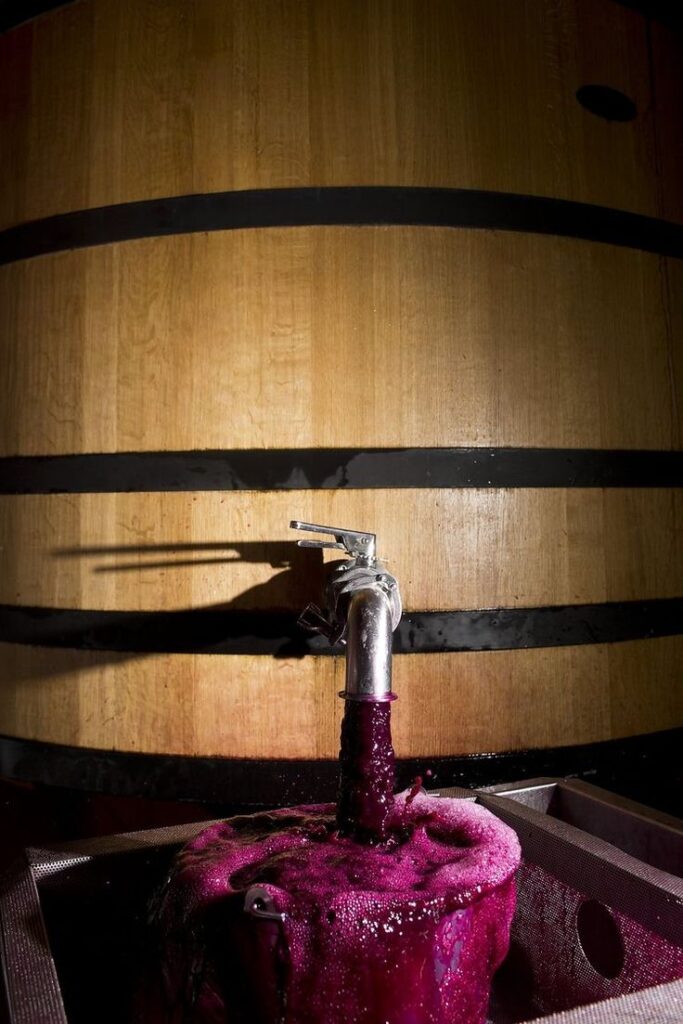
In the cellar, natural wine is not “directed” by technology, but left to ferment on its own, with the help of yeasts naturally present on the grape skins and in the cellar air. This type of spontaneous fermentation gives a unique character to each batch, and the resulting wine becomes an honest snapshot of a vintage. No selected yeast, no forced flavor control: just wine in its purest form.
No “adjustments” or taste correctors
In conventional winemaking, tannins, enzymes, acids or rectified concentrated must are often added to “correct” the taste. Natural wine dispenses with all these additives. We do not seek technical perfection, but the raw expressiveness of the vine. It is a gesture of sincerity and trust in what the earth offers, without aromatic makeup.
Sulphites? Yes, but only if necessary
All wines contain sulphites naturally: it is the natural result of fermentation. But natural wines don’t have any either sulfites added at allor have a minimal addition, precisely to avoid excessive oxidation. This means much lower concentrations than those found in conventional wines. For some sensitive consumers, this can make the difference between a pleasant experience and an unpleasant one.
Unfiltered, unstabilised: wine in its living form
Another common principle is the refusal of cold filtration and stabilization treatments. This leaves the wine with small suspended particles, sediment or even a slightly cloudy appearance. Far from being a flaw, all this shows that the wine is alive, full of energy, with everything that the raw material meant.
The label doesn’t say everything, but it can give some clues
When a wine is truly natural, you will rarely find this direct statement on the label. Yet, you can spot subtle clues. Words like “unfiltered”, “without added sulphites”, “spontaneous fermentation” OR “artisanal wine” they often betray a philosophy close to the natural.
Wineries that work with respect for terroir tend to be transparent, even if they don’t aggressively promote the idea of ”natural.” At Crama Gîrboiu, for example, some wines are vinified without filtration or stabilization, precisely to preserve the purity of the varieties and the imprint of the Cotești region. Not because it’s a trend, but because nature already has everything it needs.
5 clear signs that you have a natural wine in your glass
- Cloudy or sedimented appearance – the most visible sign. If you see suspended particles or slight cloudiness, the wine may not have been filtered at all. It’s not that it’s flawed, it’s that it’s honest.
- Unusual aromas – Natural wines have personality: sometimes they smell of yeast, cider, bread, leather or even yogurt. They are notes created by free and uncontrolled fermentation. Some call it “funk”, but for courageous tasters it can become the height of charm.
- Nervous structure, fresh acidity – without adjustments or corrections, natural wine retains its natural acidity and unpolished tannins. It is a direct, tonic style, with an energy that can be felt in every sip.
- Unpredictable behavior – open the bottle and have an experience. You come back in an hour and the wine seems different. It changes, breathes, evolves. Sometimes it happens for the better, sometimes surprisingly. This means a living wine.
- Reaction to temperature or light – natural wine being unstable can react visibly if left in the cold or heat. He becomes restless, agitated, takes on unexpected notes. That’s why it deserves to be treated with care and drunk with an open mind.
How do you serve and store natural wine?
Natural wine is a capricious companion. It requires attention but restores authenticity. The ideal is to store it in a cool, dark place and at a constant temperature. Love stillness, not fluctuations.
When opening, give it time to breathe. Many natural wines decant, not because they are heavy, but because they need air to express themselves. Don’t rush. The first 10 minutes are rarely decisive. Sometimes a natural wine shows its true colors after an hour or even the next day.
Natural wines in Romania – between pioneering and promising
The Romanian market is starting to know and appreciate natural wines. There are small wineries experimenting with unfiltered, sulfite-free, spontaneously fermented batches. And the public is increasingly open.
THE Gîrboiu wineryour winemaking style is not dictated by trends, but by the profound respect for the vineyard and the terroir. We believe that the naturalness of a wine starts from the rows, where we practice minimally invasive methods. We simply don’t use chemical fertilizers natural means of nourishing the soiland the work in the vineyard – from pruning to rationing production – is done by hand, with attention to each sapling.
In the cellar our wines are in no hurry. Let’s give them the time and peace of mind to evolve naturally, below the careful supervision of the team of winemakerswithout forcing the aromatic expression. We do not intervene more than necessary. We are essentially custodians of good winenot a director who imposes the script on him. We let the wine tell the story of the land it comes from – and when the story is honest, it doesn’t need fireworks.
What is important to remember?
Natural wine does not come with the promise of perfection, but with the promise of sincerity. It’s a winemaking style that requires trust, curiosity and openness. Sometimes it will pleasantly surprise you, sometimes it will test you, but in this controlled unpredictability lies its charm.
A natural wine it is not always a wine for all tastes. It can be acidic, cloudy, rustic or intensely aromatic. It may seem incomplete or “unfinished” if you are used to polished, filtered, industrially calibrated wines. But that doesn’t mean it’s a weak wine. It just means he speaks a different language. And just like art, some forms of expression take time, practice and disposition.
Natural wine does not necessarily mean good wine — but it is an honest wine, without masks. It is the wine that leaves the hand of man and reaches the glass without deviations, without standard recipes, without the intention of surprising, but with the desire to communicate.
Even if you don’t like it at first, It’s worth meeting him at least once. For the authentic experience, for the different palette of tastes, for the story behind it. Sometimes you will come across a magic bottle. Other times you will simply understand that you have a preference. But in any case you will learn something: about wine, about terroir and maybe even about yourself.
Natural wine is not a trend, but a form of respect – for the land, for the vineyard and for those who drink it. It is an invitation to discovery, patience, curiosity. You don’t just drink it with your taste buds, but with everything you know and feel.
latest posts published

Tired of working in the garden? What can be done to reduce maintenance
How to successfully transplant a Christmas tree

Landscaping a new plot: where to start?

What grows in clay: This is what worked on Juste’s farm
Organic seeds: are they worth paying more for?
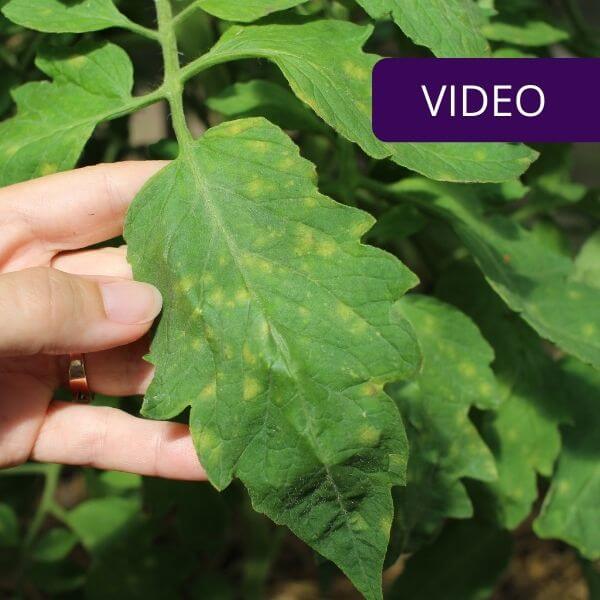
Preventive spraying of tomatoes with homemade remedies –
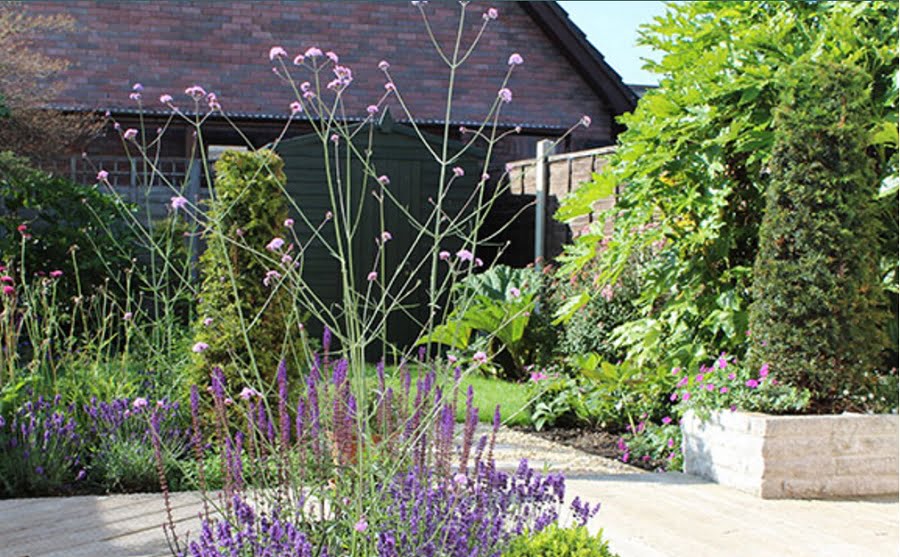
Environmental management: how to renovate a bored plot?
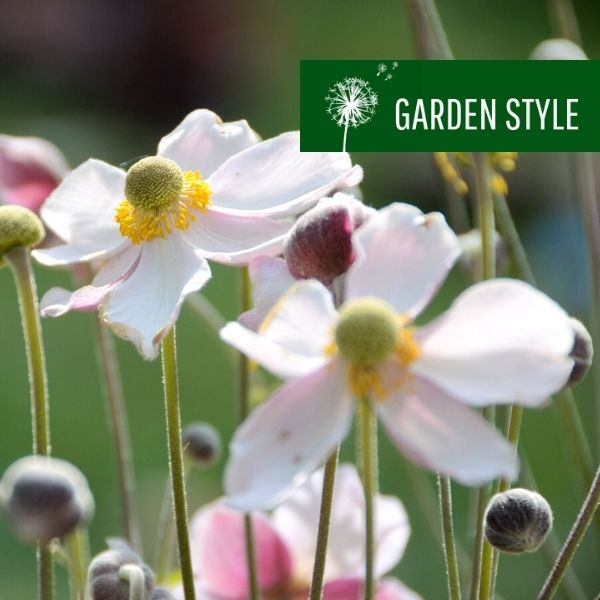
Designers answer what are the 3 best plants for the garden
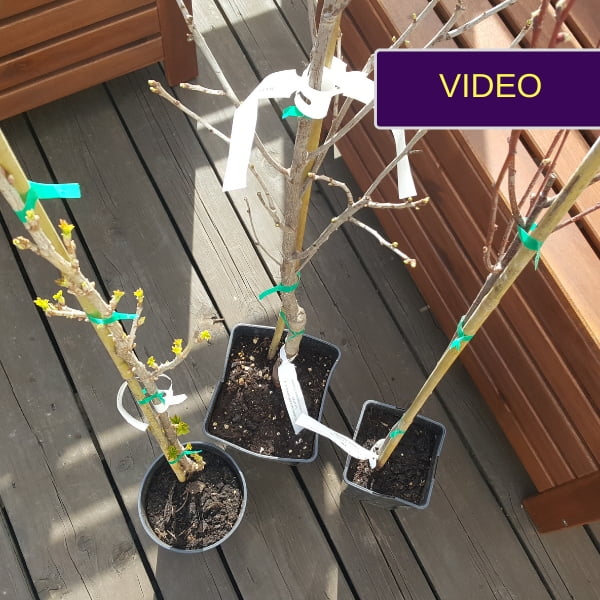
Fruit trees online: how I ordered them and how I planted them