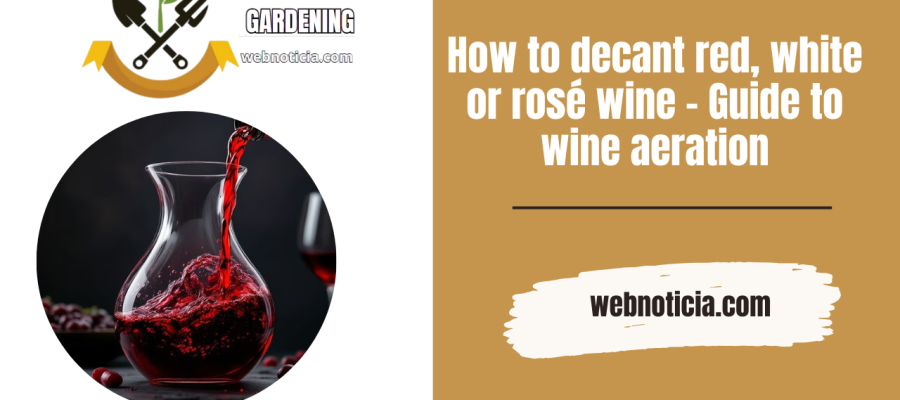
This guide will walk you through the essential steps of decanting and aerating wine, from basic techniques to advanced tips for connoisseurs.
Discover the refined art of red wine decanting and turn every tasting into a memorable experience.
What is wine decanting and why aeration is necessary especially for red wine
Decanting wine is a crucial step for lovers of quality wine. This process involves carefully pouring the wine into a special container called a decanter before serving.
The main purpose is twofold: to separate the wine from any sediment and expose it to the air to allow it to “breathe” and develop its aromas.
This technique is particularly useful for aged red wines, which can form natural deposits over time, but also for young, tannic ones, which benefit from contact with oxygen.
With decanting, unwanted aromas are attenuated, notes of fruit and spices are highlighted and the structure of the wine becomes softer upon tasting.
The duration of the process varies depending on the type of wine: red wines are decanted from 20 minutes to 2 hours. Furthermore, through decanting, the wine also reveals its beautiful color, adding a visual dimension to the tasting experience.
For white and rosé winesa short period of aeration of up to 30 minutes may be helpful.
This is important to note not all wines need decanting. Sparkling wines and some very delicate white wines can lose their qualities through this process. Furthermore, young and light wines such as Pinot Noir or Chianti do not always require this treatment.
Now that we understand the importance of decanting, let’s explore how to properly use a decanter to get the best results from your favorite wine.
How to properly use a red wine decanter
To properly use a red wine decanter, follow these essential steps:
- The preparation: The day before, place the bottle in a vertical position to allow the sediments to settle at the base. Once ready, open the bottle carefully, avoiding shaking it.
- pouring: Tilt the bottle at approximately 45 degrees and gently pour the wine onto the wall of the decanter, forming a thin film. This allows for efficient oxygenation. Stop when you notice the sediment approaching the neck of the bottle.
- Ventilation: Allow the wine to breathe for 30 minutes to 2 hours, depending on the variety and age. Young wines usually take less time, while old wines can take up to 2 hours to reveal their complex flavors.
- MONITORING: Periodically check the smell and taste of the wine to determine the optimal time to serve. Some robust wines, such as Barolo or Cabernet Sauvignon, may require more time to fully reveal their aromatic potential.
- SERVE: When the wine is ready, carefully pour it from the decanter into the glasses, avoiding excessive agitation to preserve the developed flavors.
Choosing the right decanter is also important. For full-bodied wines, a wide-based decanter facilitates better aeration. For more delicate wines, such as Pinot Noir, a decanter with a narrower base may be more suitable.
The temperature of the decanting room must not exceed 20°C and the decanter must not be exposed to direct sunlight. These conditions help preserve the optimal characteristics of the wine during aeration.
With this knowledge of proper decanter use, let’s explore the various types available and how to choose the perfect model for your wine collection.
Types of decanters and how to choose the right model
There are numerous decanters available on the market, each designed to enhance the wine tasting experience. Here are the main types and how to choose the right model for you:
1. Wide Base Decanter: Ideal for tannic and full-bodied red wines, such as Cabernet Sauvignon or Bordeaux. The wide base allows for more efficient aeration, helping to develop flavors and tame tannins.
2. Narrow Neck Decanter: Suitable for more delicate wines such as Pinot Noir. The narrow neck limits exposure to oxygen, preserving delicate flavors.
3. U-shaped or swan-shaped decanter: These elegant models offer optimal aeration and are great for young wines that require rapid oxygenation.
When choosing a decanter, consider:
– The type of wine you frequently consume: For robust red wines, choose a wide-based decanter. For white or rosé wines, opt for a model with a narrow neck.
– Frequency of use: If you will use the decanter often, choose a model that is easy to clean and has a wide opening.
– The material: Crystal offers superior optical clarity, but is more fragile. Glass is more durable and easier to maintain.
– capacity: Make sure the decanter can hold a standard bottle of wine (750ml) with enough space for aeration.
– Aesthetics: Choose a model that matches your style and will amaze guests when you use it.
A quality decanter can significantly improve your wine tasting experience, allowing it to reveal its full aromatic potential.
Constantin 60 Cabernet Sauvignon – An excellent example of a dry red wine that can benefit from the decanting process. We recommend aerating about 60 minutes before serving to fully reveal its complex flavors.
While decanters are the classic tool for aerating wine, there are modern alternatives worth exploring. Let’s see how the wine aerator compares to traditional decanting methods.
Alternatives to Decanting – The Wine Aerator
For wine lovers looking for a faster way to aerate wine, the aerator is an interesting alternative to traditional decanting.
This ingenious device offers an effective solution for improving the flavor and texture of wine in a much shorter time.
A wine aerator is a compact accessory that attaches to the neck of the bottle or is held over the glass while you pour wine. Through its multiple holes and channel system, the aerator quickly exposes wine to oxygen, speeding up the aeration process and allowing flavors to develop almost instantly.
The benefits of using an aerator include speed (aerates wine in seconds), portability, versatility (can be used for a wide range of wines), and space saving.
It is particularly useful for young, tannic wines that require rapid aeration or in situations where time does not allow long decanting.
While aerating is effective for many wines, some old, delicate varieties may benefit more from traditional, slow decanting. When choosing an aerator, look for a model made with quality materials, easy to clean and compatible with different types of bottles.
Whether you opt for traditional decanting or a modern aerator, the following section will provide practical advice for getting the best results from aerating your red wine.
Common mistakes in wine aeration
Excessive aeration of wine is one of the most common mistakes found.
Sometimes we want to make sure the wine is well aerated and that its flavors are fully developed.
However, excessive aeration can cause the wine to lose its delicate aromas. This can negatively impact the tasting experience as the wine can become flat and lack complexity. It is important to pay attention to this aspect.
Another common mistake is failing to aerate old wines. Old wines, especially reds, develop complex flavors over time and may need aeration to reveal their full range of flavors.
By skipping this step, you may miss out on a less-than-optimal tasting experience and not fully appreciate the potential of the old wine.
Using the wrong decanter can result in insufficient or excessive aeration of the wine, which can negatively impact its aromas and taste.
Ignoring the type of wine is another common mistake, as not all wines require aeration. For example, many young white and red wines can be served directly from the bottle without being aerated first. It is important to know each type of wine and decide whether or not it requires aeration.
Practical advice for decanting red wine
To get the best results when decanting red wine, follow these essential tips:
- Prepare the wine keeping the bottle in an upright position the day before decanting to allow the sediment to settle.
- Choose the right decanter: for young and tannic wines use the one with a wide base; for more delicate or mature wines opt for a decanter with a narrower bottom.
- Pour the wine slowly, tilting the bottle at an angle of approximately 45 degrees and forming a thin film on the wall of the decanter.
- Adjust the aeration time according to the wine: From 30 minutes to 2 hours for young wines, 15-30 minutes for mature wines and up to 3-4 hours for very aged wines.
- Monitor the process periodically checking the aroma and taste of the wine to determine the optimal time to serve.
For national varieties such as Feteasca Neagră, it is recommended to serve at a temperature of 16-18 degrees centigrade, with decanting for approximately 30 minutes beforehand.
This helps to filter natural sediments and optimally develop the characteristic aromas.
By applying these tips, you will maximize the benefits of decanting red wine, allowing it to reveal its full aromatic and flavor potential.
Conclusion: the art of wine decanting
Red wine decanting is more than just a technique; it is an art that combines science with a passion for wine.
By understanding the process, choosing the right tools and applying practical tips, you can transform every bottle of wine into a special sensory experience.
Whether you opt for the traditional method with an elegant decanter or the speed of a modern aerator, the goal remains the same: to allow the wine to reveal all its complexity and beauty.
Experiment with different techniques and types of wine to hone your tasting skills and get the most out of every glass of red wine.
Enjoy the best red wines with rich aromas and velvety texture, perfect for any special occasion. Through constant practice and attention to detail, you will become a true expert in the art of decanting, capable of bringing out the most subtle nuances and aromas in every bottle of wine. If you want to know more about Romanian wines, we recommend discovering the history and characteristics of Feteasca Neagră, an indigenous variety that requires decanting to reveal its full potential.
latest posts published
Tired of working in the garden? What can be done to reduce maintenance
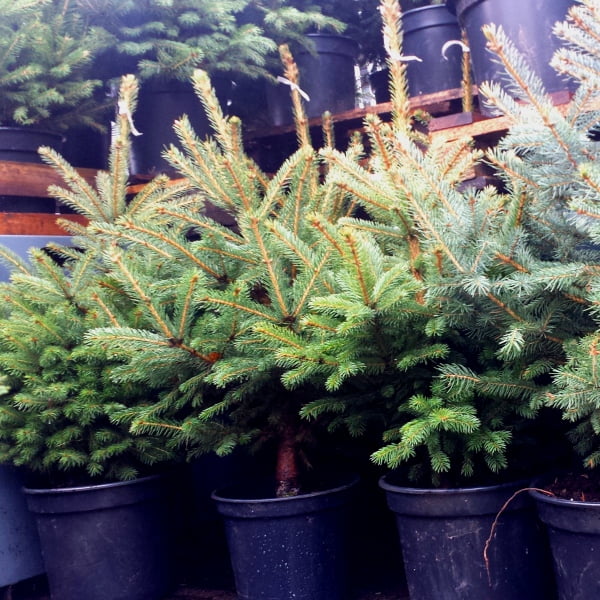
How to successfully transplant a Christmas tree
Landscaping a new plot: where to start?

What grows in clay: This is what worked on Juste’s farm
Organic seeds: are they worth paying more for?
Preventive spraying of tomatoes with homemade remedies –
Environmental management: how to renovate a bored plot?
Designers answer what are the 3 best plants for the garden
Fruit trees online: how I ordered them and how I planted them