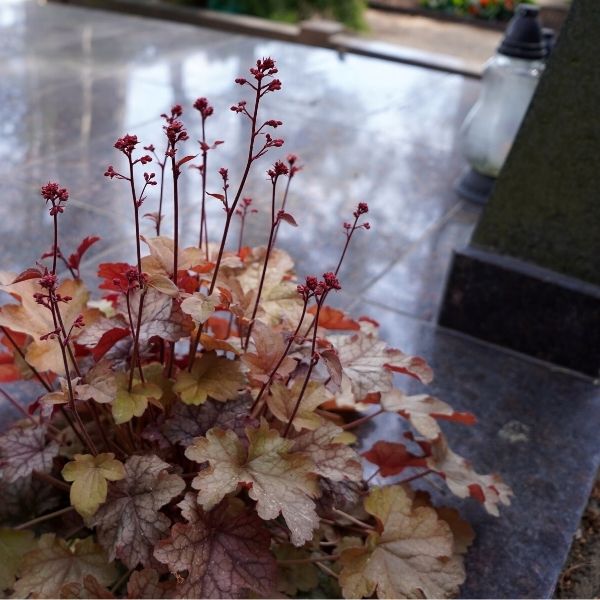
And also mowing the lawn, picking overgrown flowers, watering potted flowers, weeding out weeds… Is it possible to do it in such a way that it should low maintenancebut wouldn’t the aesthetic vision of the construction site be affected? In fact, here are some specific suggestions, how you can transform your garden.
AVOID ROUNDING PLANTS
Learn from professional growers: the flower has been sick for two years – in the third it already comes out and gives way to a more resistant one. This means that if you don’t have time, you don’t play with special varieties of roses that you have to constantly jump between. This means that other plants that require special care are not grown: covering for the winter, strong tendency to fungal diseases, need for abundant watering or fertilization, etc.

If you have such demanding plants, replace them with undemanding and resistant plants. Ask specialized agricultural companies and they will certainly advise you on what to pay attention to. See what grows well with your neighbors – you have similar conditions. Take a cue from traditional Lithuanian flower nurseries: in ancient times, housewives really didn’t have time to sit around plants, so they usually chose undemanding and hardy ones. These are white-headed (called daisies), brooms, cauldrons, fireflies, shears, ferns, smidril, bluebells and others.
2. CHOOSE PLANTS BASED ON EXISTING CONDITIONS
How to choose plants for the success of the “Low Maintenance” plan? You don’t have to start with the plant, but from existing conditions. If it is a sunny place, do not grow shade-loving plants there, because you will need constant watering and some will need to be shaded from the sun so that they do not “burn” in early spring. If there is shade, do not grow plants that need sun there, because they will be constantly poor and will be attacked by diseases. This means that you need to carefully analyze what the conditions are in a certain place: soil (sand, loam, clay), acidity, sunlight, prevailing winds. Only then choose plants that love these conditions.
For example, the usual sequence: You want rhododendrons, then you buy acid peat, you dig the hole deeper, you buy rhododendrons, and then sometimes you buy special acidifying additives.
Suggested sequence: You know your soil isn’t acidic, so you don’t buy a rhododendron and plant another flowering shrub that will grow just fine. This means that you may have to give up some plants that are not suitable for your plot, but don’t despair, because you will surely find some interesting alternatives.
If you grow perennials selected for the current situation, resistant to diseases, they will grow naturally, without much attention, which means less maintenance. The naturalistic direction of planting is based on this principle, and its representatives state that in this case maintenance may be all that is needed just 10 minutes per square meter per year – that is, at the beginning of spring, when it is necessary to cut the above-ground part of herbaceous perennial plants. These figures are not only valid for the first two years, as the plants must be looked after carefully until they are fully established.
3. PROVIDE THE LAWN IN AN OPTIMAL WAY
The lawn takes a long time, often requires more resources than even the garden (we calculate the time per square meter). Lawns require attention from early spring until autumn, when the leaves fall. Even in winter you have to try not to step on it and not to let mountains of salt-strewn snow fall.
Since we cannot imagine a Lithuanian courtyard without a lawn, it is necessary to make its area optimal. First, where you don’t walk, you don’t need to leave the lawn. In a shaded corner, don’t fight the moss anymore, just leave a path for the passage and the rest of the area plant perennials instead of lawns: astilbe, ferns, brambles, sedges, wintering ones. They won’t actually need to be mowed every week, but they will look aesthetically pleasing and interesting.
In other places where you keep the lawn just because you can’t think of anything else to do, grow carpet plants. Their choice is truly wide: from the aforementioned winter junipers, which still blooms with blue flowers, to creeping junipers, which over time cover the entire area.
4. GROUP THE PLANTS
When we say “clean lawn”, we mean keep it empty. A very effective way to do it the lawn would require less maintenancethat is, spend less time moving all the plants scattered one by one on the lawn, in a separate area for vegetation. Since you won’t have to go around each plant with the mower, cutting will be significantly easier and faster. By giving a shape to the lawn area (round, square, elliptical, etc.), it is also possible to visually increase the texture, you can find out about this in landscaping courses “My garden project“.
Where to put the plants? Off the lawn.
Let the lawn be empty, beautiful and well-shaped, and trees, shrubs and flower beds grow beyond the edge of the lawn. You will no longer need to pull grass from the undergrowth as often as the entire plant area may appear to be one large undergrowth. Mulch the soil under the plants or grow shade-loving carpet plants. One type of care is necessary for lawns, another type of care for trees and shrubs. When the two groups are not mixed, but clearly separated, maintenance is incomparably simpler and takes much less time.
5. CHOOSE WHAT WILL BE DECORATIVE
Annual flowers require a lot of time resources: you have to sow them in spring and grow them into healthy seedlings (unless you buy already grown seedlings), then you transplant them, weed out emerging weeds so they don’t overshadow them, and you have to throw them all away in autumn. Very irrational. Potted annual flowers are even more time-consuming, as you will have to constantly water and harvest the bloomed flowers. Therefore, we advise you to choose hardy perennial flowers instead of annuals. If you can, grow the flowers not in pots, but directly in the ground.
This is common spygliuočiai is the answer when you want a nice look and minimal maintenance. But keep in mind that the constantly green image, which at first glance seems like a plus, eventually starts to get boring. And then all sorts of pots with bright annuals and a lot of time spent on the environment begin. If you already have conifers in your garden, complement them with seasonal perennial flowers or herbaceous ornamentals.
A simple, easy-to-maintain solution is available ornamental shrubs. They take up a relatively large amount of space, give a certain volume and can even be grown as a curtain from the neighbors’ eyes.
Plus, bushes can be beautiful colorful leaves (e.g. jasmine ‘Aureus’ with bright yellow leaves), can be effective flourish (flexible gray ‚Grefsheim’), may have also edible fruits (medlieva, hawthorn), can impressively smell (olives, jasmine) and even be interesting in winter (such as the white dogwood ‘Sibirica Variegata’, whose branches are bright red in winter).
6. USE MODERN TOOLS
There are several conveniences that can save you time maintaining your space.
If finances allow, purchase a special one for mowing the lawn robotics. Evaluate all the pros and cons well in advance. It will certainly save time, but the area will need to be well protected from thieves. He estimates that it will cost not only the robot, but also its insurance (it’s really worth it) and frequent sharpening of the knives.
Use in the green area where you will grow trees and shrubs quality filmprotecting from weeds. Do not trust simple polyethylene films, even worse, coatings that have cracks. This will make your job even more tiring because the weeds will arrive and then you will have to eradicate the sod with the weeds together with the good plants. Quality films against weeds are already on the market, take a look at their characteristics and you will choose the right one.
Mark the boundary between the lawn and the planting area using plastic or other types of boards. Forget about corrugated tape – it wears out within a few years, gets lost and is very noticeable. Plastic borders are like a silent invisible helper, thanks to which you will not have to dig the lawn every year, climb into the flowerbed or shrub area. You install it once and forget about the work previously required.
It will not be possible not to work at all, but less time for work and more time for rest will be possible. You need to think carefully and choose the right measures to implement the “Low Maintenance” plan. Well, shall we begin the transformation?
latest posts published
Tired of working in the garden? What can be done to reduce maintenance
How to successfully transplant a Christmas tree
Landscaping a new plot: where to start?
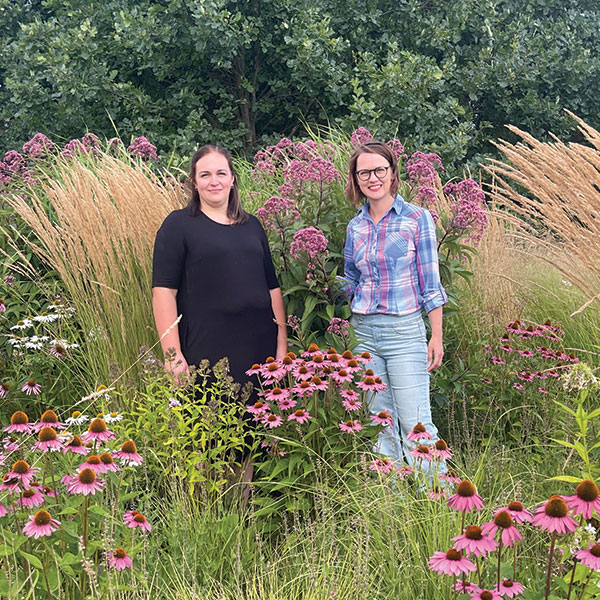
What grows in clay: This is what worked on Juste’s farm

Organic seeds: are they worth paying more for?

Preventive spraying of tomatoes with homemade remedies –
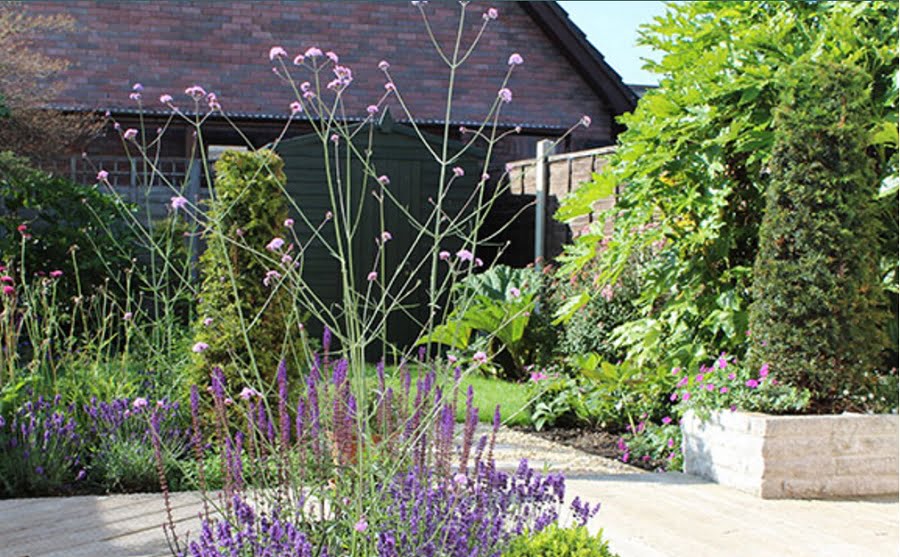
Environmental management: how to renovate a bored plot?
Designers answer what are the 3 best plants for the garden
Fruit trees online: how I ordered them and how I planted them