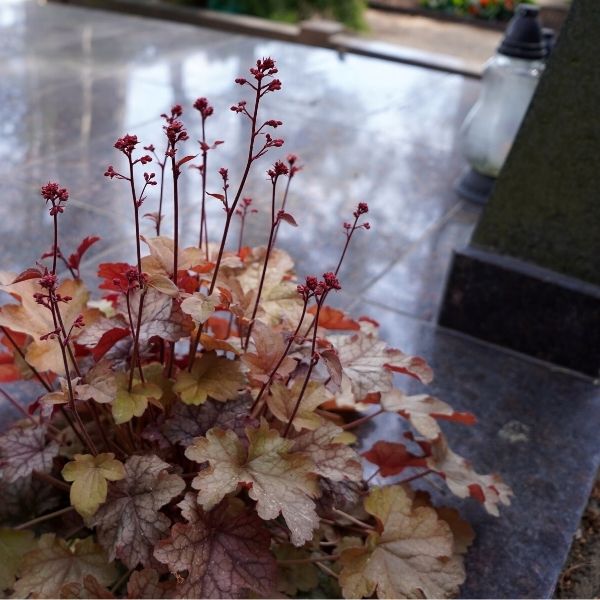
Previously beautifully planted plants have already withered or simply died, the composition of the family or way of life has changed, the perception of beauty, new fashions have come – time to renew and your backyard or farm. Environmental management start with a quiet minute considering your needs.
NEW land zoning
Start with your family’s needs: sit down on a quiet evening and discuss with your family which areas of the land are fully used, which activities have little space for them, which part of the land is not used. Don’t miss entering not only the most visible places, but also all the nooks and crannies, the dark places of the north side.
Mark everything on the plan – fully color the individual spaces in order to color the entire floor plan. Marking with colors will allow you to move away from existing smaller objects (trees, benches, greenhouse) and see your plot as if from the outside. Try to adapt the plan to suit your needs. If the children have already grown up, you can reduce the lawn for games and plant fragrant bushes (jasmine, olive trees, old roses) for quiet sessions, which will require less maintenance than the lawn. If the sandbox was fixed, the classic solution is to install a small water tank there. If there are children in the family, assign them a separate area: for the little ones near the terrace or the kitchen window, for the older ones the place can be further away, behind the pruned bushes, so that they have their own privacy. Try not to leave places without a function, without a purpose.
After having arked on the plan and colored all the areas, check if there are any colored spots on the plan proportionalor her similar lines. If the paths are winding, is the flower bed line also free and winding? If the zones are divided by light rectangles, are the paths also straight? Maintain a similar pace throughout the story. The zones and architectural solutions are the basis, they will be visible all year round, even in winter. A clear principle, equally applied to the entire plot, will not seem boring, but harmonious.
FROM CHAOS TO BALANCE
Usually, in a few years, not only plants grow, but other things also grow: here a wooden gazebo appeared, here an aviary, here a neighbor gave flowers, here there was an inexpensive flowerpot. The most important rule is maintain unity not only when planning functional zones and lines in the garden, but also when creating other environmental details.
Choosing the right things and courageously rejecting the others is a difficult task. Throw away beautiful peonies if they don’t fit into the overall picture – yes, you may need to. Changing a fence that is still in good condition – yes, if you are really determined to change. To create a harmonious image, you need to choose materials, shapes and colors that will be repeated throughout the plot. If you choose a styleit will be easier to understand and not get lost. For example, in a country-style farmhouse, install wooden fences and use similar wood for railings, shutters and pergolas. If a modern home uses a lot of glass and metal, replicate these materials in the environment. Only the color of the facade of the plastered house, which appears on the bench, on the retaining wall and in the flowers of the flowerbed, will give that unifying element that unites the whole.
HARMONY IN THE FLOWER
Likewise with plants: if the eye covers many plants of different colors, shapes and structures, which are not in harmony with each other, there is no harmonious picture, environmental management does not bring order. In modern landscaping courses “Yellow Wheelbarrow” it is said that only 5 or 7 varieties of flowers are enough to create a beautiful flower garden. It seems unexpected, but it’s a surefire solution to avoid chaos.
Choose different plants, that you like and that have already worked in your plot like beautiful and undemanding. Let them be the base, plant them in larger groups in different places in the soil. For example, if you like shades of blue, you can choose sage (Salvia nemorosa), catnip (Nepeta), honeysuckle (Perovskia) as the main plant. Plant more than one at a time so that all the beauty is revealed in full force. If you choose main plants that seem to grow well on their own in your plot, immediately reduce the time needed for maintenance.
Other plants will complement the main ones or simply flower at a different time. For example, the above blue-flowered plants can be diluted with light yellow color or revived with lilac, but bright red flowers will no longer be suitable here.
latest posts published
Tired of working in the garden? What can be done to reduce maintenance
How to successfully transplant a Christmas tree
Landscaping a new plot: where to start?
What grows in clay: This is what worked on Juste’s farm

Organic seeds: are they worth paying more for?

Preventive spraying of tomatoes with homemade remedies –
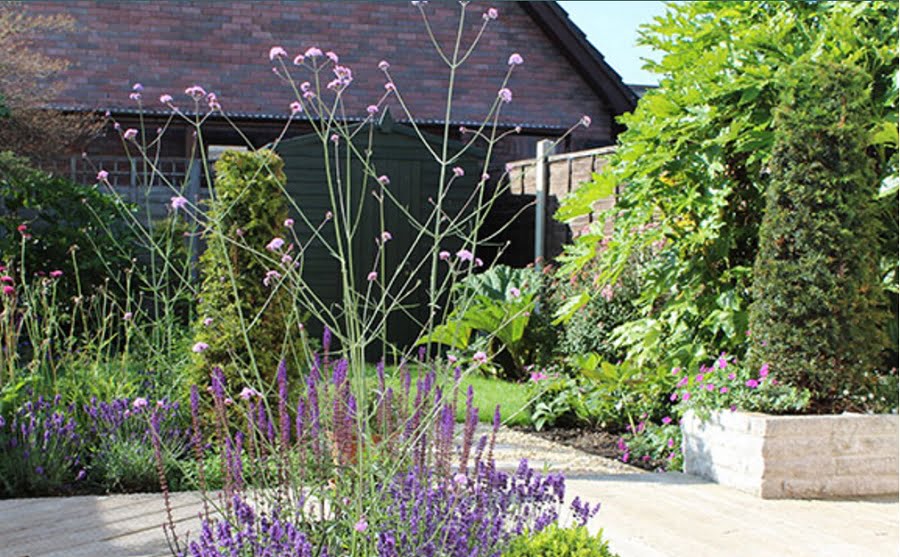
Environmental management: how to renovate a bored plot?
Designers answer what are the 3 best plants for the garden
Fruit trees online: how I ordered them and how I planted them