You can specially prepare tulips for planting, or you can do nothing – just plant them in the ground and that’s it. In this article I will tell you specifically when and what to do. So let’s go in order
1. Inspect and select bulbs
To properly prepare tulips for planting, you must first carefully inspect all the bulbs.
• Healthy bulbs must be firm, dry, free of stains or mold. You can plant them right away.
• If the bulbs are a little “tired”, with brown spots or soft, they need to be disinfected.
In my life, it usually happens that I buy bulbs in late autumn during promotions – it’s really not too late to plant even in November or December. It is understood that bulbs that have been on the shelves for several months should be prepared further. This will help you avoid rot and fungal infections and ensure that your tulips bloom strong and healthy in spring.
2. Prepare a solution of potassium permanganate
If you are wondering how to prepare tulips for planting and protect them from diseases, potassium permanganate is a simple but effective solution – you will definitely find it in your home medicine cabinet. This natural disinfectant kills bacteria and fungal spores that can damage bulbs.
Prepare the solution as follows:
1. Add water to the container.
2. Add a few crystals of potassium permanganate, enough to give the water a light purple hue.
3. If the color is bright, add more water. The solution should be pale pink, not concentrated.
Tip: Too strong a solution can burn your bulbs, so it’s better to use a less strong solution than one that’s too strong.
3. Immerse the bulbs
In order for tulips to be healthy, the bulbs should be soaked in a solution of potassium permanganate. This is one of the most important steps when it comes to preparing tulips for planting:
• Soak the bulbs for about 15 minutes.
• Let it dry a little and you can plant.
This simple step kills pathogens and reduces the risk of rot.
4. Other popular ways to prepare tulips for planting
There are other natural ways to prepare tulips even better for planting and protect the bulbs from diseases and pests:
- Rolling in wood ash: The ash acts as a natural disinfectant and a protective barrier against rot. I use this method when the bulbs have obvious rot damage – they can be cut with a sharp knife and I make sure to roll the area in ash.
- Rolling in chili powder: Repels rodents that like to store winter supplies underground. If you don’t have this problem, that’s fine. But if your tulips are already affected by field mice, try this method. People say the losses are less – I haven’t experienced this personally, I hope that’s the case.
These folk tricks go well with potassium permanganate solution: after soaking, the bulbs can be rolled up and planted immediately.
5. When and how to plant tulips
If you already know how to prepare tulips for planting, all that remains is to plant them correctly. The right time is when the ground has already cooled, but is not yet frozen. Previously we recommended September, now with the warm weather we plan to do it in October or November.
• Planting depth – three times the height of the bulb.
• The soil must be loose, not waterlogged.
• After planting, you can cover with mulch or compost: this will protect against frost and changes in humidity (optional).
Summary
Once you know how to prepare tulips for planting, success is guaranteed. If your bulbs are looking miserable, it may help to soak them in a potassium permanganate solution for just 15 minutes. If necessary, add ash or chili powder as natural and effective solutions to keep tulip blooms healthy.
These suggestions also apply to other bulbous flowers: daffodils, crocuses, bluebells, scillas, decorative garlic.
Sponsored Content.
RELATED COURSES:
“Plant composition laboratory” – in them you will learn to create a harmonious composition, in which trees, bushes and decorative plants will be coordinated according to the laws of design.
“Color matching in the courtyard” – these are distance courses for those who want to learn how to create harmonious combinations of plants in their garden. The most famous garden designers rely on certain rules, thanks to which they “control” the colors. In this course we will introduce you to basic information about colors and their combination, which you can apply when creating your own flower gardens.
latest posts published

Tired of working in the garden? What can be done to reduce maintenance
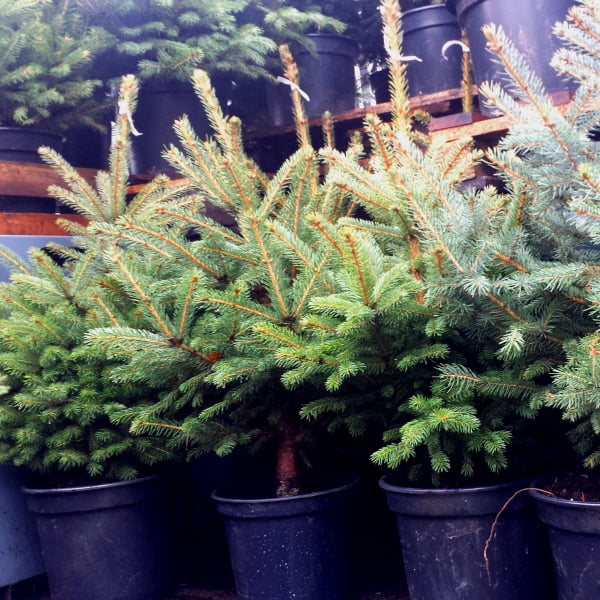
How to successfully transplant a Christmas tree

Landscaping a new plot: where to start?

What grows in clay: This is what worked on Juste’s farm

Organic seeds: are they worth paying more for?

Preventive spraying of tomatoes with homemade remedies –
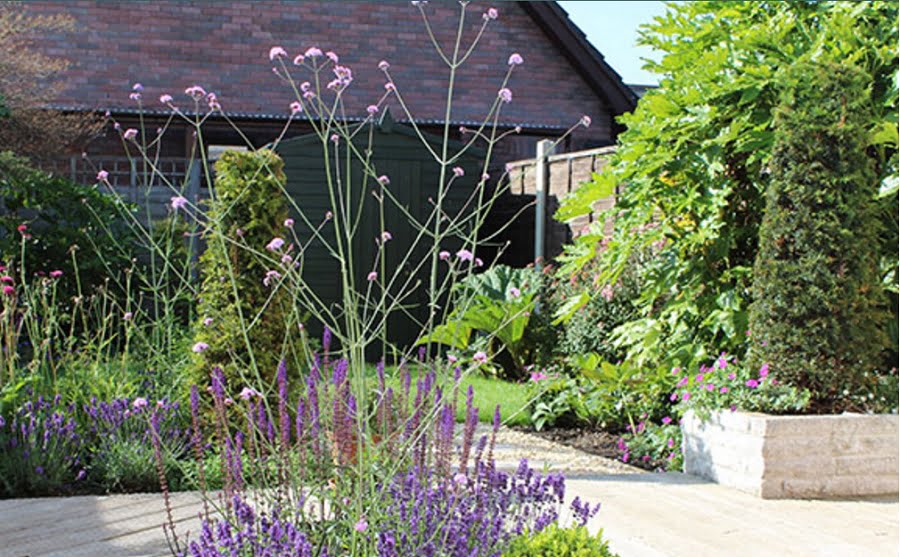
Environmental management: how to renovate a bored plot?
Designers answer what are the 3 best plants for the garden
Fruit trees online: how I ordered them and how I planted them