THE garden maintenance it is an activity that requires dedication, knowledge and attention to detail. Those who are privileged to own a garden know how essential and satisfying it is to maintain it. A well-kept garden not only offers a sense of tranquility and beauty, but is also a place of relaxation and serenity for those who use it.
In this article, we will guide you through the best practices for garden care, explaining what work is necessary depending on the different seasons.
Garden maintenance: what it is and why it is important
THE care of the gardens refers to the set of operations carried out regularly for maintain the health, aesthetics and structure of your green space. This can be divided into two categories: ordinary and extraordinary maintenance.
THE ordinary maintenance of the garden includes common and simpler tasks, such as:
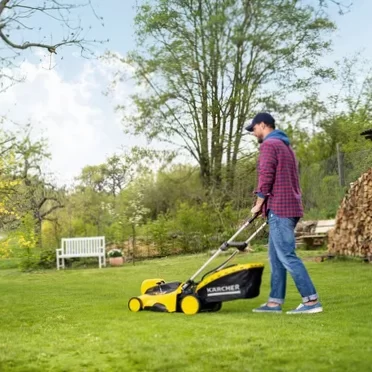
- grass cutting;
- removal of weeds;
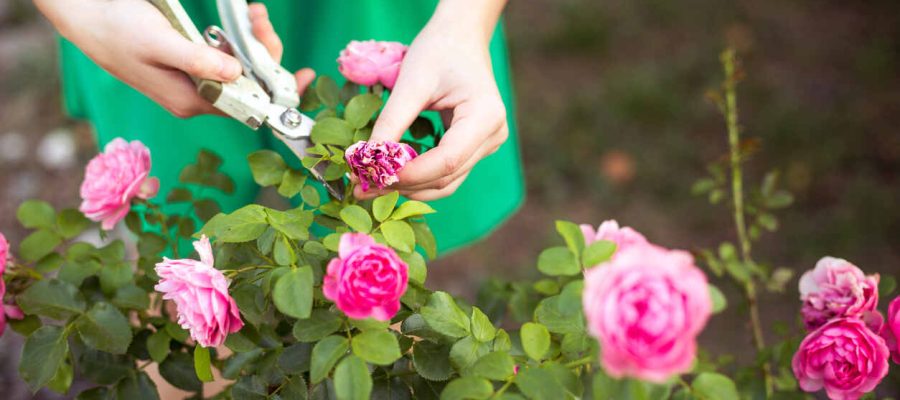
- pruning of plants, shrubs and hedges;
- soil fertilization;
- monitoring and regulation of the irrigation system;
- cleaning and sweeping of floors, paths and other elements;
- collection and disposal of leaves and plant waste.
On the other hand, the extraordinary maintenance of the garden covers more complex and less frequent jobs, such as:
- lawn regeneration;
- tree removal or planting;
- precision or safety pruning for large trees;
- design or replacement of irrigation systems;
- creation or restoration of architectural or decorative elements (such as fountains, ponds, pergolas, etc.);
- managing problems such as pest attacks.
These activities can be carried out independently or delegated to professionals in the sector, depending on their skills, the time available, the size and complexity of the garden.
Why is it important to maintain gardens?
Taking care of your green space is essential for various reasons, let’s see which ones:
- maintains the aesthetic and functional value of the green space;
- ensures the well-being of plants and other living organisms present in the garden;
- contributes to respect for the environment and the territory;
- offers tax advantages, as we will see later in the article.
How to take care of the garden: some tips
Good planning and organization is essential to effectively carry out garden maintenance. Here are some fundamental rules for optimal green care:
Establish an annual schedule for different activities. For example, it is possible to cut the grass on a weekly or biweekly basis, fertilize the soil monthly or bimonthly, and prune the trees every six months or annually.
Use specific and suitable tools and products for each type of intervention.
Comply with current regulations regarding safety, hygiene and environmental protection. This includes wearing suitable clothing and personal protection for each task, disposing of plant waste correctly (through home composting or taking it to designated centres), and avoiding noise and air pollution.
Garden maintenance: when to carry it out
Each season has its own climatic and botanical peculiarities that influence the needs of the plants and the work to be done in the garden. Here are some seasonal guidelines:
Garden Care in Spring
When spring arrives, it is essential to remove weeds by hand, prune the plants to cut the damaged parts and promote flowering, clean the garden of moss that hinders the plants’ breathing, arrange the garden furniture outdoors after having cleaned and repaired it, and adapt the irrigation to the climatic conditions and the needs of the plants.
Garden care in summer
During the summer months, it is necessary to cut the grass regularly but without excessively, water the plants according to their needs and the climate, use natural or organic fertilizers, remove weeds that could damage the cultivated plants, prune the plants to maintain their shape and stimulate flowering and fruiting, and protect the more delicate plants from excessive heat and diseases with covers or natural remedies.
Garden Care in Autumn
In autumn, you should clear the garden of fallen leaves, aerate the lawn to improve air and water circulation in the soil, seed or renew the lawn, plant new bulbous or bare-root plants for spring or summer blooms, and protect more delicate plants from the cold with covers or moveable pots.
Garden Care in Winter
For good winter maintenance, it is recommended to water the garden only when the soil is dry and in the hottest hours, fertilize the soil with slow release products in preparation for spring, prune fruit trees to remove superfluous or damaged branches and improve the quality of the fruit, and clean the garden of plant residues and waste that can accumulate and damage the plants.
Garden maintenance: costs and deductions
The price for garden maintenance it changes depending on various factors, such as the size of the green area, the characteristics of the lawn, the type of work necessary, their frequency and the level of experience of the chosen gardener.
Generally, for ordinary maintenance, which includes activities such as cutting the grass, pruning the plants and cleaning the garden, the average hourly cost is between 25 and 35 euros. For more complex and occasional interventions, such as the removal or planting of trees, the renewal of the lawn or the design and replacement of irrigation systems, prices can vary significantly, oscillating between 70 and 600 euros.
Furthermore, those who dedicate themselves to garden care can take advantage of some tax breaks established by current legislation. The most relevant are:
The Irpef tax deduction of 36% on expenses incurred for redevelopment works on the building stock, which also include greenery interventions. This deduction is applicable on a maximum expense of 48,000 euros for each real estate unit and must be divided into 10 annual installments. To obtain this deduction, it is necessary to make the payment by bank or postal transfer, specifying in the reason for payment the details of the intervention, the cadastral data of the property and the tax code of the beneficiary.
The application of VAT reduced to 10% on gardening services provided by professionals in the sector. This tax advantage is valid only if the works are aimed at building restoration or environmental conservation
latest posts published
Tired of working in the garden? What can be done to reduce maintenance
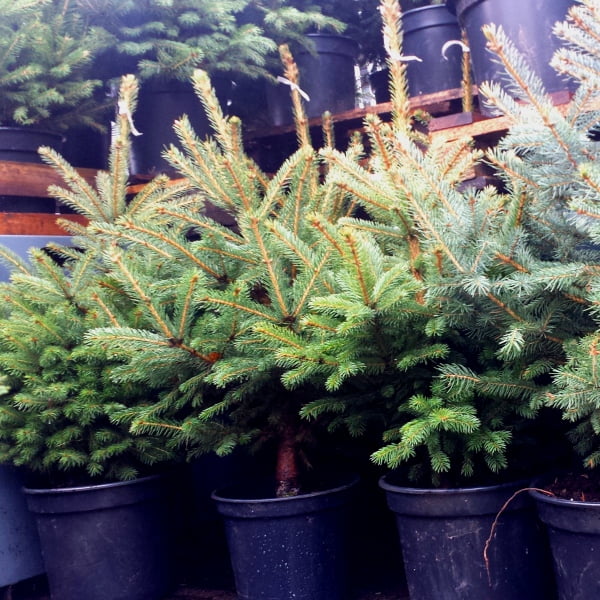
How to successfully transplant a Christmas tree
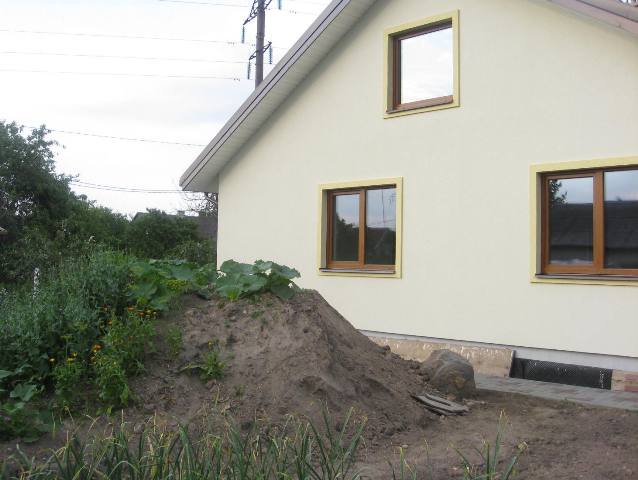
Landscaping a new plot: where to start?
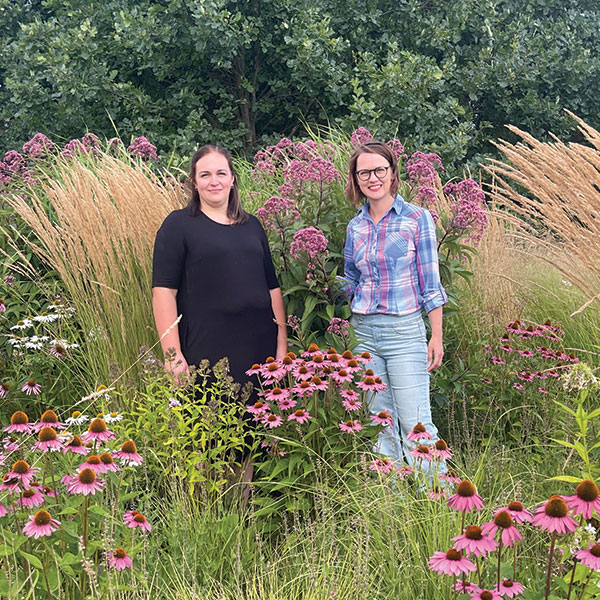
What grows in clay: This is what worked on Juste’s farm

Organic seeds: are they worth paying more for?
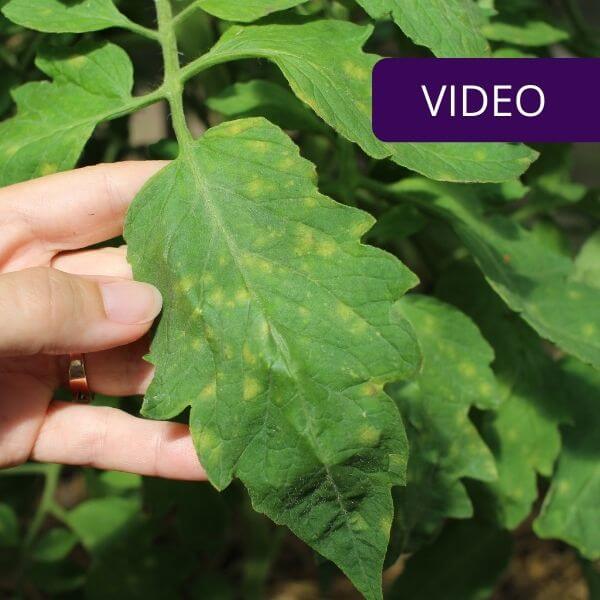
Preventive spraying of tomatoes with homemade remedies –
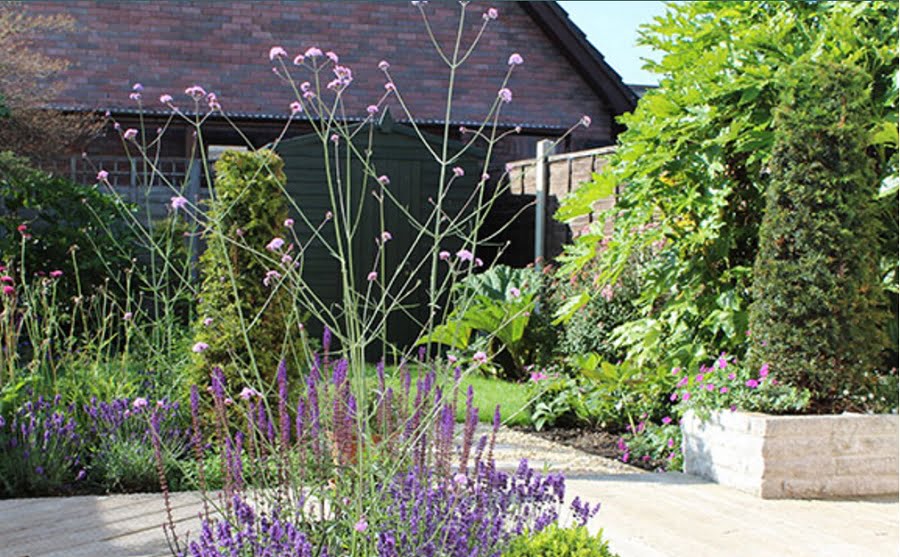
Environmental management: how to renovate a bored plot?
Designers answer what are the 3 best plants for the garden
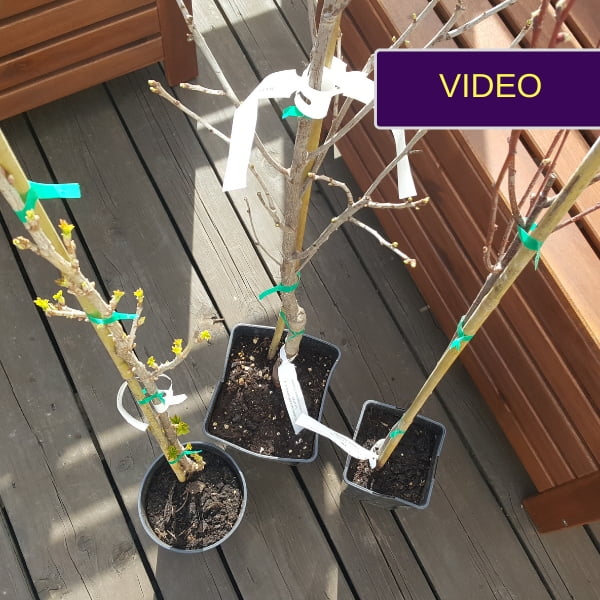
Fruit trees online: how I ordered them and how I planted them