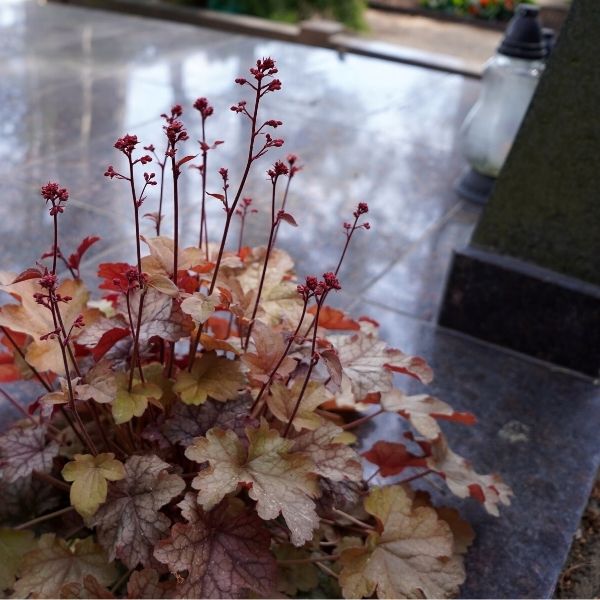
Imagine walking through a lush garden. The trees sway gently in the wind, the flowers exude their intoxicating scent and the grasses dance gracefully in the sunshine. But as you explore more closely, you may notice something unusual: wilted leaves, dark spots and stunted growth. It could be that your green oasis is fighting an invisible battle against plant bacteria.
“Plant bacteria,” although tiny, can have a devastating impact on the health of your plants. These microorganisms can cause a variety of bacterial plant diseases, threatening the vitality of your garden. But don’t worry, because knowing the symptoms and remedies can bring back splendor and vitality to your beloved plants. So let’s delve into the mysterious world of plant bacteria to discover what diseases they can cause and, above all, how we can defeat them.
Bacterial plant diseases: a silent enemy
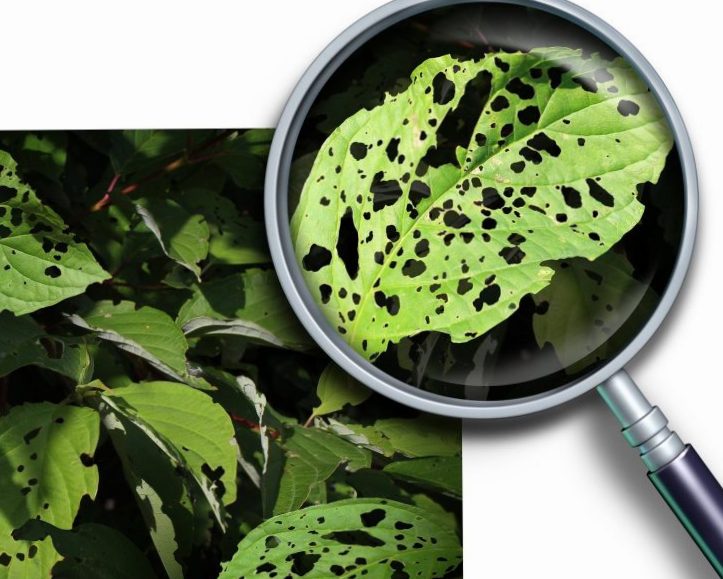
Bacterial plant diseases are insidious. Unlike parasites that you can see with the naked eye, bacteria are invisible, working in the shadows and often only showing up when the damage has been done. Symptoms can vary greatly: yellowing leaves, dark spots, bowing stems, and even plant death can indicate a bacterial infection. This is a reminder to pay attention to the signals that plants send, because early diagnosis is essential to limit damage.
How do bacteria spread in plants?
The spread of bacteria in plants occurs through different vectors. It can be the wind carrying them, an insect grazing from plant to plant, or even gardening tools that are not properly sterilized. When the bacteria find an entry point, such as a small wound, they establish themselves within the plant tissue and begin to multiply. And that’s when the problems begin.
The most common symptoms of bacterial infections
Knowing the warning signs is the first step in safeguarding your plants. Symptoms of a bacterial infection can vary depending on the pathogen involved:
- Leaf spots: The leaves may have black, brown or yellow spots. These spots often grow and can merge together.
- Cancer: Stems or branches may show dark, sunken lesions, known as cankers, that may dry up and die.
- Soft rot: Some bacteria cause root or collar rot, resulting in soft, slipping tissue.
- General yellowing: Infected plants may lose their bright green color and generally appear wilted and weak.
Recognizing these symptoms at an early stage can make the difference between a plant that survives and one that succumbs. But what to do when you realize that one of your plants is infected?
Once you identify the symptoms of a bacterial infection, it is critical to act quickly to mitigate damage and ensure the health of your plants. There is no time to waste, and it is important to have a clear action plan to address the problem in the best way.
Remedies to fight plant bacteria
Fighting plant bacteria requires a combination of prevention and active intervention. Here are some remedies and strategies you can apply to safeguard your plants:
1. Hygienic practices in gardening
Impeccable hygiene is your first line of defense. Be sure to clean and disinfect gardening tools regularly. This small gesture can prevent the spread of bacteria from one plant to another. Hands should also be washed after garden work to reduce the risk of contamination.
2. Crop rotation
If bacteria have attacked your garden plants, consider crop rotation. Changing the layout of plants each season can interrupt the life cycle of pathogens, reducing the chance of reinfection.
3. Use of resistant varieties
Opting for plant varieties known for their natural resistance to bacterial diseases can make a big difference. Consulting your local nursery for specific varieties can help you choose plants that are more likely to thrive despite the presence of bacteria in the soil.
4. Application of antibacterial products
The use of specially formulated chemicals can be effective, but should be a last resort. There are antibacterial sprays available, but it is important to use them sparingly and following the instructions carefully, to avoid unwanted side effects on the environment and other plants.
5. Promote an environment unfavorable to bacteria
Bacteria thrive in moist environments. Make sure your plants are well ventilated and that water does not stagnate. Proper air circulation can significantly reduce humidity and, consequently, the risk of infection.
Prevention: the best remedy against bacterial plant diseases
Prevention remains the most effective way to protect your green spaces from bacterial plant diseases. Here are some preventative tips you can put into practice:
- Avoid overcrowding: Be sure to plant each species at the right distance apart to promote air circulation.
- Smart watering: Water the base of plants rather than the leaves to avoid giving bacteria the moisture they need to thrive.
- Inspect plants regularly: Continuous monitoring will allow you to detect the first signs of infection and act promptly.
By following these precious tips, you will become a real guardian of your plants, capable of intervening promptly and preserving the health of your garden. However, the last phase of the battle against plant bacteria remains to be explored, which we will reveal in the next part of our article.
A holistic approach to gardening success
It is clear that plant bacteria can pose a significant challenge to any gardening enthusiast, but with the right knowledge and tools, this challenge can be successfully addressed. Addressing bacterial plant diseases requires a combined approach of identification, early intervention and proactive prevention.
The importance of educating yourself and sharing knowledge
Educating yourself about the signs and symptoms of bacterial infections and the remedies available is essential, but it is equally important to share this information. Whether it’s discussing with gardening friends or participating in online communities, shared knowledge can lead to new discoveries and successful strategies.
Adopt a proactive mindset
Being an effective gardener also means adopting a proactive mindset, always on the lookout for potential threats and ready to act when necessary. This readiness not only protects the plants but also ensures the beauty and health of the garden all year round.
Experiment with natural methods
Experimenting with natural and organic methods to fight bacterial infections is another avenue worth considering. In addition to chemicals, elements such as natural compost and the benefits of predatory insects can contribute to a more balanced and sustainable gardening environment.
Celebrate successes
Don’t forget to celebrate successes along the way. Every reborn plant, every new insight and every day spent working in the garden are victories that deserve to be recognized.
Ultimately, the relationship we build with our green oasis is enriching. Tackling plant bacteria is not just a matter of problem solving, but an opportunity to become more knowledgeable, more passionate, and more in tune with the nature around us. With a little effort and passion, your garden will not only be a place of beauty, but a reflection of care and love.
On the our Le Georgiche store you will find natural products and solutions to strengthen your plants and protect them from bacterial diseases, keeping your garden healthy and lush. Click here and discover all the available products.
latest posts published

Tired of working in the garden? What can be done to reduce maintenance

How to successfully transplant a Christmas tree

Landscaping a new plot: where to start?

What grows in clay: This is what worked on Juste’s farm

Organic seeds: are they worth paying more for?
Preventive spraying of tomatoes with homemade remedies –
Environmental management: how to renovate a bored plot?
Designers answer what are the 3 best plants for the garden
Fruit trees online: how I ordered them and how I planted them