When it comes to taking care of our corner of nature, every gardener, whether expert or beginner, wants to see their plants grow healthy and lush. Yet, there are times when they need a little help to shine at their best. Among the various challenges that may be encountered, the magnesium deficiency in plants it is one of the most common situations, but fortunately also one of the most manageable if faced with the right knowledge. This article is here to help you understand what happens when plants lack this precious mineral and how you can take action to resolve the situation.
Magnesium, that precious component that plants cannot do without, plays a crucial role in the photosynthesis process. It is the heart of the chlorophyll molecule, the substance that gives leaves their beautiful green color and allows plants to transform sunlight into energy. Without adequate amounts of magnesium, plants can quickly show signs of distress, compromising not only their aesthetic beauty but also their health.
Symptoms of Magnesium Deficiency in Plants
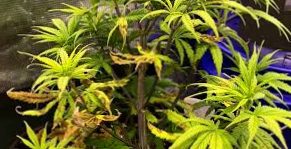
If you’re wondering how you can tell your plants are suffering from magnesium deficiencyHere are some of the most common signs to look out for:
- Yellowing of the leaves: it often starts from the edges and between the grains, leaving the latter still green.
- Stunted growth: The plant may appear to not be growing as fast as it should.
- Older leaves affected first: Symptoms usually begin in mature leaves and move to younger leaves.
It is essential to recognize these symptoms early, as magnesium is mobile within the plant, meaning signs of deficiency will appear on older leaves first as magnesium is redirected to younger parts. Once you notice the signs, it’s time to take action!
Causes of Magnesium Deficiency
Know why it occurs magnesium deficiency in plants it is essential to prevent and treat the problem. Among the most common causes we find:
- Sandy or acidic soils: often poor in natural magnesium.
- Unbalanced fertilization: Excess potassium, calcium, or other minerals can compete with the absorption of magnesium.
- Abundant watering: Excessive watering can dilute the magnesium in the soil, making it less available to plants.
Knowing the causes will help you not only correct the current situation but more importantly prevent it in the future, ensuring that your plants continue to benefit from all the nutrients they need.
Now that you understand what to look for and why this deficiency occurs, it’s almost time to take action. But first, let’s make sure we cover all the bases.
How to Intervene in Case of Magnesium Deficiency
Now that you have recognized the symptoms and understood the causes, it is time to act. Let’s see how to intervene effectively to correct the magnesium deficiency in plants.
Soil Correction
The most direct step to solving a magnesium deficiency is to intervene on the soil itself:
- Application of Epsom salts: Also known as magnesium sulfate, Epsom salts are a quick and economical solution to supplementing magnesium. Dissolve about a tablespoon of Epsom salts in four liters of water and water the plants directly on the soil.
- Dolomitic limestone: If your plants are in acidic soils, adding dolomitic limestone will not only provide magnesium but will help balance the soil pH. This is a slower solution as limestone takes time to integrate into the soil.
Use of Balanced Fertilizers
- Specialized fertilizers they can be useful. Be sure to choose formulations that contain magnesium and are appropriate for the type of plants you are caring for. However, excess fertilizer can cause further problems, so always follow the directions on the packages and don’t overdo it.
Foliar spray
When you are looking for more immediate results, you can opt for a foliar treatment:
- Magnesium-based foliar sprays they can be a quick and temporary recovery option, allowing magnesium to be absorbed directly through the leaves. This method is particularly useful for cases of critical deficiencies where intervention must be immediate.
Preventive Methods
- Soil analysis: Before planting new crops, using a soil analysis can help you know in advance if there is a need for particular nutrient supplements.
- Crop rotation and growth of legumes: Helps keep the soil healthy, avoiding impoverishment of the soil.
Timely action combined with awareness of your garden’s needs are powerful tools to ensure your plants receive all the magnesium they need, preventing this issue from ever arising again. But it doesn’t end here! Let us go further to know its benefits and how to ensure that this deficiency does not arise again.
Maintain Plant Health
Making sure your plants have access to adequate levels of magnesium is only part of the puzzle to maintaining a lush, vibrant garden. There are some practices that can be adopted to ensure that the magnesium deficiency become a problem of the past.
Continuous monitoring
- Check the plants regularly: Get used to looking at your plants carefully. Being able to recognize symptoms of nutritional stress from the beginning is essential for intervening promptly.
- Periodic soil testing: Especially if you notice changes in the color of the leaves or the vigor of the plants. Conducting tests allows you to stay updated on the condition of your garden.
Responsible Fertilization
Using balanced fertilizers not only avoids excess nutrients, but also keeps the availability of magnesium in the soil in balance. Always try to adapt nutrients to the needs of the plants you grow.
- Sustainable agriculture techniques: Implementing techniques such as mulching and companion planting can help maintain a proper balance of nutrients in the soil.
Continuing Education
Staying informed is key to preventing common issues like magnesium deficiency:
- Gardening workshops and communities: Investing time in community activities can give you a constant source of knowledge and exchange of experiences. Participating in online gardening workshops or groups will give you new perspectives and creative solutions for any future problems.
Benefits of Prevention
Taking these measures not only helps you prevent magnesium deficiency in plantsbut it also contributes to the overall health of your garden. Healthy plants are more resistant to diseases and pests, and will grow much more valuable and productive.
Remember, a garden does not thrive only thanks to timely interventions, but thanks to constant and thoughtful attention. Take care of your plants with dedication, and they will reciprocate with beauty and vitality. If you have already started taking the first steps towards solving magnesium deficiencies, you are on the right path to transforming your vegetables and flowers into lush protagonists of your green space!
On the our Le Georgiche store you can find specific fertilizers and products to prevent and correct magnesium deficiency and other essential nutrients. Click here to discover all the available solutions.
latest posts published
Tired of working in the garden? What can be done to reduce maintenance
How to successfully transplant a Christmas tree
Landscaping a new plot: where to start?

What grows in clay: This is what worked on Juste’s farm

Organic seeds: are they worth paying more for?
Preventive spraying of tomatoes with homemade remedies –
Environmental management: how to renovate a bored plot?

Designers answer what are the 3 best plants for the garden
Fruit trees online: how I ordered them and how I planted them