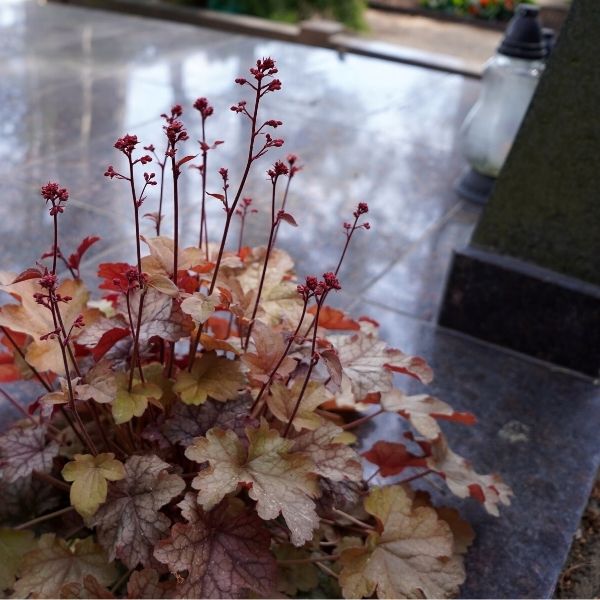
If you live in the city chances are your garden has very small dimensions: however you may be surprised by the number of plant that you can place, even in a small area, if you just decide to use them vertical spaces.
If the surface area at your disposal is small, the portion of it that you can dedicate to overwintering the pots will also be limited: however, if you make careful use of the walls and fences to arrange the annualyou will be able to transform a somewhat anonymous corner into a delightful one veranda for the summer.

Only about twenty years ago it was practically impossible to buy plants other than the best known ones: the only alternative was to buy them in seed.
The range available to customers was limited to those specimens that sold well and could be grown as hedges or in well-organized flowerbeds.
I’m referring to border plants like the Shining sagewith dark red branches, the Indian carnation (Poetic Tagetes and cultivars), with precise and compact shapes, and the very colourful lobelia (Lobelia erino and cultivate).
There were therefore very few climbing and creeping plants available and none of them were among the best-selling species.
Fortunately, trends change and today it is not necessary to grow particular specimens of plants from seed: they are in fact available in adult form.
Creeping and climbing plants available in the market
By searching carefully today you can find different varieties of creeping and climbing plants: pots of sweet pea, climbing chicchera (Guinea pig due), of climbing bell (Tricolor morning glory), garden nasturtiums (A bigger trophy), passion flower (Cerulean passionflower) and also ornamental pumpkins.
THE semi-hardy perennials then they are superb if arranged in baskets or in hanging compositionsand can also be used for vertical gardens (more information on our creations of vertical walls is available at this link). The choice includes the Alonsoa warscewiczii with extraordinary growth, the houseleek Small helichrysum and its cultivars, the compact forms ofHelichrysum microphyllaThe Lotus berthelotii and the Spotted lotussome of the smaller Osteospernum (Osteospermum “Hopleys” And Osteospermum “Killerton Pink”), finally verbena (Verbena “Hidcote Purple” And Verbena “Sissinghurst”).
Plants from seeds
There are many climbers and creepers that can be grown directly from the seed: you can indulge yourself for example with the cuddle (He’s taken), with the species of Brachycomeswith the Thunbergia alataand with your favorite potted plants, such as petuniaThe impatiens and the nemophilous.
They should be grown initially on the windowsill: after a short period of strengthening, the plants can be transplanted outside. The right time for this operation is usually the month of April, when the frost period has definitively passed: it will be a pleasure to observe them throughout the summer, and, if cared for consistently, even until autumn.
Elements to consider
First you need to establish which direction your veranda is facing: does it receive a lot of sun or is it a little shaded?
Based on this you will have to choose plants that need direct light or specimens that tolerate shade.
If the lighting is low, a trick is to paint the wall white, so that it reflects the light.
The location you chose is subject to action of the wind?
In this case my advice is to move towards plants with small leaves.
Are the walls or fences in order for the layout you have in mind?
Otherwise, arrange them so that they can support the baskets and the growth of the plants you have chosen.
Alternatively you can think of a fixed vertical support.
Is water readily available?
If not, are you equipped to use rainwater drains collected in a cistern?
THE hanging plants they need a lot of water: a solution could be to use an automatic irrigation system (if you have no idea how to create one… go back and read the blog, we’ll talk about it in one of the next posts!).
As for baskets, they come in all sizes: an excellent alternative is to combine them with wall vases, which protrude even less.
Get a frame for each climber: metal wire is preferable to the plastic one.
Each vine grown at the base of the wall or fence needs a space at least 60cm wide and must be placed at a considerable depth.
latest posts published
Tired of working in the garden? What can be done to reduce maintenance
How to successfully transplant a Christmas tree
Landscaping a new plot: where to start?

What grows in clay: This is what worked on Juste’s farm

Organic seeds: are they worth paying more for?

Preventive spraying of tomatoes with homemade remedies –
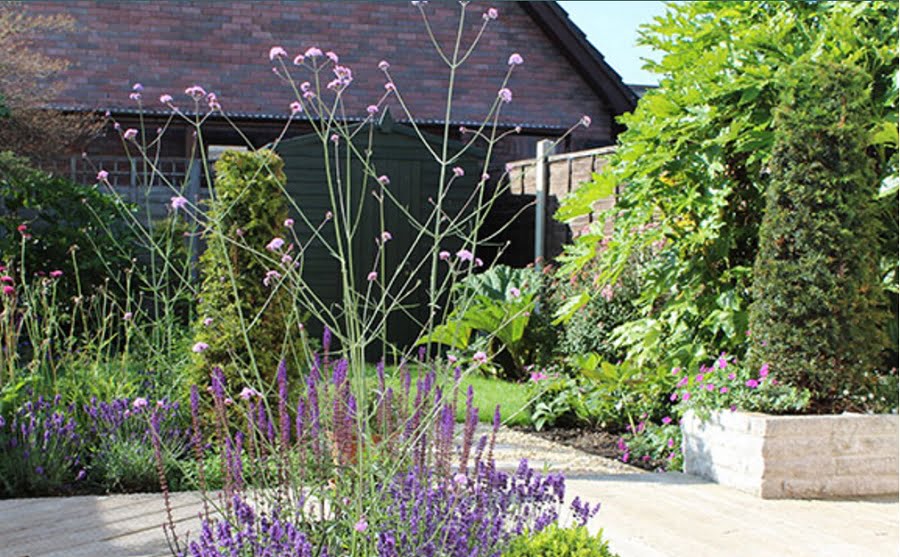
Environmental management: how to renovate a bored plot?
Designers answer what are the 3 best plants for the garden
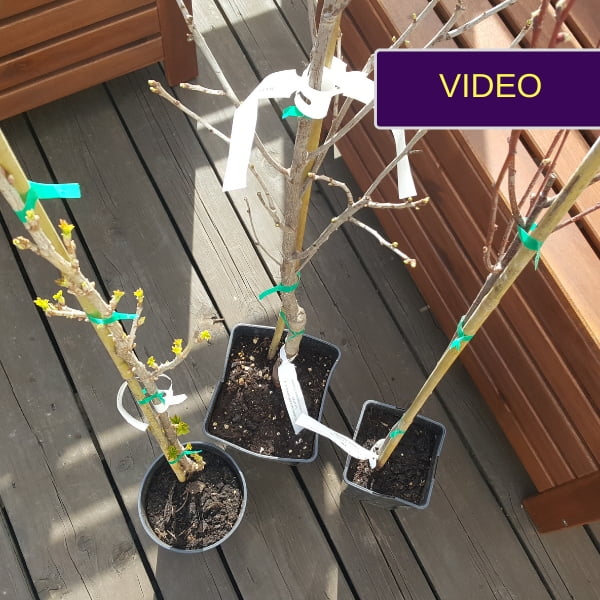
Fruit trees online: how I ordered them and how I planted them