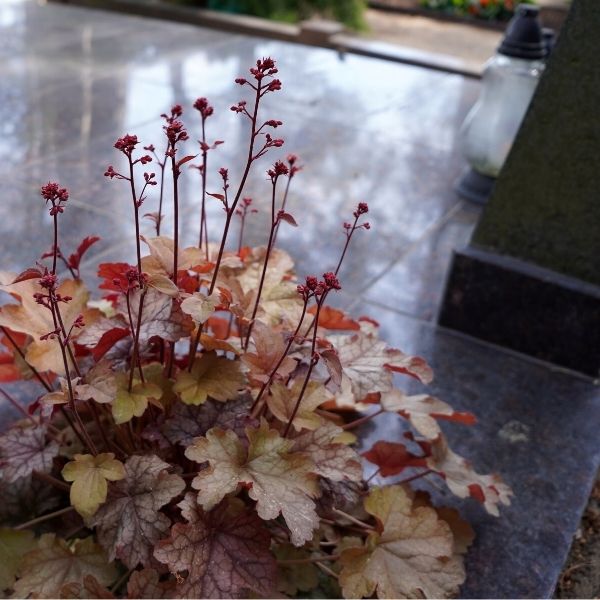
THE plant AND foliage they must be kept clean so that they can breathe, feed themselves, and thus ensure healthy and vigorous growth.
In fact, plants develop through photosynthesis, a process in which, thanks to light, plant cells transform organic substances into energy: to do this the plant needs carbon dioxide, which it absorbs from the outside through numerous pores (stoma), located on the underside of the leaves.
If these pores are clogged with dust and dirt, less light and carbon dioxide are absorbed, slowing the growth of the plant.
For clean the plants different methods can be used, and common sense in this case is an excellent advisor: to give a simple example, it is not recommended to shower specimens with complicated water needs.
Furthermore, in general i flowers they are much more delicate than leaves, so cleaning a flowering plant will have to be very different from that adopted after flowering.
The advice is to choose a cleaning method that is compatible with the conditions in which the plant is grown, with particular attention to delicate specimens.
Here are 8 different ones!
1. Turn upside down and shake in the water
Place the palm of your hand on the soil holding the stem between your fingers, turn the pot upside down, immerse the leaves in a container of warm water and shake.
This is a method suitable for plants with limited growth, such as Peperomia (Peperomia caperata) or those with hairy leaves that retain dirt, for example the tolmea (Tolmiea menziesii).
If the plant is very dirty for the first rinse you can mix a little liquid soap (hand soap) in the water and then do a second rinse in water alone.
2. Brush lightly
Cacti, succulents and plants with leaves covered in thick hair such as African violet (Saintpaulia) must not be cleaned with a sponge or cloth, because they could be damaged: these specimens should be brushed delicately with a soft bristle brush.
3. Wipe gently with a damp cloth
The leaves of very large plants like the monster (Delicious monstera) can be cleaned by wiping them with a damp cloth, taking care to support the leaf from underneath.
4. Spray by misting with a spray bottle
Specimens with small or delicate leaves like the maidenhair (Adiantum wedged) must be sprayed by finely spraying: it is important that the water does not form droplets on the leaves.
5. Use a leaf polisher
You can also use a good brand of leaf polisher on the shiny leaves, applying the liquid with a cotton ball: these substances should not be used on leaves exposed to the sun and you must also be careful not to expose the plant to extreme cold or hot temperatures.
Some of these products contain insecticide: when purchasing, check carefully that the active ingredient is suitable for the plant you intend to use it for.
6. Expose the plant to rain
Many of the indoor plants they love to be displayed outdoors under light rain, for example that of a summer storm: it is important, however, that the vase is protected from air currents, and that the leaves are not exposed to the sun while they are still wet.
Let the plant dry before bringing it back indoors!
7. Use a shower jet of water
Unless you have installed a purifier at home – in which case the water is not suitable for plants – if it is too cold (or too hot) to bring the plant All’externala shower may be the right alternative.
Place the plant on the bottom of the shower and cover the soil with a sheet of plastic, so that it does not get soaked or splash out of the pot.
It is important to use warm water and adjust the jet so that it is not too violent: regular washing will eliminate dust and many insects.
Wash the plant in the early hours of the morning and then place it in a ventilated place but, as always, away from drafts.
8. Dust by blowing
Water and dust together can form deposits: if the plant is large, before washing the leaves it is possible to dust the larger accumulations with a feather duster.
Brushes with pumps are perfect for removing dust from small, delicate plants.
Take advantage of the moments of cleaning of yours plant to check their health: by examining them regularly you will be able to identify diseases or possible parasite infestations and intervene promptly.
latest posts published
Tired of working in the garden? What can be done to reduce maintenance
How to successfully transplant a Christmas tree

Landscaping a new plot: where to start?

What grows in clay: This is what worked on Juste’s farm

Organic seeds: are they worth paying more for?
Preventive spraying of tomatoes with homemade remedies –
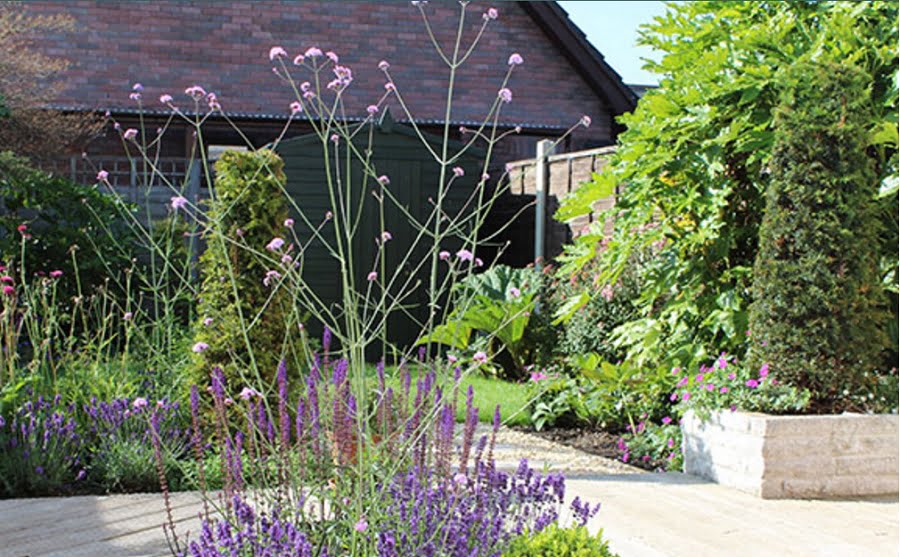
Environmental management: how to renovate a bored plot?
Designers answer what are the 3 best plants for the garden
Fruit trees online: how I ordered them and how I planted them