If you are a gardening enthusiast, your green corner is probably your pride. But what happens when your beloved green beans are attacked by lice? Don’t panic. In this article we will discover together how to eliminate lice from green bean plants using natural remedies, without resorting to chemicals that can damage the environment and your health. Addressing this annoying problem with safe and effective methods is quite simple, once you know the right tricks of the trade.
Lice on green bean plants can cause extensive damage to your plants, reducing their ability to photosynthesize and causing less abundant crops. Lice, also known as aphids, feed by sucking sap from plants, which can cause wilted, stunted or rolled leaves. Furthermore, lice tend to spread diseases among plants, as they act as vectors for various plant viruses. At this point, it is clear how important it is to resolve the problem promptly.
Identifying lice on green bean plants
Before tackling the problem, it is essential to recognize the enemy. Lice can appear in various colors, including green, yellow, and black. Typically, they are found on the undersides of leaves, stems and new shoots of green bean plants. Once identified, it is crucial to act quickly to prevent their spread.
Another sign of the presence of these parasites is the presence of ants. In an unusual alliance, the ants protect the lice in exchange for honeydew, a sugary substance produced by the lice themselves. So, if you notice an increase in ant activity on your plants, you may have a lice infestation.
Natural remedies to eliminate lice from green bean plants
Fortunately, nature offers us a number of effective solutions to keep lice at bay, without harming your garden’s ecosystem. Below, we explore some of the safest and easiest remedies to apply.
Soap and water solution
A simple but powerful method is to use a soap and water solution. This solution works by suffocating the lice and making their environment slippery, thus reducing their ability to feed on plants.
Ingredients:
- 1 liter of water
- 1 tablespoon of Marseille soap or biodegradable dishwashing detergent
Procedure:
- Mix the ingredients thoroughly in a spray bottle.
- Spray the solution directly on the infested areas of the green bean plants, focusing on the undersides of the leaves.
- Repeat the treatment every 5-7 days, until the lice disappear.
Neem oil
Neem oil is a highly effective natural insecticide, known for its deterrent power against many species of insects, including lice. It is a safe option for application on edible plants.
Procedure:
- Dilute Neem oil according to the product instructions, typically 2 teaspoons of oil per liter of water.
- Add a few drops of biodegradable liquid soap to better emulsify the mixture.
- Apply the solution to the leaves of the plants early in the morning or late afternoon, avoiding the hottest hours.
These remedies represent just some options available for those who want to fight lice on green bean plants in an eco-sustainable way.
In addition to the aforementioned methods with soap and Neem oil, there are other equally effective natural remedies for eliminating lice from green bean plants. These methods not only enrich your eco-friendly arsenal against pests, but also help ensure that your plants remain healthy throughout the growing season.
Garlic-based spray
Garlic is not only a fantastic ingredient for your dishes, but it is also a powerful natural lice repellent. Thanks to its essential oils, garlic can discourage lice from colonizing your plants.
Ingredients:
- 2-3 cloves of garlic
- 1 liter of water
Procedure:
- Crush the garlic cloves and let them macerate in water for at least 12 hours.
- Filter the liquid and transfer it to a spray bottle.
- Spray the mixture generously on your plants, focusing on the infested leaves and stems.
Use of beneficial insects
Promoting a habitat for beneficial insects, such as ladybugs, can be a natural and effective way to keep lice populations under control. Ladybugs feed heavily on aphids and can significantly help reduce the problem.
How to attract ladybugs:
- Plant flowers such as marigolds and yarrow nearby.
- Avoid the indiscriminate use of insecticides which could drive away these precious allies.
Crop rotation
A fundamental agricultural practice to prevent recurring infestations is crop rotation. This simple method involves changing the type of crop planted in a specific area from one season to another.
Lice thrive on certain plants and by leaving green bean plants in the same place each season, you create a permanent spot for them to thrive. By altering the distribution of crops, you break the life cycle of pests.
Prevention: the key to healthy plants
In addition to fighting active infestations, prevention plays a crucial role in keeping your green bean plants free of lice. Here are some tips:
- Inspect plants regularly: Check for lice at least once a week, especially during more intense growth periods.
- Keep plants healthy: Well-fed and watered plants are more resistant to pest attacks.
- Avoid excess nitrogen fertilizers: Too much nitrogen can encourage tender leaf growth, which attracts lice.
By following the tips and natural remedies in this article, you can keep your green bean plants healthy and enjoy a bountiful harvest. Remember, taking care of your garden also means taking care of the balance of the ecosystem that surrounds it.
latest posts published

Tired of working in the garden? What can be done to reduce maintenance
How to successfully transplant a Christmas tree

Landscaping a new plot: where to start?

What grows in clay: This is what worked on Juste’s farm

Organic seeds: are they worth paying more for?
Preventive spraying of tomatoes with homemade remedies –
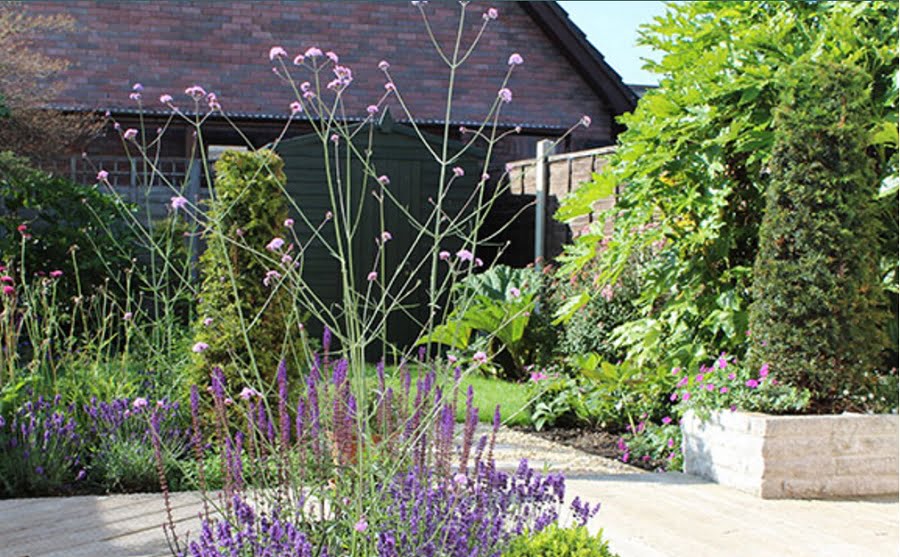
Environmental management: how to renovate a bored plot?

Designers answer what are the 3 best plants for the garden
Fruit trees online: how I ordered them and how I planted them