The hedge performs multiple functions in the yard: it is the frame of the land, the background for plants, the protection from the gaze of neighbors, the border between the flowerbed and the lawn, the garden curtain and much more. Do you want the hedge formed to be beautiful and healthy? There are some important rules to follow.
1. A WELL PREPARED PIT
You got it right, a healthy hedge starts with good hole preparation. If the soil is clayey, do not be too lazy to dig a serious trench and fill it with a layer of greenery mixed with compost. If you only make small holes for the plants in such a place, they will soon grow as large as you have left room for roots, and then they will struggle because they will struggle to push their way through the clay layer.
It is not necessary to dig a very wide hole – be guided by the width of the future hedge, because the roots usually take up as much space underground as on the ground. Of course, it is not necessary to dig a 2 meter deep hole for a future 2 meter high hedge, but the most important thing is to judge that you are digging a hole not based on what the seedling is now, but how big it will be in a few years.
2. PLANTS ARE SELECTED BASED ON EXISTING CONDITIONS
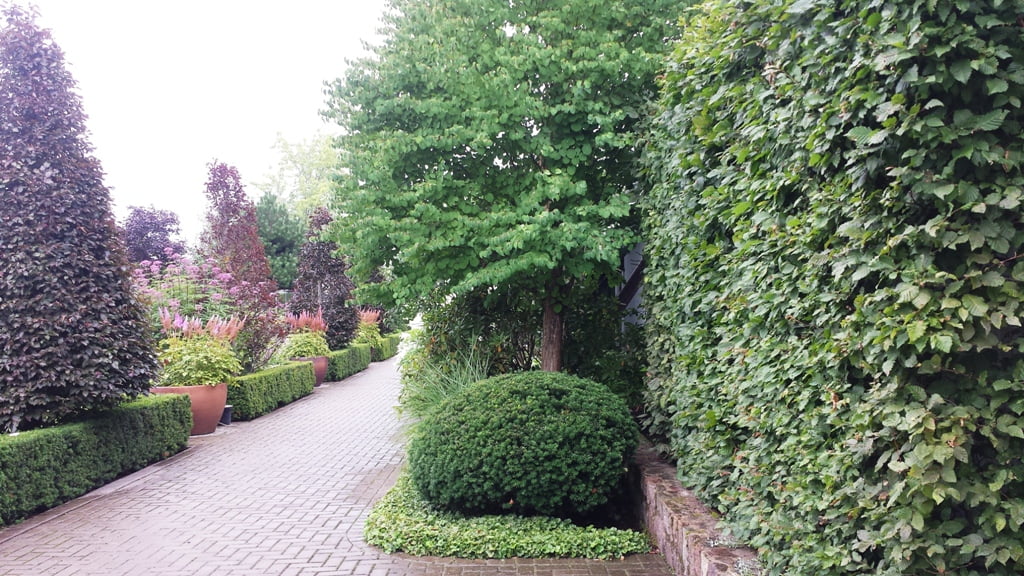
For hedges, undemanding plants are usually chosen: thuja, dogwood, white bearberry, sedge, spruce and others. Don’t look for some special format for the hedge, choose common plants that you see growing beautifully from your neighbors. Let other plants surprise with their beauty or unusual shapes, but here the hedge must be reliable. It is therefore necessary to choose its species well so that it grows without problems and so that another plant in the entire hedge row does not turn brown in mid-season.
Plants are different: the conditions they need are also different. Junipers need a sunny place. Thujas on the south side can turn brown if it is still cold at the end of winter and the sun is already baking. Look for shade for boxwoods, otherwise they will be poor.
So don’t choose plants for the hedge blindly, but first read what would grow best in the intended place, consult the nursery.
3. ONLY LOW GROUNDWATER
One thing many plants don’t like is when the water table is too high. Often in gardening courses”My garden project“, we are asked the question of why the entire row of thuja trees turned brown. And the most common answer is found right here. Find out if your plot is located in a place with a spring. There was such a case when the house is located on a hill, then the question of groundwater was not even raised. However, when half of the plants of the recently planted thuja hedge withered, it turned out that a spring flowed in that place.s not die immediately after planting, it is better to look into this issue in advance.
4. IT IS NECESSARY TO TRAIN AN ALREADY SMALL PLANT
The most common mistake is to wait until the seedling reaches a certain height, and only then cut off the top and prune the sides. If you want a beautiful, thick and regular hedge, start shaping it much earlier. Don’t spare the plant, because that’s why you planted it. The sooner you shape it, the more beautiful its branches will be and the more regular its growth will be.
If the hedge is started too late, there are two most common problems that arise. First the lower part of the hedge is exposed. If we start to form a small plant, the first lower branches already thicken and fill the lower part well. If the plant is left undisturbed, it lifts the crown, and subsequent shortening of the branch tips only causes those tips to branch. Here we come to the second visual defect: this is how holes form in the hedge, which are then difficult to fill well.
5. TAPERED SHAPE OF THE FENCE
Try to give your hedge a level playing field. This means that all branches of the hedge equally want sun. In order not to widen the bottom, use the following trick: create a straight vertical hedge not entirely perpendicular, but slightly narrowing towards the top. Visually, that shrinkage may not be visible at all, and will be a great gift to the health of the hedge itself. Diseases of fungal origin will attack less, the leaves or needles will form more beautiful, which will be obvious.
And vice versa – if you were thinking of forming a hedge that expands upwards, know that keeping it healthy and beautiful will be much more difficult.
6. TRAIN OFTEN AND WITH A GOOD TOOL
It is possible to dedicate a separate point and shout loudly that a healthy and beautiful hedge is only if it has a regular shape. Well, it’s obvious what can’t be said here.
And here’s what’s no less important: doing it with the right tool. Whether electric, petrol or simply scissors, the most important thing is that the tool is very sharp. Otherwise, the branches are not cut, but torn, wounds appear, the leaves begin to turn yellow. This gives neither health nor beauty to the hedge.rtaitė
7. UPDATE
And finally, if you haven’t managed to grow a nice hedge or if you have an old, decrepit one, you may simply need to renovate it. With some plants, such a plan may not burn, and with some it will be as good as possible.
For example, an old, neglected hawthorn hedge can look like a scary thorny forest and can be very difficult to eradicate because the roots are very strong and vibrant. And this is not a disadvantage, but an advantage: you only need to drastically cut the hawthorns and leave them only slightly above the roots. Immediately shape the shoots that grow in spring so that they grow beautifully according to your idea. Such a hedge will regenerate much faster than if you buy small seedlings, because all its life lies in the roots. Here is a free update that can radically change the structure of the plot.
latest posts published
Tired of working in the garden? What can be done to reduce maintenance
How to successfully transplant a Christmas tree
Landscaping a new plot: where to start?

What grows in clay: This is what worked on Juste’s farm

Organic seeds: are they worth paying more for?
Preventive spraying of tomatoes with homemade remedies –
Environmental management: how to renovate a bored plot?
Designers answer what are the 3 best plants for the garden
Fruit trees online: how I ordered them and how I planted them