Let’s continue our journey into the fantastic world of autumn bulbs. We talked about it earlier in general terms and learned about irises, hyacinths and crocuses.
Today we’re talking about Tulips and Daffodils, beautiful flowers but always cheap and very easy to grow!
I remind you that the bulbs which we will talk about can be purchased on our e-shop by clicking here.
If you want to make the work of planting bulbs more practical, get a transplanter by clicking here.
TULIPS
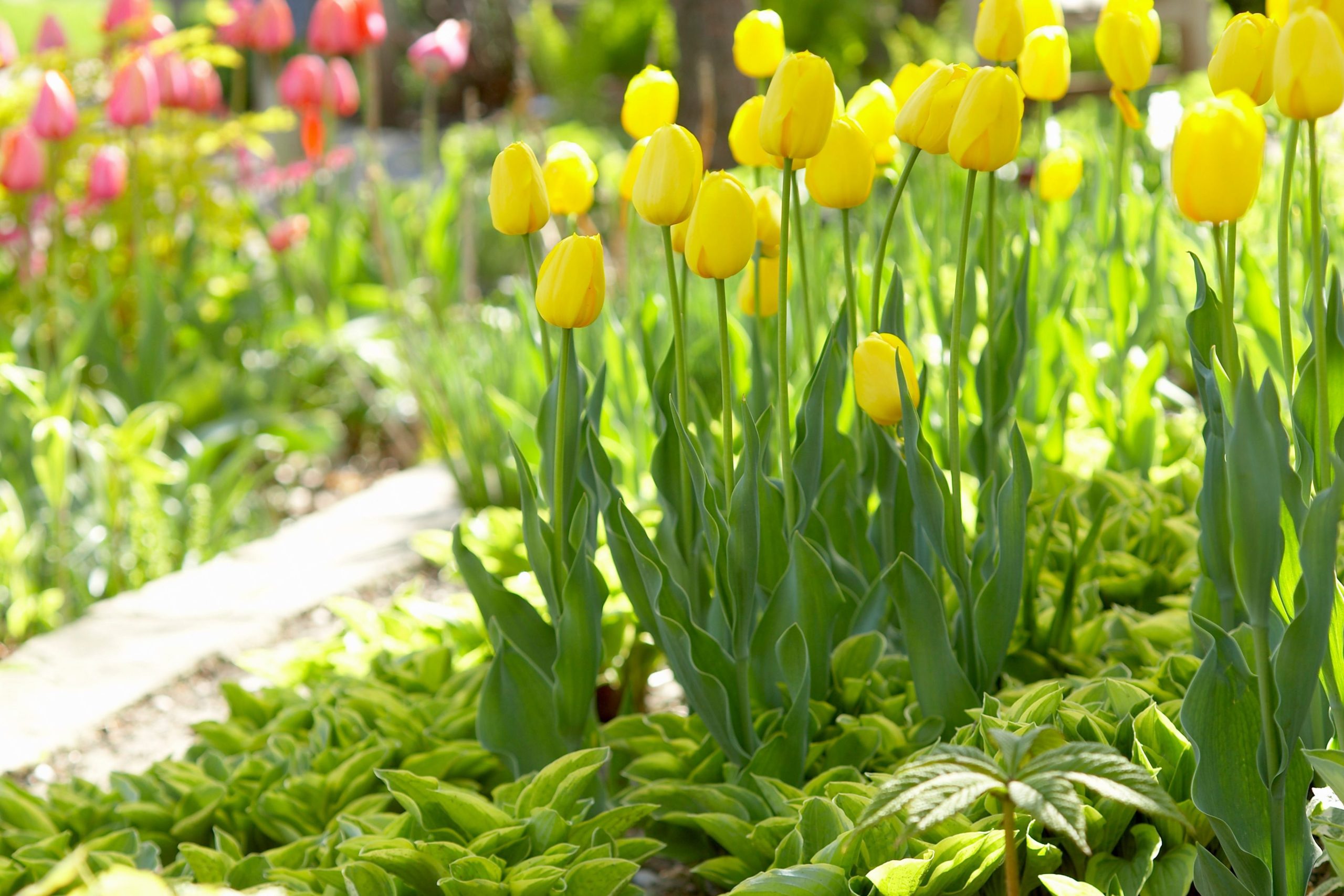
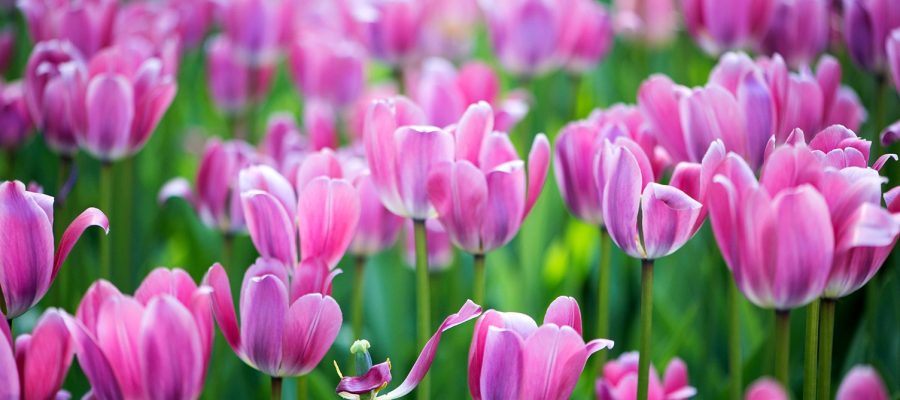
They are among the best known bulbous plants and there are around 150 species but hybrid varieties are offered in the garden. The colors are many from white to yellow, orange, red, pink, mauve and even blackand in many different color shades and veins. The leaves are a deep green and contain purple or silver veins. The bulbs are medium to large in size and each produce a single stem and a single flower. They are buried 3 times the height of the tulip and you must leave at least 10 cm between one bulb and another. The tulip can reach 20 to 50 cm in height depending on the species.
PLACING
It is done from October to December although early planting is preferable for better rooting. They love fresh, deep, fairly drained soil, avoiding watery stagnation. Add universal soil, a little sand and a little manure to the garden soil to increase the mineral salts. Place them in full sun or partial shade.
WETTINGS
Water only when the soil is dry and during the period of development of shoots and flowers. You can apply a fertilizer in late winter and at the end of flowering.
MAINTENANCE
They are plants suitable for growing wild and can be left for years in the same starting soil. They have a very short vegetative cycle and therefore require little care. You can dig up the bulbs in autumn, keeping them in a cool, dry place until the following autumn when you can bury them again. Do not eliminate or cut the stem after flowering but keep it, even if unsightly, to avoid loss of vitality; only cut it when it is completely dry.
PROPAGATION
Tulips can be reproduced by bulbils but also by seeds, although most of the hybrids on the market are sterile hybrids and therefore do not produce fertile seeds.
THE DAFFODILS
They are bulbous plants most widespread in cultivation and also present in the wild state in nature; the species marketed are mainly hybrids, selected for the color and size of the flowers and for their scent. The plant reaches 25 to 30 cm in height and the flowers bloom singly or sometimes gathered in several specimens. The colors of wild daffodils are white or yellow, while hybrids can be pink and orange. The leaves are light green and sometimes blue-green.
Its name comes from Greek Narkao (“I stun”) and refers to its penetrating scent; in fact, it is widely used in the perfume industry.
PLACING
They should be planted in late autumn, at the latest in January, to avoid frosts which can be dangerous. Plant 10 to 20 cm deep. Plant the bulbs in small groups of 5/10.
Both the flowers and the leaves contain narcisin, a poison that causes neuronal disorders and gastric inflammation and, if left unaddressed, can prove death in less than 24 hours.
LAND
The ideal soil is low in carbon and very soft, avoid peaty soils.
FERTILIZATION
Administer a fertilizer rich in phosphorus and potassium during flowering and in the period immediately following. In autumn, however, use a fertilizer low in nitrogen to strengthen the stem and roots. Find the right fertilizer here.
WETTINGS
Water frequently during the leaf development period, approximately every 15-20 days; it does not need water in autumn and winter as it is in vegetative rest. Through chlorophyll photosynthesis the bulb stores everything it will need for the following year.
MAINTENANCE
Take care of the foliage of your daffodils even when the flowers have withered and only when the leaves dry naturally can you dig up the bulbs, removing the smaller bulbils, which can take away the strength of the mother bulb. You can help the plant with a slow release fertilizer.
You can start by planting a beautiful flowerbed of tulips and daffodils! What are you waiting for??
latest posts published
Tired of working in the garden? What can be done to reduce maintenance
How to successfully transplant a Christmas tree
Landscaping a new plot: where to start?
What grows in clay: This is what worked on Juste’s farm
Organic seeds: are they worth paying more for?
Preventive spraying of tomatoes with homemade remedies –
Environmental management: how to renovate a bored plot?
Designers answer what are the 3 best plants for the garden
Fruit trees online: how I ordered them and how I planted them