
Environmental management specialists are crazy about how many landowners made mistakes this year that needed to be corrected. Whether you’re creating a new garden in a clearing or remodeling a long-loved space, there’s a certain order of work worth following. At the end of the article you will find an infographic, in which the entire sequence of works is shown one by one. So where to start?
FIRST WORKS REQUIRING HEAVY EQUIPMENT
Chaotic work guarantees a lot of additional costs, and if you plan the work in advance, you can save a lot. They were Marozienėwhich deals with the creation and management of the environment, says that there are also curious cases. For example, when he arrives to install the lawn, he sees that the pavers have already been laid, the irrigation system has been installed, some plants have been planted and the additional topsoil has not yet been delivered. The question arises: how to bring a lot of land into an almost settled yard? With a helicopter it would be difficult, you have to work by hand, which involves additional time and costs for the owner.

Therefore, if it is necessary to bring earth, it is recommended to leave a segment of the fence not closedso that heavy equipment can enter. The installation of a fixed fence can only be completed after heavy machinery is no longer required for any work.
If at the entrance flooring is planned, it is advisable to bring the soil first, and only then finish laying the flooring at the entrance. This means you may have to call the pavers twice. Otherwise, heavy machinery could damage the pavement in a representative area of the land near the entrance or driveway.
FIRST THE TRAILS, AFTER THE MEADOW
Not knowing where to start, new plot owners often sow the lawn all or most of the plot and only then gradually move on to other tasks. Creating the plot environment in stages is a good thing, but creating without following the order of work already means problems and inconvenience. This is what happens when people seed their lawn and then install pavers.
Pavers are laid strictly respecting heights and slopes, while lawns are generally less precise. So, if the level of the pavement and that of the lawn coincide in one corner, the 2 cm difference at the other end is already clearly visible and really inconvenient. That lowering must be increased by bringing in more soil, and if the lawn is already growing here, the process immediately becomes more complicated, costs increase, it is difficult to call a specialist for a corner. Very often, in such cases, the owners give up and are left with an unresolved place, which in the long run hinders and annoys.
So, first of all, it is necessary to install hard surfaces, such as paths, stairs, playgrounds, only then sow the lawn and install vegetation, bringing the soil level to the level of hard surfaces.
INSTALLATION OF THE IRRIGATION SYSTEM – ONLY AFTER THE INTERVENTION OF THE HEAVY EQUIPMENT
Heavy machinery is needed to bring in pavers and other large, heavy things, bring in the soil and level it. Only subsequently can the irrigation system pipes be laid. This is another common mistake hosts make. V. Marozienė says that sometimes it happens that the earth has already been brought to the ground, but due to the irrigation system the tractor cannot level it, because otherwise the pipes would be damaged. In this case alignment becomes difficult.
It’s important: if the water for irrigation is taken outside the house, the main pipes are first passed under the avenues (but before the pipes circulate all the land), then the paving is laid, then the irrigation pipes can be continued where necessary.
If you pass the irrigation system over the entire lawn area, and only then start paving, the pipes could be compressed, crushed or otherwise damaged. Therefore, follow the golden rule according to which logical order of work: first loosen the soil with heavy equipment, then lay out the irrigation pipes and lay out the lighting cables, and only then sow the lawn.
It is even better to bring the soil for the plants now in the autumn, spread it and let it sit over the winter. In spring all you have to do is sow the surface, lay the irrigation pipes and lighting cables, then sow the lawn.
PAY ATTENTION TO UNDERGROUND COMMUNICATIONS
Pay attention to electrical wires, gas, plumbing, sewer, geothermal heating, outdoor lighting, and other wires or pipes routed underground. The most important thing is to pay attention to it when you plan, not when the work is already underway. This will not only avoid accidents, but also save time and money.
There are also designers or workers who will not ask you about communications, but the responsibility still falls on you, so make sure you know what and where is on your property. V. Marozienė tells the case: the greening project included planting a tree, and when he arrived right nearby, he saw the nozzle of the irrigation system. When asked where the irrigation hoses leading to the nozzle are located, the owners did not know. And after all, you need to dig a large hole in that place, where a large tree will be planted.
It is best if all underground pipes and cables are designed and drawn in plans.
THINK IF IT IS REALLY WORTH PLANTING TREES DURING CONSTRUCTION
In landscaping courses “My garden project“Participants plan the environment of their plots and want to start planting as soon as possible, even before construction is finished. However, V. Marozienė recommends doing this only if you already have a complete plot plan.
If you know exactlyso that the soil level does not change, it is worth planting long-growing trees such as oaks or maples and saving for about a year. Plant them only if provided in the most remote areas of the plot.
If trees or bushes are provided right next to the house or at the front of the landit is better to abstain. Let’s be honest, builders and drivers of heavy vehicles are often careless, they don’t notice the plants, they can hurt them, cover them with earth, push them.
On purpose garden plantssuch as apple or cherry trees, the specialist recommends waiting until construction is finished and settling on the land. Such plants may require care, especially until they become established. We need to notice if it is necessary to water, support if attacked by diseases or parasites, help in time.
TIP: FIND A SPECIALIST TO SUPERVISE THE PROGRESS OF THE WORK
Even a small plot of land must undergo the same processes as a large one. The whole process is not so simple, you have to plan a lot of work and hire several specialists. When building a house, the construction manager performs a similar function. Such a person would also be needed when creating an environment where the entire process is intelligently organized and executed correctly and on time.
If your project is handled by a landscape architect, ask them about copyright oversight and whether it includes appropriate workflow adjustments. If the landscape vision was drawn by a garden designer, ask him to mediate in the further implementation process. If you are creating your own environment, talk to a specialist who will point you in the right direction, when and what work to do, what and when you need to hire specialists, and what work and when you can do it yourself
latest posts published
Tired of working in the garden? What can be done to reduce maintenance
How to successfully transplant a Christmas tree
Landscaping a new plot: where to start?

What grows in clay: This is what worked on Juste’s farm

Organic seeds: are they worth paying more for?

Preventive spraying of tomatoes with homemade remedies –
Environmental management: how to renovate a bored plot?

Designers answer what are the 3 best plants for the garden
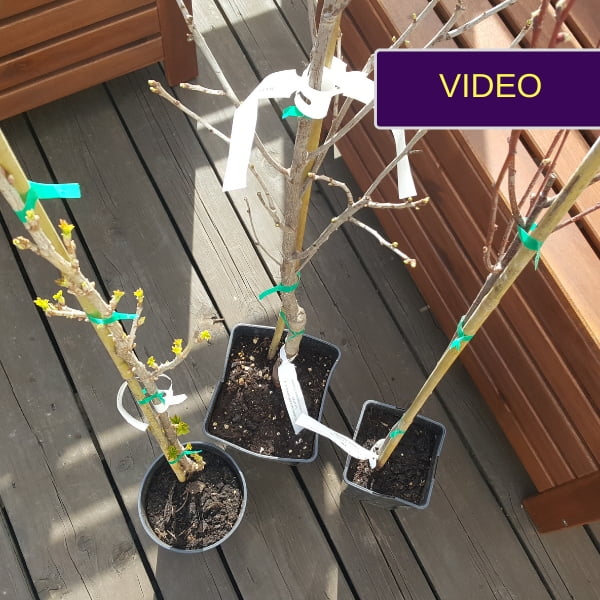
Fruit trees online: how I ordered them and how I planted them