Wines are known for their diversity of aromas, tastes and textures and one of the key factors contributing to this variety is tannin. This component, present above all in red wines, has a significant impact on the tasting experience, but also on the structure, evolution and conservation of the wine. Whether you taste wines occasionally or want to become a true expert in the art of winemaking, we invite you to learn more about tannin and its impact on this beloved beverage. Here’s what you need to know!
What is tannin and where does it come from?
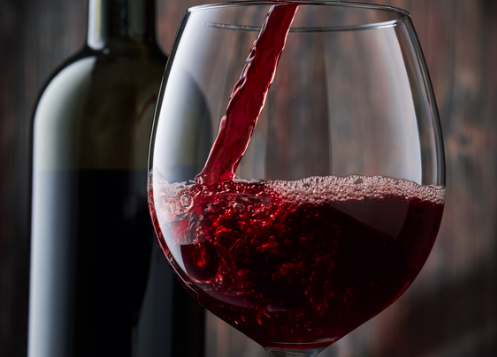
Tannin is an organic compound of the polyphenol class, which is found naturally in various plants, predominantly in the bark, seeds and leaves. This is mainly responsible for the astringent and slightly bitter nuance of some wines. Tannin is extracted from grapes during the wine fermentation and aging process through contact of grape juice with the skin, seeds or bunches.
Tannin plays an important role in plants as it provides protection against insect and herbivore attacks and helps stabilize the structure of leaf cells and regulate growth. In wine the level of tannin can vary depending on the vines used and the winemaking methods. For example, red grapes have a higher concentration of tannins than white grapes because the skin and bunches are preserved during the fermentation process. In addition to wine, tannins are also found in other foods and drinks, such as tea, coffee, berries, nuts and dark chocolate.
How does tannin contribute to the taste, texture and quality of wines?
Tannin has a significant influence on the resulting drink, adding a complex dimension and distinct characteristics. Here is how this compound influences the main aspects of a wine.
The taste
Tannin provides an astringent, dry and often bitter taste. The quantity and quality of tannin influence the final taste of the drink. For example, well-integrated and balanced tannins give red wines a beautiful structure and depth, while an excess of tannins can create a harsh, tart sensation.
Structure
Tannin contributes to the sense of body and texture in wines. The structure of a wine can reveal fine, silky tannins or harsher, more intense substances. Light, subtle tannins can provide a velvety taste that enriches your sensory experience. At the same time, tannins can contribute to the persistence of taste, providing a pleasant and long-lasting sensation after swallowing.
The quality
The balance between tannin, acidity, alcohol and sugars is essential to obtain a harmonious and pleasant wine. A high level of tannin can be counterbalanced by adequate acidity or sweetness, creating an overall impression of balance and refinement. Furthermore, tannins can harmonize with the proteins and fats of the food consumed with wine, giving you a pleasant and complete experience.
The role of tannins in the wine aging process
Tannins contribute to color stabilization red wines combining with anthocyanin molecules, with which they form stable compounds that prevent discoloration. At the same time, tannins also have antioxidant properties, which means they can protect wine from the negative effects of oxidation during the aging process. This helps preserve the freshness and quality of the wine and prevents the alteration of its taste and aroma.
During the aging process that occurs in cellars with traditionTannins interact with proteins and other wine compounds, form sediments, and contribute to wine clarification. This interaction can also influence the taste of the wine, as it reduces the sensation of astringency and makes the drink more harmonious and mature.
Tannin in different types of wine
Each grape variety has a specific tannin content, which directly influences the characteristics of the wine obtained. Red wines usually have a higher tannin level than white wines. For example, type drinks Cabernet SauvignonMerlot and Syrah are known for high levels of tannin, while Chardonnay and Sauvignon Blanc have lower levels of these compounds.
The winemaking process, including fermentation, maturation and aging of the wine, can significantly influence the level of tannins in the wine. For example, fermentation at higher temperatures can extract more tannin from grapes, while aging methods such as using oak barrels can help add low or medium amounts of tannins to the wine. Furthermore, wines that combine different grape varietiesit can offer a more balanced and harmonious taste.
Winemakers can adapt their winemaking methods to control and balance tannin levels in their wines. The main methods may involve choosing grape varieties with specific tannin levels, modifying the fermentation process, or using wine aging and blending techniques to achieve the desired flavor and texture profile. As a rule, wines with a high level of tannin require a longer aging period to reach maximum flavor potential, while wines with a low level of tannin may be easier to drink and can be enjoyed in a shorter period of time.
In conclusion, tannin is an essential component in the world of wine and has a distinct contribution when it comes to the taste, texture and quality of wine. If you want to find out which drinks you prefer, depending on the level of tannins, try different varieties, from whites with a low percentage of these compounds, to rich and intense wines. Choose from the rich variety offered by Crama Gîrboiu and enjoy exceptional quality and unique flavor profiles!
latest posts published

Tired of working in the garden? What can be done to reduce maintenance
How to successfully transplant a Christmas tree

Landscaping a new plot: where to start?
What grows in clay: This is what worked on Juste’s farm
Organic seeds: are they worth paying more for?
Preventive spraying of tomatoes with homemade remedies –
Environmental management: how to renovate a bored plot?
Designers answer what are the 3 best plants for the garden
Fruit trees online: how I ordered them and how I planted them