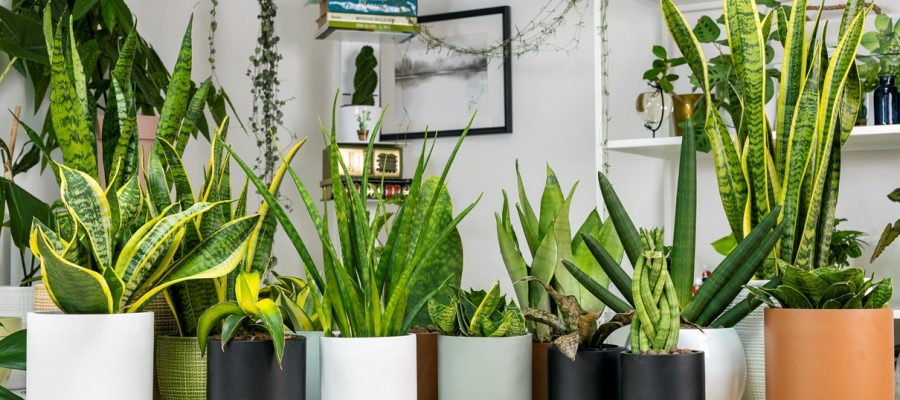
Today we are going to get to know more closely one of the great classics that can hardly be missing in a home, especially if you are taking the first steps towards the magical world of greenery.
In fact, our dearest Sansevieria knows how to stand up to even the blackest thumb or the clumsiest plant lover on the globe. In short, she is a real war veteran.
We have already met her in the article “Houseplants suitable for low-light areas”, so we have already been able to discover something about this fascinating queen of half-shades, but how can we not go into detail? Absolutely impossible!
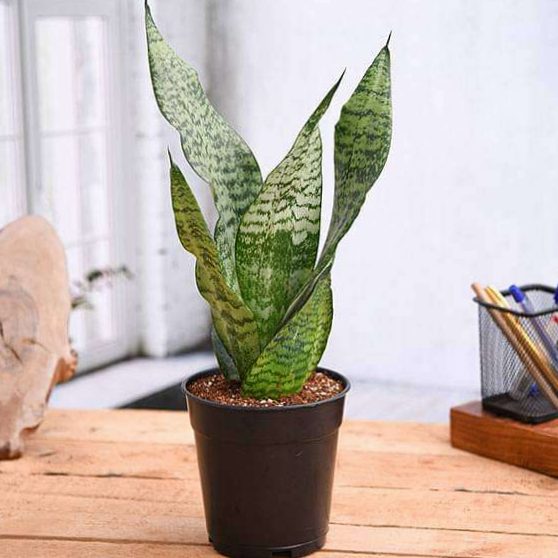
Sansevieria
Saseverias, also known as “snake plants” due to the shape of their leaves, long and thin, which almost seem to want to stretch out to slither away, are truly popular plants that have long found a place of honor in our homes.
In addition to “snake plants,” they are also called “mother-in-law’s tongues,” referring to being long and pointed. Don’t worry dear mothers-in-law, the ambassador doesn’t bring any pain!
They are part of the Agavaceae family and are native to the warm climates of India, Africa and Indonesia, also they are considered succulent plants!
Sansevierie are also known as plants that purify the air, but is this true? Find out here!
As we mentioned, the leaves are the great protagonists of the Sansevierie, in fact they do not betray the reckless nature of this plant, instead reflecting its strong and resistant character, which shines through from the pointed and decisive shape that the leaves show off. However, there are varieties that also differ with a certain decisiveness, both in color (dark green, silver, green, yellow, white, etc.) and in shape (round, flat or concave), managing to satisfy everyone’s aesthetic taste!
They have a growth rate that varies from slow to moderate based on the type of lightin fact, natural light will favor faster growth, unlike artificial light. While their lifespan, owner permitting, is quite long.
Caring for Sansevieria
As we said, Sanseverias are born fighters, but why make their life difficult when we could know how to best take care of them?
Light
When you think of a “good-tasting” plant in terms of light, Sasevieria certainly occupies one of the first places. Its ideal light is of medium intensity, but it will tolerate low light and even more intense light without too many problems.
In short, wherever you put it it will adapt!
However, if you know you have little light available, the advice is to prefer darker colored varieties, which will be more comfortable, unlike variegated or lighter plants which will tend to lose a little color if placed in darker areas.
The only things you will have to pay attention to, however, are the direct rays of the sun which will tend to burn (especially in spring and summer) the leaf blade of Sasevieria.
Waterfall
Water is a delicate point for these plants, perhaps the one to which to pay the most attention. It is in fact essential not to overdo the watering or the Sansevieria could suffer from rotfor this reason it is best to make sure that the soil is dry before watering again.
Furthermore, during the cold months it is advisable to further reduce the usual dose of water.
Be careful not to leave water residues in the places where the leaves form depressions, this could also lead to rotting.
Let’s remember that Sansevieria is a succulent so it will be able to accumulate the necessary water in its leaves, it will not need to be continuously watered by us!
Humidity
No problems on this front either, this plant will also adapt well to the bathroom where humidity certainly abounds.
Land
Here too there are no particular problems, but well-draining soil is recommended, as water is its Achilles’ heel. A soil for green plants will be fine for her, we recommend our trusty Florenpot.
Temperature
Keep her safe from cold drafts and heating vents and off you go, the temperature at which you feel best in your home will be fine for her too.
For those who want to keep them outside, it’s fine, especially if you live in the south where temperatures tend to be more clement, but be careful to take it under cover when the first frosts or snow arrive, those are not well tolerated by Sansevieria! In general, below 10°C it is better to avoid keeping them outside.
Fertilization
Naturally, a little fertilizer will not displease your beloved plant, we advise you to give it a diluted fertilizer for green plants to reduce its concentration compared to the recommended doses, approximately every three weeks throughout the summer. If you exaggerate with the doses you may see some leaves fall, in which case reduce the doses immediately!
Propagation
While outdoors they tend to multiply independently at home you can proceed by cutting or dividing the rhizomes.
Illnesses
Sanseverias are generally very resistant to pests, but when in poor condition they can attract scale insects and/or mites.
Toxicity
She is a fighter, so her goal is also to stop potential enemies from attacking her. If the hardness of the leaves is not enough to change our dogs and cats’ minds from tasting a small piece of it, unfortunately she will have a plan B ready, resulting in it being toxic to them. In fact, ingesting parts of Sansevieria causes nausea, vomiting and other intestinal symptoms.
latest posts published
Tired of working in the garden? What can be done to reduce maintenance
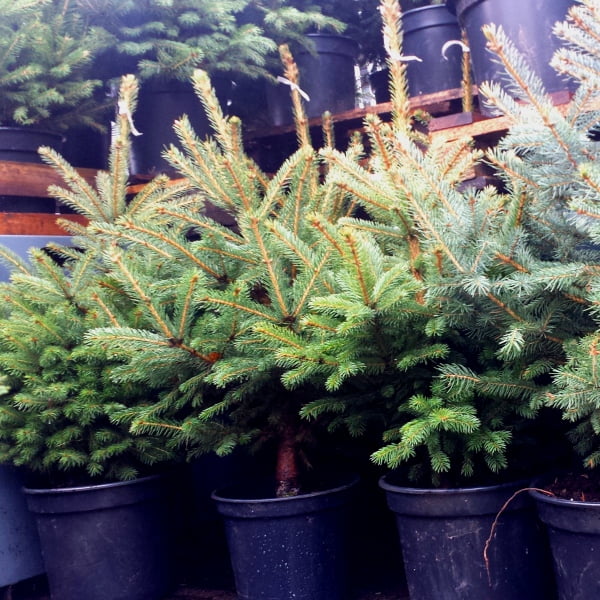
How to successfully transplant a Christmas tree

Landscaping a new plot: where to start?
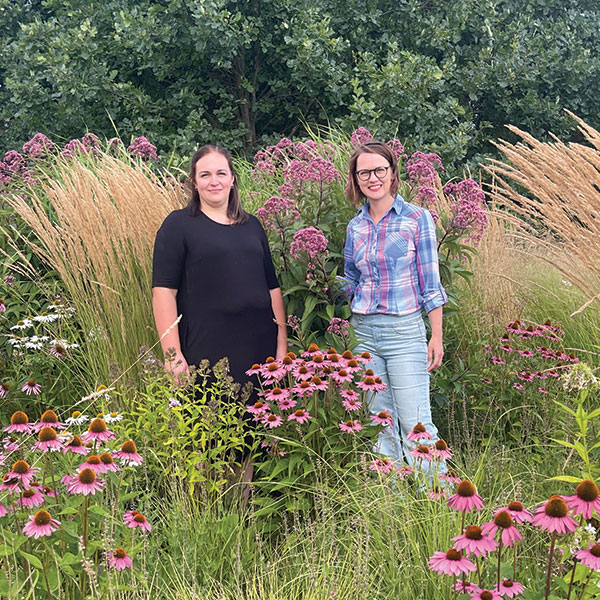
What grows in clay: This is what worked on Juste’s farm

Organic seeds: are they worth paying more for?
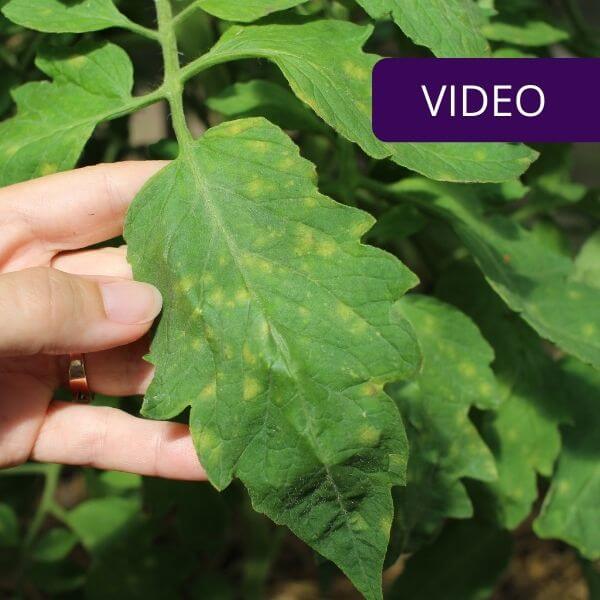
Preventive spraying of tomatoes with homemade remedies –
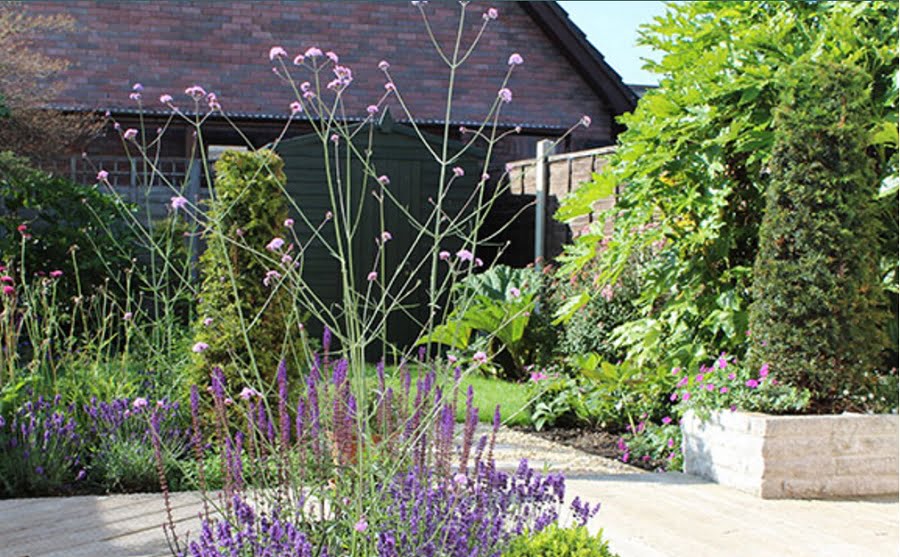
Environmental management: how to renovate a bored plot?
Designers answer what are the 3 best plants for the garden
Fruit trees online: how I ordered them and how I planted them