Red wines have a long history, dating back to ancient times when they were produced in regions such as Georgia, Iran and Greece. Over the centuries, winemaking has spread throughout the world, reaching regions famous for red wines such as Bordeaux in France, Tuscany in Italy and Napa Valley in the United States. In Romania red wines have been cultivated since Dacian times and production technologies have been constantly perfected, reaching today’s high level.
In Romanian culture, red wine is a symbol of hospitality and well-being, a presence present in the most important moments of life. There is a large variety of red wines, each variety has specific characteristics, from Merlot, characterized by a fruity and velvety taste, to Cabernet Sauvignon, known for its deep aroma and notes of black fruits.
In this article we will enter the world of red wines step by step. Whether you are a connoisseur or simply a wine lover, we invite you to browse these pages and discover more about the color, aroma and taste of red wines.
Red wines: from color to variety
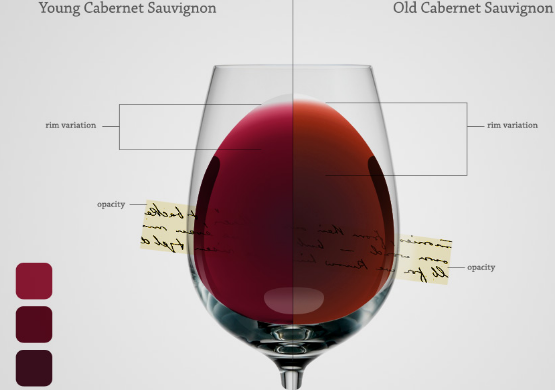
The colors of red wines are a diverse palette of shades that reflect the variety of varieties and winemaking processes used in their production. The color of a red wine can vary from ruby red to dark red, almost black. These nuances can provide clues to the grape variety used, the age of the wine, and even the region it comes from. For example, a darker color may indicate higher tannin content.
The varieties of red wine are distinguished by their particularities:
- Cabernet Sauvignon it is known for its intense color and complex aromas.
- Feteasca Neagră, a native Romanian variety, is appreciated for its purple hues and red fruit aromas.
- Merlot is often appreciated for its balance and red fruit notes.
- Syrah impresses with its deep color and strong spice aromas.
The impact of the production process on the color of the wine is significant. Maceration time, the period during which the grape juice is in contact with the seeds and skin, can influence the intensity of the wine’s color. Wines macerated for a longer period will usually have a darker color.
It’s important to remember that while the color of the wine can provide valuable clues about its characteristics, it’s the final taste that really matters. In the next paragraph you can find out more about the flavor of red wines.
Red wines: aroma, identification and understanding of base notes
Aroma red wines they provide valuable clues about the characteristics and quality of the wine, as well as the production process. Fruity, spicy and earthy notes are most commonly found in red wines.
Each type of red wine is distinguished by a specific aroma, given by the type of grape used, the production process and the maturation conditions. For example, Cabernet Sauvignon, one of the most popular varieties globally, is recognized for its black fruit and vegetable notes. On the other hand, Black girla native Romanian variety, it has a complex aroma of red fruits, plums and cherries, often complemented by notes of cocoa, tobacco, leather and graphite.
Identifying aromas is a crucial step in the wine tasting process. There are specific techniques that can help you in this regard:
- Swirl the glass to release the aromas: this is a technique that helps you apply the notes of the wine.
- Smell the wine before and after shaking – this is another effective trick for distinguishing base notes and understanding the complexity of the wine.
The taste of red wines: Complexity, body and balance
The complexity of the taste of wine is determined by many factors: the grape variety used, the region in which they are grown, the winemaking procedure and the maturation period. A complex red wine can reveal many layers of aromas and tastes, which can change and evolve as the wine is tasted. It is therefore not surprising that red wines are often described as complex, with multiple levels of aromas and flavors that can be revealed over time.
The body of a red wine refers to the structure, consistency and viscosity of the drink. This aspect is mainly influenced by the alcohol and tannin content. Full-bodied wines, such as Cabernet Sauvignon or Syrahthey have a higher alcohol and tannic content, which gives them a heavier texture. In contrast, light or medium-bodied wines such as Pinot Noir or Merlot have lower alcohol and tannic content and are lighter.
Balance in the taste of red wines is another important aspect. It refers to the harmony between the different components of taste: sweetness, acidity, tannins and alcohol. A well-balanced wine will not have one characteristic that excessively dominates the others. If a red wine is too sweet and doesn’t have enough acidity to counterbalance the sweetness, it can feel heavy. On the other hand, a wine with too much acidity or tannins and not enough sweetness or alcohol to balance them can be astringent or harsh.
How to taste red wines correctly: techniques and advice
Tasting a red wine correctly is an art that involves multiple senses. First, serving temperature is essential. Red wine reveals its flavors best if served at a temperature between 16 and 18 degrees centigrade. A temperature that is too warm will make the wine appear flat, while a temperature that is too cold can mask its complex flavors.
As for decanting wine, this process isn’t necessary for all red wines, but it can help aerate older wines, allowing flavors to develop and softening tannins.
Observing color and clarity is another important step in the tasting process. You need to hold the glass up to the light and observe the color and clarity of the wine. Red wines can range from bright ruby red to dark brown.
Before tasting the wine, you need to take a moment to smell it. Take a deep breath and try to identify the different aromas. This can help anticipate the flavors you will experience during the tasting.
Finally we come to the wine tasting. Take a small sip of wine and leave it in your mouth for a few seconds before swallowing. Try to identify the different tastes: is the wine sweet, dry, acidic or tannic? Does it have fruity, spicy or woody aromas? After you sip it, notice how long the taste lingers: a quality wine will have a long, pleasant aftertaste.
The perfect pairing: Pairing red wines with food
Pairing red wines with food is more than an art, it’s a science that involves understanding the profile of each wine. To create a correct gastronomic pairing it is necessary to understand the main characteristics of the wine, such as body, acidity, sweetness and tannins. For example, a full-bodied red wine such as a Cabernet Sauvignon will have a high level of tannins and will be suitable for pairing with rich, protein-rich dishes such as red meat.
There are some fundamental principles that can guide the pairing of wines with food. Full-bodied red wines pair well with foods rich in protein and fat. Additionally, balance is key. If a wine is very acidic, it will be a good idea to pair it with a dish that also has a marked acidity. Furthermore, the sweetness of the wine can be balanced with the sweetness of the food.
Let’s look at some examples of red wine-food pairings:
- a full-bodied Cabernet Sauvignon pairs well with rich dishes such as roast beef;
- AND Merlot can be paired with chicken or lamb;
- a Syrah with spicy notes will pair well with spicy dishes such as Mexican cuisine.
However, we must not forget that these are only suggestions and that tastes vary from person to person. The most important thing is to experiment and find out which combinations you like best. Pairing wines with food is a creative and personal process and the possibilities are almost endless.
Award-winning red wines from Crama Gîrboiu
The Gîrboiu winery is proud of numerous award-winning red wines. One of them is Magma Selected Dried Berrieswhich stands out for its unique production method, called Appasimento. This method involves the natural dehydration of Cabernet Sauvignon, Fetească Neagră and Syrah grapes, which are then matured in new French oak barrels for three years. The result is a wine with a strong character, characterized by fine notes of tobacco and leather, which is striking for its complexity.
The Gîrboiu winery’s portfolio of award-winning red wines also includes Constantin 60th anniversary edition. This collectible wine is a tribute to Constantin Gîrboiu and has been awarded in prestigious international competitions. Constantin 60 is a complex and powerful red wine, with extraordinary aging potential, which expresses itself best as the years pass.
The award-winning red wines of the Gîrboiu Winery are true works of oenological art, combining tradition with modern technology.
For more information on red wines or to discover a wide range of award-winning wines, we invite you to visit our website!
latest posts published

Tired of working in the garden? What can be done to reduce maintenance
How to successfully transplant a Christmas tree

Landscaping a new plot: where to start?

What grows in clay: This is what worked on Juste’s farm
Organic seeds: are they worth paying more for?

Preventive spraying of tomatoes with homemade remedies –
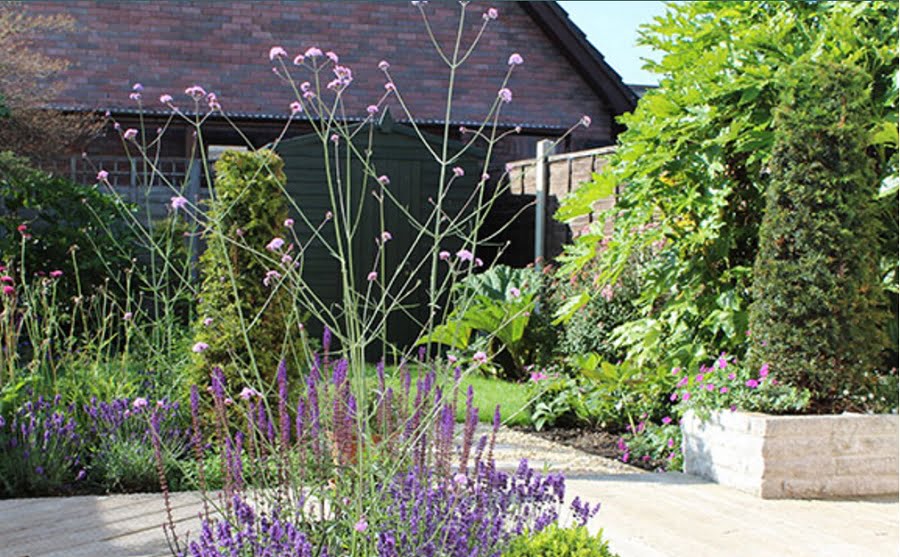
Environmental management: how to renovate a bored plot?
Designers answer what are the 3 best plants for the garden

Fruit trees online: how I ordered them and how I planted them