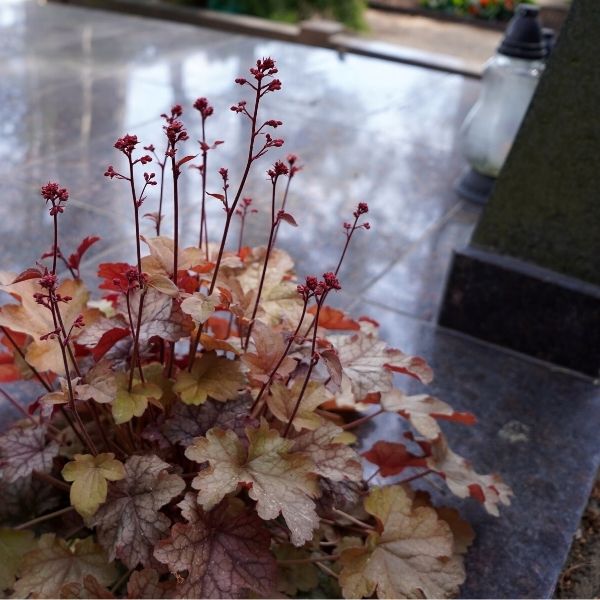
Fertilizing plants is a fundamental step for anyone who wants to grow a lush garden full of life. Whether you’re caring for houseplants or an urban garden, understanding when and how to fertilize can make all the difference. But let’s face it, choosing the right fertilizer can be a bit like choosing the perfect dress for a ceremony: you want it to be suitable but not too demanding.
What is meant by plant fertilization?
Fertilization is a way to provide plants with the nutrients they need to grow healthy and thriving. Just as we need a balanced diet to stay healthy, the same goes for plants. Essential elements such as nitrogen, phosphorus and potassium – often abbreviated to NPK – play a crucial role in plant development. These nutrients help root growth, flowering and fruiting.
When to fertilize plants and flowers
Now, one of the questions that plant lovers most frequently ask is: when to fertilize plants and flowers? In general, the active growing season, which runs from spring to early fall, is the ideal time. During this period, plants consume more energy and need a greater supply of nutrients. However, each species can have its own peculiarities, and inquiring about the specific plant you have at home is always recommended.
How to choose the right fertilizer
Choosing the right fertilizer may seem complicated, but with some basic knowledge it will become child’s play. Fertilizers are mainly divided into two categories: organic and chemical.
Organic fertilizers
Organic fertilizers are derived from natural materials and often improve soil structure as well. Compost and manure are great examples of organic fertilizers. These are ideal for those who want a more eco-friendly and sustainable approach to plant care.
Chemical fertilizers
Chemical fertilizers, on the other hand, are formulated to provide nutrients in a form that is easily assimilated by plants. Typically, they offer more immediate results, making them suitable for those looking for a quick solution to nutritional deficiency problems. However, they must be used carefully to avoid excess nutrients, which could damage the roots.
Fertilizer application techniques
When it comes to fertilizing plantsthe mode of application can greatly affect nutrient absorption. Let’s see together some of the most effective techniques and practical advice for applying them best.
Soil fertilization
Fertilizing directly to the soil is probably the most common method and involves spreading the fertilizer on the surface of the soil. Next, you need to water lightly to help the nutrients soak into the soil. This method is excellent for plants that require constant nutrition and is well suited to lawns and flower beds.
Foliar fertilization
An often underestimated technique is foliar fertilization. It involves spraying a nutrient solution directly onto the leaves of the plants. This method is particularly useful when you need to act quickly to correct nutritional deficiencies. However, be careful: it is most effective in the morning or late afternoon, when the sun is not too strong to avoid burning the leaves.
Drip fertilization
Modern technology also offers us drip fertilization, a practical solution for those with large cultivated spaces or a more automated approach to garden care. Drip irrigation systems can be easily configured to distribute liquid fertilizers along with water, ensuring a constant nutritional supply.
Common mistakes to avoid when fertilizing plants
Even the most passionate gardeners can make some mistakes, especially when it comes to fertilization. Here are some common mistakes to avoid:
- Excess fertilization: Too much fertilizer can burn plant roots. Always follow the instructions on the fertilizer packages and prefer small, more frequent doses.
- Fertilize in the wrong seasons: Remember that most plants go dormant during the winter and fertilizing them at this stage can be counterproductive.
- Apply fertilizers to stressed plants: If your plants are already under stress from lack of water or disease, fertilizing them will not improve the situation. Make sure they are healthy before applying fertilizer.
In conclusion
We have extensively explored the universe of fertilizing plantsfrom the basics to the most advanced techniques. Crucially, each plant is unique and requires a personalized approach. So, remember to observe the behavior of your plants to understand what type of nutrition is needed and when to administer it. Follow these tips and you will be well on your way to having a garden that is not only healthy but also glorious, that will be the envy of everyone who visits it. Happy growing!
Do you want to make your plants grow at their best? Discover on Le Georgiche everything you need to nourish and care for them in the best way: quality fertilizers, tools and plants for an always lush garden.
latest posts published

Tired of working in the garden? What can be done to reduce maintenance
How to successfully transplant a Christmas tree

Landscaping a new plot: where to start?

What grows in clay: This is what worked on Juste’s farm
Organic seeds: are they worth paying more for?
Preventive spraying of tomatoes with homemade remedies –
Environmental management: how to renovate a bored plot?
Designers answer what are the 3 best plants for the garden
Fruit trees online: how I ordered them and how I planted them