We are used to looking for hotels ready to welcome our animal friends, so much so that if you search for “pet-friendly” online the first suggestions are all about hotels or tourist destinations.
Yet, perhaps a little busy exploring the external territory, we forget our home, especially those things that we like so much and that make the environments special. Oh yes, you understood. We are referring precisely to plants.
So here is an article designed for you who want to know which plants are suitable for dogs, or which non-toxic houseplants for your cat, let’s clarify this important topic!
But first let’s take a step back.
You are returning from a day at work, one of those perhaps not particularly exciting.
The December cold has bypassed the jacket and cooled the skin just enough to give an annoying sensation of humidity.
The mood level is constantly decreasing, as is the desire to do anything other than sink under the covers.
You enter the house, finally sigh with a minimum of relief, but just at that moment you hear a noise.
Things?
The television left on? No, that’s not possible, you checked before going out.
The radio? But neither.
The few seconds you spend thinking and it’s too late.
It’s already on you.
A leap.
A paw.
A look.
Everything changes.
And now don’t be superior, we’ve all done it.
Goodbye to sighs and huffs.
“But hello! Who’s here? You’re here! Yes, you’re here!”
And immediately you are on the ground trying to pet the dog and at the same time dodge a lick in the face.
“Who has the most beautiful eyes in the world? You, of course you!”
And ok, we’ll spare you the rest, really, we know you did. It’s inevitable. You can’t resist.
Having a pet means having something capable of changing your day in an instant, making us feel loved, comforted and accepted.
Of course all this is reciprocated, we take care of them, we take them with us on our adventures and we do everything we can to make sure they are happy.
Included adapt our homes and gardens to their needs, all pet-friendly In short.
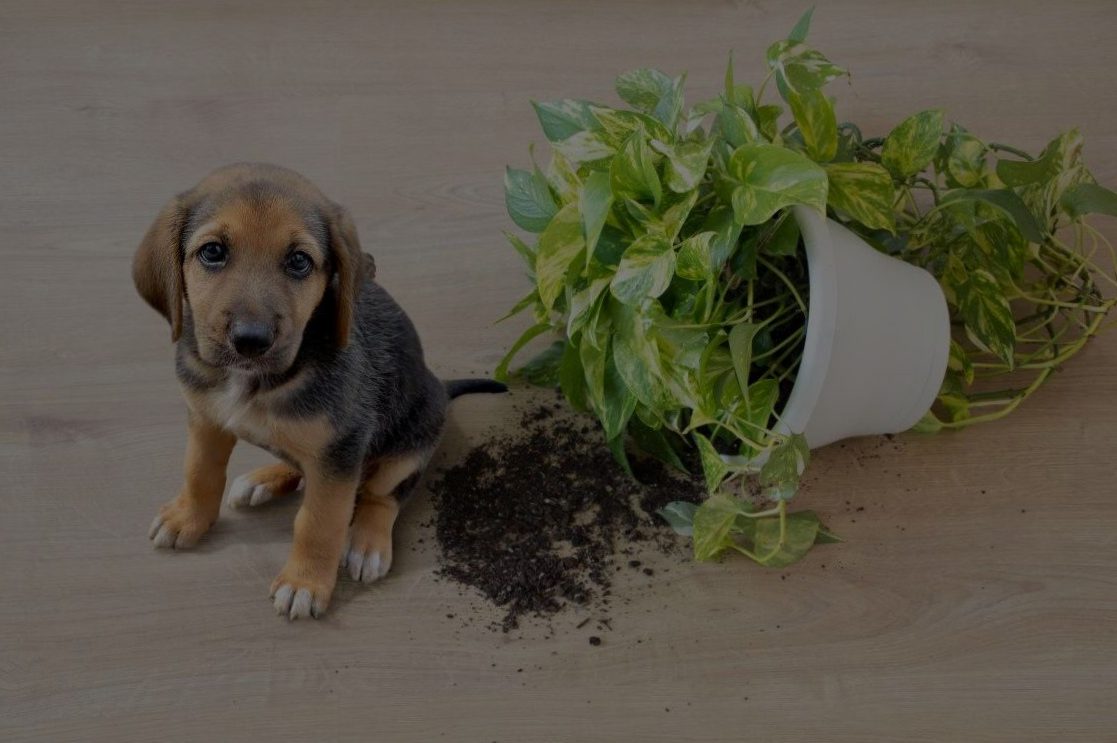
We know that the beautiful Philodendron that we saw and that we would have liked so much is bad for him, especially if we have a cat roaming around the house, so, even if a little reluctantly, we give up. Because yes, plants can sometimes be a source of danger for our best friends.
However, there is no reason to give up the joy of having one or more plants at home, you just need to choose the right ones! Some even, in addition to not hurting your dog or cat or rabbit or whatever animal you have chosen, will help it and improve the healthiness of the air you breathe.
6 PET-FRIENDLY PLANTS
So let’s get started right away 5 beautiful plants for our home and above all ideal for animal and human health!
-
Cyperus alternifolia
The Cyperus alternifolius (False papyrus) plant is a marshy perennial native to Africa and very widespread in Madagascar.
Produce thin stems up to 80-100 centimeters high which bear a tuft of leaves arranged in a radial pattern. It is also ideal for indoor growth, just keep in mind that it requires a lot of water to grow but the roots should not be left constantly immersed, furthermore the ideal to keep them healthy is to fertilize them once a month.
As far as exposure is concerned, it loves light very much, if you have the possibility, leave it in full sun, otherwise look for the sunniest and brightest position possible for it. Its ideal temperature is between 17° and 20°, but to make it survive it is enough to maintain at least 10°, even if it can tolerate up to 5°.
Positive note is that this plant is particularly disease resistantalthough, sometimes, they are subject to attacks by some insects.
But now let’s move on to the feature that can be most useful to us!
Is your cat meowing because he’s hungry but you’ve run out of kibble? Don’t panic and put that fish back in the fridge. Allow the kitten to chew the Cyperus leaves and the appetite will go away! This plant will not do any harm to your friend, just be careful not to let him munch on too many leaves or you will damage the appearance of the plant. Once finished, remove the eaten parts and wait for the new leaves to regrow spontaneously. -
Grass for cats
You surely know this one! It is a mix of grasses usually belonging to the Lolium (ryegrass) genus, thick and very green which offers a fresh vegetal supply for the cats who live with us, like Cyperus, your animal will be able to eat its leaves which, once cut, will regrow spontaneously.
Grass for cats It has countless beneficial properties in particular anti-inflammatory, it acts as a source of natural fibre, contributing to the elimination of ingested hairballs.
The growth of the plant is quite rapid and can reach 20-30 centimeters; when the blades of grass have a certain consistency, you will know that the time has come to put the vase “on the cat’s table”.
It loves bright places, but not direct sun and requires a lot of water, in fact it is necessary that its soil never dries out, although stagnation in the saucer must be avoided.
However, taking care of this plant is very simpleso much so that it reproduces quickly and is resistant to the most varied climates. -
Catnip (nepeta cataria or catnip in English)
This third point is not a duplication, rest assured. Normally when we talk about “Catnip” we include all types of grass, in reality these are divided into two large categories: purifying and euphoric.
While the cat grass we told you about before is a purifier, this catnip is instead a euphoric herb.
Catnip is much loved by cats and does not contain any substance that could damage their health or create a sort of addiction, in fact if the cat doesn’t smell it, it won’t look for it or want it!
Why do cats like it so much? Because it has the ability to improve their mood, relax them and accentuate some aspects of their character.
Want to know more about the difference between these two herbs? A much more detailed dedicated article will be released in the coming months.
Are you interested in other topics? Write to us on social media and let us know!
Nepeta cataria is an aromatic perennial with a mint scent, a plant with which it shares the botanical family (Lauraceae).
Rich in vitamins, it can induce vomiting, solving the problem of hairballs. Furthermore, it can also be used for people, for example in the kitchen, using the tenderest sprouts for salads and the leaves to flavor meat! The icing on the cake: if you want to escape stress and relax together with your cat, you can make an excellent infusion of nepeta cataria! -
Chlorophytum
Chlorophytum is a particularly beautiful and decorative houseplant. It has rosette-shaped foliage, variegated and cream-white or greenish-white in colour. The leaf is allowed to curl and bend. In summer it produces small yellow flowers gathered in inflorescences borne on long fleshy stems. It also tends to be very compact in size. It prefers a very bright environment but not direct sun, watering must be abundant in spring and summer, reduced in autumn-winter. For fertilization we suggest using a liquid fertilizer for green plants once a month.
And here is the real gem hidden in this plant: at the end of the 80s, NASA carried out research to understand which plants were most usefulin order to make the environment inside the space stations as pure as possible. According to a list compiled by the American space agency, this plant is capable of improve the quality of the air we breathe and limit domestic pollution. Filters out many pollutants including formaldehyde and other substances found in carpets, cleaning products and printer ink, benzene, carbon monoxide and xylene.
All this not only makes it harmless for our animals, but extremely positive for the environment we live in every day! -
Beaucarnea recurvata (Nolina, Smoke-Eating Plant)
Here we are with another houseplant. Also called “Smoke-Eating Plant” due to its ability to absorb harmful gases without suffering the consequences. It has a bottle-shaped stem, with a swelling in the basal part to store water (a shape that makes it similar to an elephant’s foot) and a tuft of long, thin leaves, often curled, of an intense green colour.
It loves very bright environments, it should be watered when the earth is dry and it is better to never let the temperature drop below 10° to avoid damage to the plant. The optimal fertilization is represented by liquid fertilizer for green plants administered once a month.
Do you remember the NASA research we told you about just a little while ago? Beaucarnea has also been included among the plants capable of improving the quality of the air we breathe and limit domestic pollution. -
Calathea
Calathea is a plant that we have already had the pleasure of getting to know, for those who also follow us on IGTV (or more generally on Instagram) we prepared a nice presentation video some time ago, for those who don’t yet follow us on social channels, what are you waiting for? You are missing all the updates from the nursery! Jokes aside (or almost), Calathea is a plant of which there are around 150 species, for example Calathea crocata produces beautiful, very decorative leaves dark metallic green in color with purple highlights and greyish spots. In summer it produces showy yellow-orange flowers. Instead, Calthea lancifolia sports leaves up to 45 centimeters long with dark green spots on the upper surface and rippled edges, while the lower part is red and in summer it is decorated with small yellow flowers.
These plants do not like too intense light and direct sun, furthermore the soil must be kept moist, avoiding water stagnation. Fertilization is best done twice a month with liquid fertilizer for green plants.
And even the magnificent Calathea ranked in NASA’s research! These plants are truly amazing!
We promised you 6 pet-friendly plants but we have a bonus!
Oh yes, they win point 7. le aromatic plantsthese plants are not poisonous to dogs and are perfect houseplants for those who have cats who like to gnaw on some leaves, although it is better to pay attention to those with a spicier or particular flavor that could annoy them.
Having reached the end of the article, let’s enjoy our home, the beautiful, decorative and harmless plants for dogs and cats (and animal friends in general), which have definitely won an extra round of scratchers!
latest posts published

Tired of working in the garden? What can be done to reduce maintenance
How to successfully transplant a Christmas tree

Landscaping a new plot: where to start?

What grows in clay: This is what worked on Juste’s farm
Organic seeds: are they worth paying more for?
Preventive spraying of tomatoes with homemade remedies –
Environmental management: how to renovate a bored plot?
Designers answer what are the 3 best plants for the garden
Fruit trees online: how I ordered them and how I planted them