Growing aromatic plants in your garden is a rewarding experience and, let me tell you, a true delight for the senses. Imagine the intense scent of rosemary, the freshness of mint or the inebriating aroma of basil that is released every time you caress a leaf. In addition to adding a unique touch to your dishes, the aromatic plants in the garden they can transform every green space into a small corner of fragrant paradise.
In this article I will guide you to discover the world of aromatic herbsgoing beyond the simple concept of gardening. We will see how these plants not only enrich the landscape and the table, but also improve the quality of daily life, bringing a sense of satisfaction and connection with nature.
From the choosing the right aromatic plants to their care and maintenance, you will find practical advice and useful tips to succeed grow aromatic plants in the garden successfully, even if you are a beginner.
Why grow aromatic plants in the garden
Cultivate aromatic plants in one’s own garden It’s not only a pleasure for the eyes, but also a smart way to improve the quality of everyday cooking. Have fresh aromatic herbs always at hand, it allows you to flavor every dish with 0 km flavour: just think of a pesto prepared with freshly harvested basilor a rosemary-flavored sauce.
In addition to the culinary value, the cultivation of aromatic plants enriches the garden with different textures, scents and colours. Many of these herbs, when they flower, are attractive bees and pollinatorspromoting biodiversity and making green space more alive and sustainable. Growing them at home also means reducing the environmental impact: less packaging, less transport and more freshness!
Growing aromatic plants in the garden: choosing the right aromatic plants
Growing aromatic plants in the garden: climate and space considerations
Cultivate aromatic plants in the garden requires careful evaluation of climate and of available spaceespecially if you want to get healthy, productive herbs all year round. In areas characterized by harsh wintersit is advisable to choose hardy perennials such as rosemary and sage, or grow more sensitive annuals in pots, such as basil, to be moved to shelter when temperatures drop.
Another fundamental aspect is thesun exposure and the quality of the soil. Most of the aromatic herbs It grows best in well-drained soil and a sunny position, which promotes aroma and vigor. Some species are an exception, such as the mintwhich prefers partial shade and slightly wetter soil. Evaluating these elements from the beginning allows you to create an aromatic corner that is beautiful to look at and easy to maintain.
Growing aromatic plants in the garden: the most popular aromatic plants
Here are some of the herbs more common and easier to grow that might find a special place in your garden:
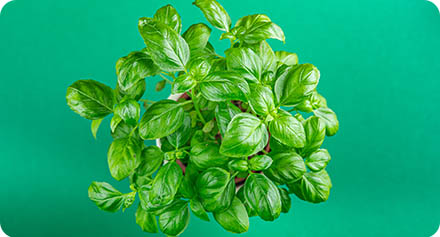
- Basil: perfect for flavoring Mediterranean dishes, loves the sun and requires regular watering.
- Rosemary: resistant and fragrant, ideal for meat and potato dishes. It grows well in dry, well-drained soil.
- Mint: very fresh and fragrant, perfect for tea and desserts. Prefers positions less exposed to direct sun.
- Sage: excellent for autumn dishes, grows in almost all conditions.
Each plant has its own unique needs, so taking the time to get to know each herb a little better will help ensure thriving growth.
Preparing the soil for aromatic plants
Soil testing and necessary amendments
Before planting your herbs, it is essential to do a soil test. Knowing the pH and composition of the soil will help you understand if you need to make any changes. Most herbs prefer a slightly acidic to neutral pH, i.e. between 6.0 and 7.0.
If your soil is too acidic, you can add calcareous material to raise the pH. Conversely, if it is too alkaline, adding acidic peat or ammonium sulfate can help balance it. A good drainage is crucial, so be sure to mix the soil with sand or perlite to improve aeration and prevent waterlogging.
Creating beds or pots
Once the ground has been prepared, it’s time to choose whether grow aromatic plants directly in the garden or use vases and containers. If space is limited or you want to experiment with different combinations, the cultivation in pots it is an ideal option: it offers greater flexibility, the ability to move plants based on light and more precise control over soil type.
If you prefer to create gods instead raised bedsmake sure you place them in an area that receives at least 6-8 hours of direct sunlight. Beds must be wide enough to accommodate larger species, but also designed to maintain adequate space between plants. Avoiding overcrowding is essential to ensure vigorous growth and good air circulation.
Care and maintenance of aromatic plants
Irrigation and draina
Not all aromatic plants have the same water needs. However, the general rule is to water regularly but avoiding excessive watering. A good practice is to wait for the topsoil to dry between waterings. This encourages the roots to expand seeking moisture, making the plants sturdier.
Fight parasites and diseases
Aromatic plants tend to be more resistant to parasites compared to other garden plants, thanks to their essential oils. However, they may still attract unwanted guests such as aphids, slugs and caterpillars.
For natural control, you can use solutions such as sprays based on soap and water but I prefer the aphid kit from Mio Orto Bio, effective organic products which fight harmful insects without damaging the environment, ideal for vegetable gardens, gardens and potted plants.
Pruning and harvesting
Regular pruning not only encourages more lush growth but also helps keep plants healthy. Collect the leaves in the morning when the essential oils are more concentrated, using sharp scissors to avoid damaging the branches.
Remember not to remove more than a third of the plant at a time to allow it to regenerate. Regular harvesting stimulates the production of new leaves and, consequently, extends the harvest season.
Create an aromatic corner of your own
Garden planning and design
Now that you know the basics, it’s time to plan the arrangement of your herbs. Consider a design that promotes bothaesthetics than functionality. You can create a spiral garden, which is not only visually appealing but also optimizes space. Plants that need more sun and less water should be placed in the upper part of the spiral, while those that prefer more humidity and shade can be placed lower.
Combine aromatic plants with flowers and ornamentals
Don’t limit yourself: aromatic herbs can be safely combined with flowers and other ornamental plants to create a multisensory landscape. Lavender and rosemary, for example, go well with daisies and geraniums, offering both a visual and olfactory contrast.
Expand your knowledge
As you gain experience in cultivation of aromatic plantsyou can expand your repertoire by introducing less common herbs like verbena or hyssop. These species, often underestimated, have particular characteristics and aromas that enrich yours aromatic garden with different scents and uses.
The benefits of growing aromatic plants in the garden
Grow aromatic plants in the garden or on the balcony it is an experience that enriches green space and daily life. Not only does it provide a more fragrant and welcoming environment, but it also offers a sustainable and healthy way to flavor your dishes, an educational opportunity to learn more about nature and a moment of relaxation.
Every time you pick up a leaf of fresh mint for tea or cuts of basil for the pastayou enter an ancient tradition that combines the art of cultivation with the pleasure of cooking. The aromatic gardening invites you to slow down, observe the rhythm of the seasons and enjoy the small pleasures of life. With the right knowledge and attention, you will be able to successfully grow your aromatic plants, transforming the garden into a refuge of scents and flavors.
On our store The Georgics you will find a wide selection of aromatic plants, seeds, soil and gardening accessoriesperfect for creating your own fragrant green corner, both in the garden and on the balcony. Discover all our proposals and start cultivating your natural space today.
latest posts published
Tired of working in the garden? What can be done to reduce maintenance
How to successfully transplant a Christmas tree

Landscaping a new plot: where to start?
What grows in clay: This is what worked on Juste’s farm
Organic seeds: are they worth paying more for?

Preventive spraying of tomatoes with homemade remedies –
Environmental management: how to renovate a bored plot?
Designers answer what are the 3 best plants for the garden
Fruit trees online: how I ordered them and how I planted them