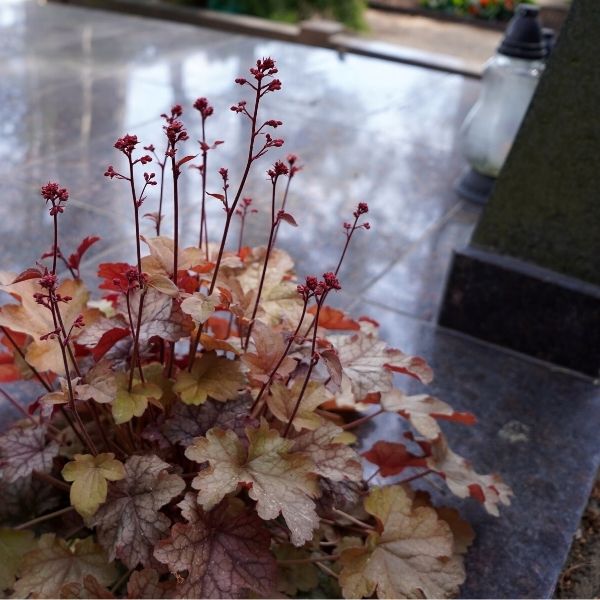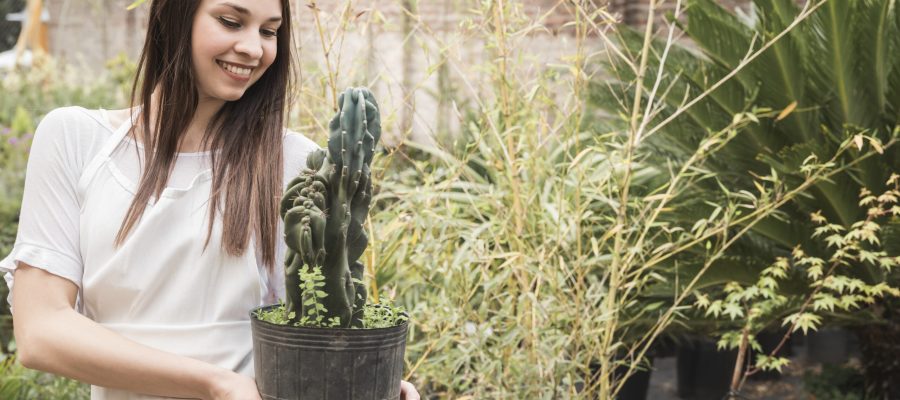
Furnishing the garden with plants is an art that combines natural beauty with the functionality of outdoor spaces, transforming every green corner into an oasis of tranquility and well-being. Whether your garden is a large expanse or a welcoming urban balcony, the wise use of plants can make the difference, giving you an environment that not only attracts the eye, but also offers a refuge from the frenetic pace of everyday life. In this article, we will explore practical solutions for furnishing the garden with plants, discovering how to transform a green space into a real extension of your home.
Choosing the Right Plants for Your Garden
Choosing the right plants is essential to creating a garden that reflects your personal tastes and can adapt to the specific conditions of your space. Consider things like sun exposure, soil type, and the climate in your area. Perennial plants, for example, offer long-lasting solutions, while annuals allow you to experiment with different colors and shapes every year.
Climatic Considerations
Before diving into your selection, it’s important to take your local climate into account. Some plants thrive in a hot, dry environment, while others prefer humidity and coolness. Choosing native plants can be a wise move, as they are already adapted to the climate and require less maintenance.
Variety of Plants
The varieties to consider are nearly endless, but some common choices include:
- Flowering plants: such as roses, geraniums and daisies, to add color and liveliness.
- Evergreen plants: like cypresses or camellias, to guarantee a green presence all year round.
- Aromatic herbs: such as basil, rosemary and lavender, for a fragrant and versatile garden.
Creating Thematic Areas in the Garden
Defining thematic areas within your garden can transform the space into a small personal paradise. Whether you want a meditative corner or a space to host friends, visually segmenting the garden will help keep it tidy and welcoming.
Relaxation corner
A relaxation area could include a simple bench surrounded by fragrant plants such as jasmine or lavender. This creates an inviting corner where you can enjoy a good book or simply relax outdoors.
Space to socialize
For those who love receiving guests, an area dedicated to gatherings with friends and family is essential. Consider surrounding an outdoor table with tall plants that offer a feeling of privacy and seclusion, while remaining part of the larger garden.
Use Creative Vases and Containers
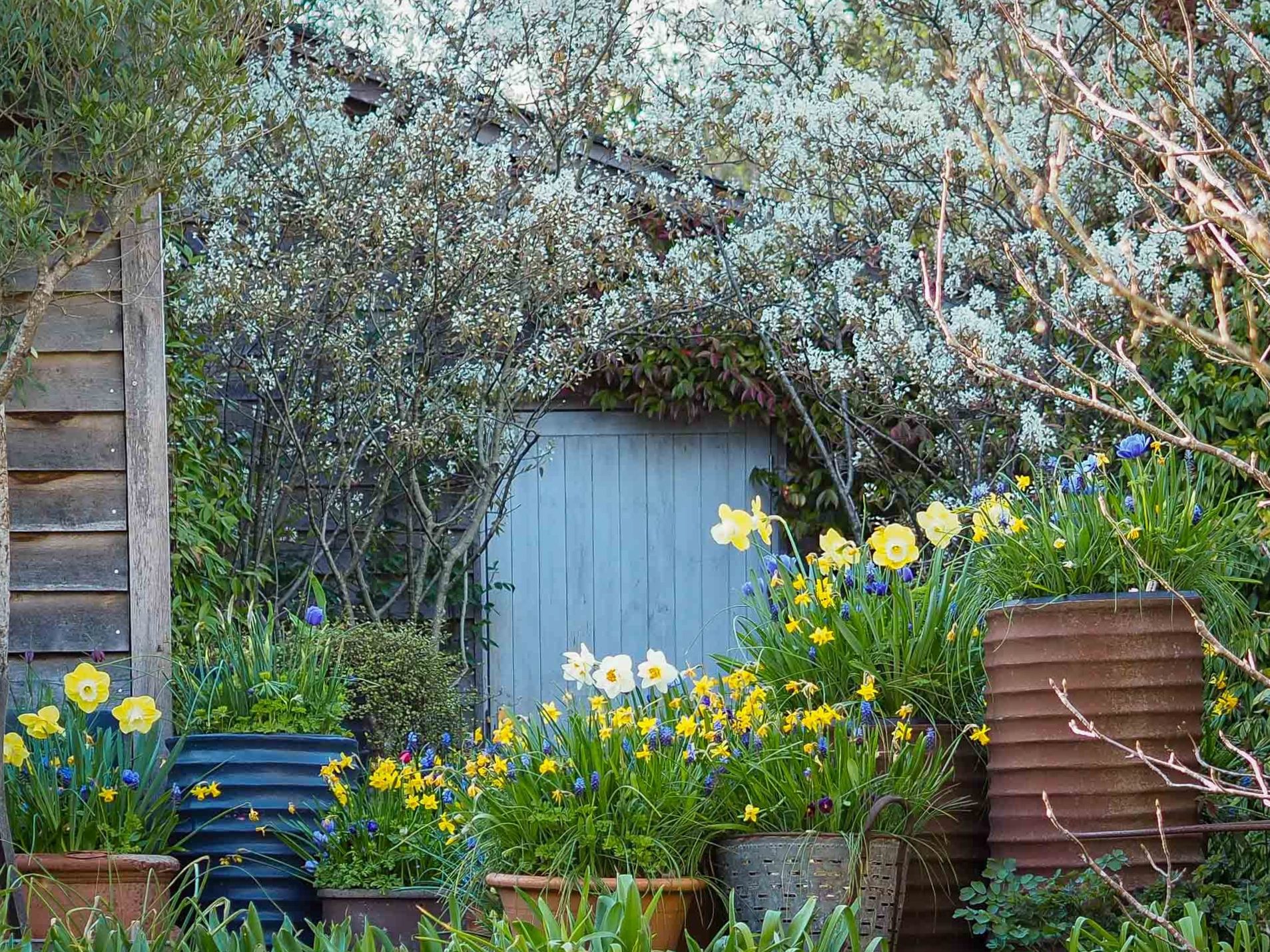
When it comes to decorating your garden with plants, using creative pots and containers is a great way to add personality and style. These elements not only optimize the available space, but also allow you to experiment with different plant combinations without the constraints of the traditional garden.
Advantages of Containers
The use of containers offers numerous advantages:
- Flexibility: They can be easily moved to change the layout of the garden depending on the seasons or specific needs.
- Versatility: They allow you to grow a wide range of plants that might not otherwise thrive in your local soil.
- Personalized Design: Available in infinite shapes and materials, pots become fundamental elements of garden design.
Ideas for Creative Vases
Not all containers have to be traditional! Consider these ideas to add a unique touch to your yard:
- Old Barrels and Buckets: They can be reused as vases for large plants or groups of flowers.
- Metal Cans: Perfect for aromatic plants in a corner of the outdoor kitchen.
- Wicker baskets: Ideal for hanging flowers, adding a rustic atmosphere.
Integrate Plant Sculptures and Hedges
Plant sculptures and hedges offer an interesting dimension, adding structure and an artistic feel to your garden. These elements can be used to create focal points or as natural dividers between different areas of the garden.
Topiary: The art of plant sculpture
Topiary consists of pruning plants into artistic shapes. It’s an incredible way to express creativity and talent. With patience and practice, you can create intricate shapes from plants like boxwood, yew, or privet.
Hedges and Green Barriers
Hedges not only offer privacy, but also serve to protect the garden from wind and weather. Evergreen species like cypress or laurel offer a dense, substantial look, while flowering hedges, like forsythia, add seasonal color.
Lighting to Enhance Plants
The right lighting can transform your garden into a magical place, extending the time you can spend outdoors even after the sun goes down. Using solar-powered lights is not only eco-friendly but also creates a charming atmosphere.
Types of Lighting
Garden lighting can be divided into various categories:
- Accentuation lights: Perfect for highlighting particular trees or plant sculptures.
- Path lights: Ideal for delineating paths and passages, improving safety and aesthetics.
- Hanging lights: As lanterns or string lights, which offer a romantic and welcoming atmosphere for summer evenings.
Integrating these elements into your garden will help you enhance the plants and create a unique atmosphere that will fascinate all your visitors.
Garden Maintenance: Tips and Tricks
A garden well furnished with plants not only requires careful initial planning, but also ongoing maintenance to keep its beauty alive and vibrant. Here are some practical tips to ensure your garden shines all year round.
Efficient Irrigation
Making sure your plants get the right amount of water is crucial:
- Drip Irrigation Systems: Ideal for providing water directly to plant roots, reducing waste and keeping the soil evenly moist.
- Use of Mulch: A good layer of mulch helps maintain moisture in the soil and reduces weed growth.
Pruning program
Regular pruning helps keep plants healthy and promote lush growth:
- Pruning of aromatic herbs: Cutting young shoots encourages thicker, lusher growth.
- Maintenance of Hedges and Topiaries: Provide seasonal pruning to maintain the desired artistic shapes.
Benefits of Gardening for Personal Wellbeing
Furnishing the garden with plants is not just an aesthetic issue, but also offers numerous benefits for personal well-being. Spending time tending your garden can be a therapeutic activity, helping to reduce stress and improve mental health.
Moderate Physical Activity
Gardening involves a series of movements that contribute to physical well-being:
- Strengthens the muscles: Activities such as raking leaves or hoeing the soil.
- Improve Flexibility: Bending, reaching, and moving from one place to another.
Connection with Nature
Being surrounded by greenery has a calming effect on the mind:
- Stress Reduction: Exposure to nature lowers levels of cortisol, the stress hormone.
- Mood Improvement: Contact with plants and monitoring their growth makes people happier.
In conclusion
Decorating your garden with plants is a wonderful way to expand your living space and create a harmonious environment. It doesn’t matter the type of garden at your disposal, the important thing is to approach it with creativity and love for nature. By following these tips and letting your personal style guide your choices, you can transform any outdoor space into a welcoming green haven. With regular maintenance and careful selection of plants, your garden will become an enchanting place that will offer you countless moments of joy and serenity.
On the our Le Georgiche store you will find a vast selection of garden plants, pots and accessories to transform your outdoor spaces into a green and welcoming oasis. Click here and discover all the available solutions.
latest posts published
Tired of working in the garden? What can be done to reduce maintenance
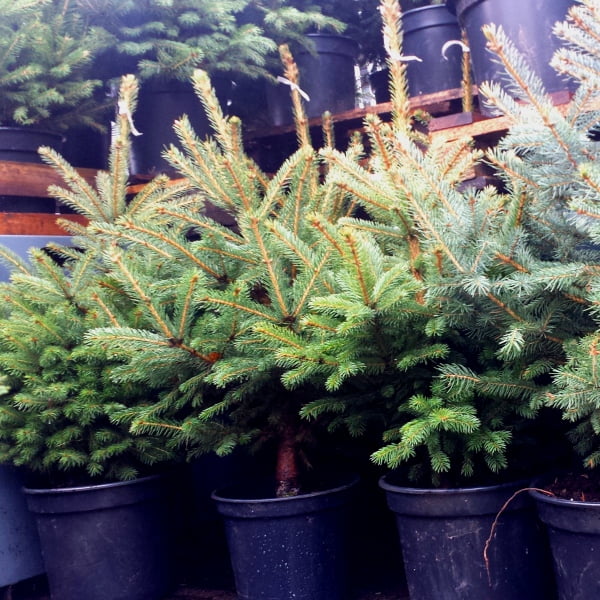
How to successfully transplant a Christmas tree
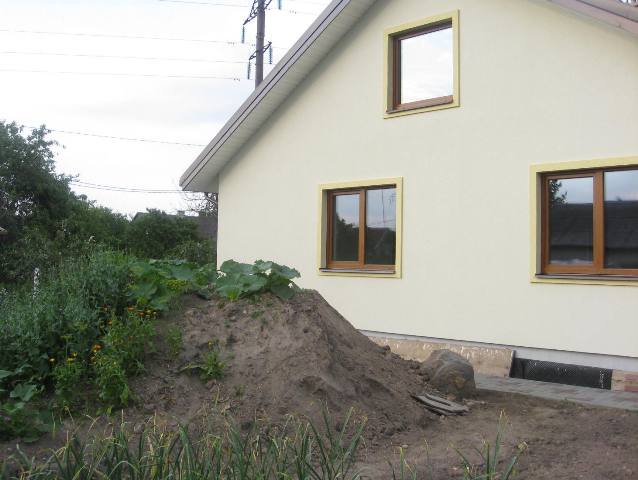
Landscaping a new plot: where to start?
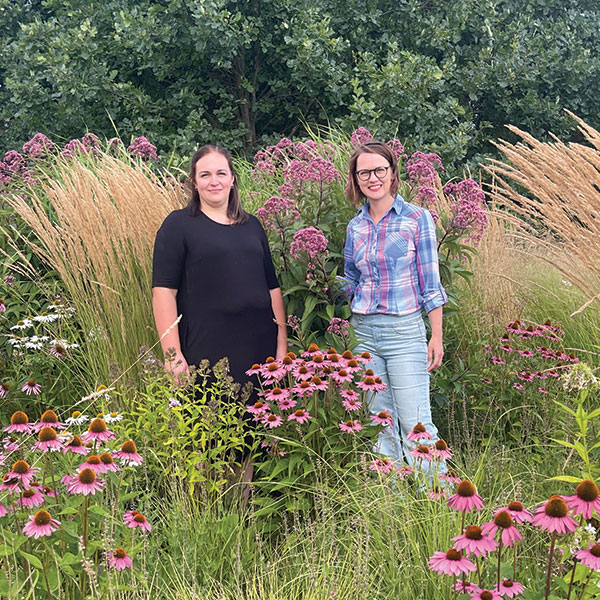
What grows in clay: This is what worked on Juste’s farm

Organic seeds: are they worth paying more for?

Preventive spraying of tomatoes with homemade remedies –
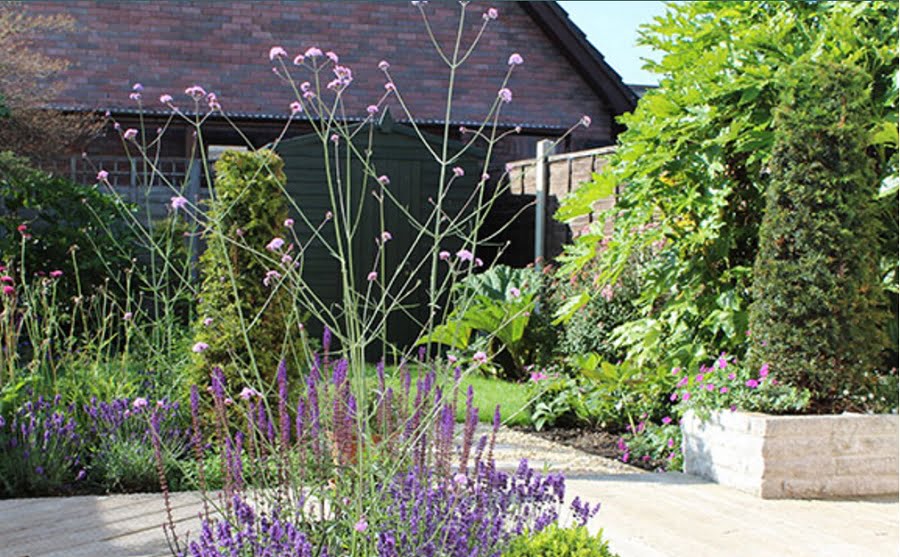
Environmental management: how to renovate a bored plot?
Designers answer what are the 3 best plants for the garden
Fruit trees online: how I ordered them and how I planted them