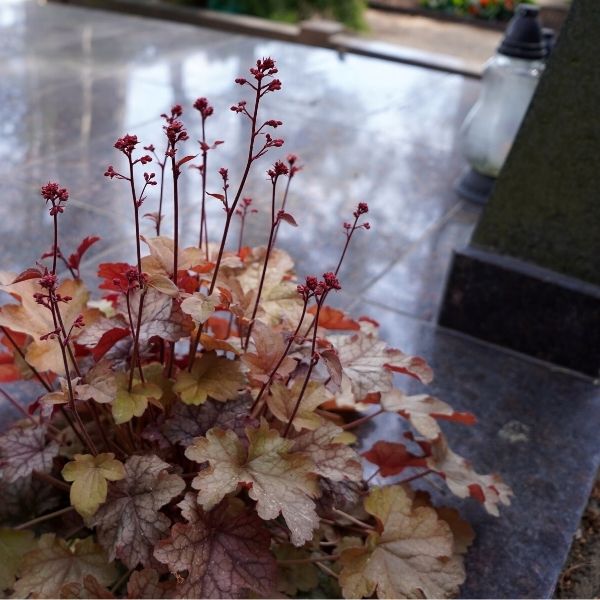
THE classification of plants is a fascinating topic that helps us better understand the extraordinary variety of plant kingdom. When we observe a botanical garden or simply walk in a park, we find ourselves surrounded by different shapes, colors and scents: each plant tells a story. Thanks to classification systems we can read and interpret this natural language, transforming the complexity of the green world into clear and understandable categories.
But how exactly do you classify plants? And what criteria allow experts to divide plants into ordered groups?
To understand this process we must start from a simple idea: classifying plants is not just theory. It is a way to interpret what surrounds us every day. When we choose the species for the gardenwe cook with aromatic herbs or admire the vegetation during a walk in the woods, we come into contact with very different plants, each with unique characteristics and an essential role in the ecosystem. Knowing their classification allows us to truly appreciate them and recognize their functions, origins and evolutionary links.
Classification of plants: an essential introduction
To understand how classify plantsIt is essential to know some criteria that allow you to identify them precisely. Even without being expert botanists, we can learn to read the “language” of plants by observing elements such as stemleaves and other plant organs. These details, often underestimated, are the basis of modern botanical classification.
One of the most intuitive methods is precisely the classification of plants based on stem. This subdivision allows us to distinguish three large groups: herbaceous plants, bushes And trees.
- Herbaceous plants: they have a soft and non-woody stem. They are often seasonal and include many common species such as basil, mint or marigold.
- Shrubs: they have a woody and more robust stem, but do not reach the height of trees. Typical examples are rosemary, lavender or viburnum.
- Trees: these are large plants, with a well-developed woody trunk. Oaks, pines, lime trees and plane trees are some of the best-known representatives.
Understanding these differences makes it much easier to navigate world of plants and quickly recognize the main types present in gardens, parks and natural environments.
Plants and leaves: a fascinating classification

Another very useful criterion in classification of plants concerns the leavesone of the most characteristic and recognizable elements. Shape, size, color and arrangement provide precious clues to identify a species and understand which botanical group it belongs to.
The leaves can be of two main types:
- Simple leaves: characterized by a single leaf blade, like those of the olive tree or ficus.
- Compound leaves: formed by several leaflets arranged along the petiole, as in the case of the rose or ash.
Observing leaves does not only mean recognizing a plant, but also understanding their function. Through the photosynthesis (do you want to know more? Here is the perfect article), in fact, leaves transform sunlight into energy, an essential process for the growth of plants and for the balance of the entire ecosystem. Each leaf, regardless of shape, contributes to keeping nature’s cycle alive.
Botanical classification of plants: a great universal scheme
The vast system of botanical classification of plants it is based on a scientific method that organizes species into a hierarchical structure: families, orders, classes and many other levels. It is a scheme built over the centuries, continuously updated thanks to new discoveries and genetic analyzes that allow us to better understand the relationships between the various plants.
Among the best-known methods, the system introduced by stands out Carl Linnaeusconsidered the father of modern classification. Linnaeus developed the binomial nomenclaturea universal system that assigns each plant a name composed of two Latin terms: the type and the species. It is a shared language that allows you to unambiguously identify any plant, anywhere in the world.
A very simple example is that of dog rosewhose scientific name is dog rose: “Rose” indicates the genus, while “canine” specifies the species. This international coding makes it possible to consistently classify millions of different specimens, linking plants that can grow thousands of kilometers apart.
Classification of plants: simple scheme
At this point it might seem that the classification of plants is a task reserved only for botanists. In reality there is a much simpler and more accessible way for everyone to orient themselves in the plant world. Just look at some easily recognizable elements: the leaf structurethe type of flower, the shape and consistency of the stem.
A practical and intuitive scheme is what distinguishes plants in annual, biennials And perennial:
- Annual plants: they complete the entire life cycle in a single season, from germination to seed production. Common examples are peas, marigolds, and many fast-growing vegetable plants.
- Biennial plants: they take two years to complete their cycle. In the first they produce leaves and roots, in the second they flower and form seeds. Carrots and onions are among the best-known biennials.
- Perennial plants: They live for many years, producing new leaves and flowers each season. Roses, lilies and many ornamental plants belong to this group which is so widespread in gardens.
This plant classification schemeDespite being simple, it allows you to quickly understand the main characteristics of the most common species and learn to recognize them by observing them closely.
Classifying plants: why is it so important?
You may be wondering why this is so important classify plants. In reality, the botanical classification it’s not just a teaching tool: it has practical applications and a real impact on the environment and our daily lives. Knowing how to classify plants is essential for caring for gardenpreserve biodiversity and protect species at risk.
Just think of the role of classification in agriculture and horticulture. Farmers and gardeners rely on accurate grading systems to choose varieties best suited to the climate and soil, optimize plant growth and plan for efficient harvests. Furthermore, correct classification allows scientists to study how plants adapt to climate change and how they interact with each other and with animals within ecosystems.
In short, knowing the rules of classification helps us understand the plant world in depth and take care of it in a conscious and sustainable way.
The role of technology in plant classification
Today technology plays a fundamental role in classification of plants. Tools like Online botanical databasesImage recognition software and mobile apps allow you to explore the plant world more quickly and in depth. These technologies make plant identification and classification more accessible, facilitating information sharing globally and supporting both researchers and gardening enthusiasts.
Thanks to these digital tools, we can combine traditional botanical knowledge with modern innovations, creating a more detailed and dynamic view of plant kingdom. Integrate digital technologies with one plant classification scheme it allows not only to manage natural resources in a sustainable way, but also to raise awareness among more people about the importance of biodiversity and greenery care.
The future of plant classification
Preserve the future, botanical classification of plants will continue to evolve with new research tools and methods. Advanced techniques such as genomics and the molecular biology they are opening new horizons, allowing us to understand evolutionary relationships between plants that until a few years ago were invisible to traditional studies.
The future of classification of plants It therefore appears full of possibilities, with enormous potential for discovery and innovation. Continue to explore the plant world not only will it enrich our scientific knowledge, but it will also be able to offer practical solutions to address environmental and social challenges, promoting more sustainable management of biodiversity and natural resources.
Our relationship with plants
In conclusion, the classification of plants it is a fundamental tool for deepening knowledge and appreciation of plant kingdom. Whether you are a gardening enthusiast, a botany student or simply a nature lover, understanding and recognizing plants allows you to come into contact with the surrounding environment in a more conscious way, respecting and enhancing the extraordinary biodiversity of our planet.
The next time you find yourself in a park or a gardentake a moment to observe the plants around you. Each leaf, flower and stem tells a unique story: by listening to them, you may discover a new appreciation for the greenery around us and feel a deeper connection with the beauty of nature.
latest posts published

Tired of working in the garden? What can be done to reduce maintenance
How to successfully transplant a Christmas tree

Landscaping a new plot: where to start?
What grows in clay: This is what worked on Juste’s farm
Organic seeds: are they worth paying more for?

Preventive spraying of tomatoes with homemade remedies –

Environmental management: how to renovate a bored plot?

Designers answer what are the 3 best plants for the garden
Fruit trees online: how I ordered them and how I planted them