Does the thought of constantly mowing the lawn and pulling weeds make your hair stand on end? Did you want a house for the feeling of freedom, to create your own family space, for quiet evenings in the yard and not for constant work with plants? Designing the environment of the house is a job that you need to think about immediately after construction, so that you don’t have to worry about it later.
MAKE A DRAWING OF THE ENVIRONMENT
Sit down one evening with your family and list all the items you would like to have in your garden: terrace, hammock, outdoor kitchen, vegetable garden, aviary, trampoline, water features, fruit trees, etc. All members of your family must participate in this step, because the garden must please everyone. Even if you take a landscaping course or hire a professional, you will still have to do this step yourself.
Take a topographic photo of your land and try to arrange all those elements on a copy of it. Can’t you adapt? Discuss what to eliminate. Space? Great, now all we have to do is choose the best places for them.
If you don’t plan the garden in advance and create the environment in a chaotic way, you will later have to mow in a hard-to-reach part of the land, tear up the sod when you decide to move the plants to another place, buy umbrellas in a hot part of the land, redo a path that is too narrow or out of place, create barriers to hide greenhouses, buy expensive pots because you didn’t leave a space for the plants, etc. You see, planning your home environment includes many different things. elements of things.
It is not necessary to have a detailed landscaping project – a clear sketch that you will make yourself in landscaping courses or that a garden designer will make for you (if the views coincide) will be enough.
USE WHAT YOU HAVE
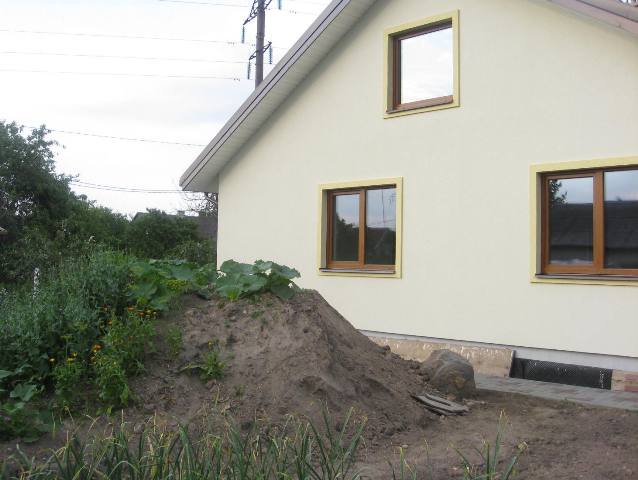
If your building is new, you have a mountain of dirt moved into your yard. This is topsoil, the top layer of earth, that is pushed into a large pile before construction. The bottom layer is bare – you probably noticed that the entire lot was not covered with grass during construction. And the top layer is a gold mine: entire colonies of microorganisms live here, cockroaches, mites, fungi, microbes, earthworms… Plants need them to grow successfully. Therefore, do not remove that mountain of soil in any way, and after construction, spread it again on the ground where the plants will grow.
I have heard that builders or representatives of individual housing estates organize land clearing, ostensibly to keep the land tidy. Don’t leave it because it is your asset that you will make the best use of.
If the soil has already been removed or if soil is missing, you will have to order trucks to bring it. This is a considerable expense. If you think that imported land will be better than yours, you may be very disappointed. Perennial weed seeds germinate a lot and are sometimes so small that you don’t even notice them. The land that is brought is nothing more special. So if you can, use what you have.
LESS LAWN, MORE PLANTS
This idea seems revolutionary: how can you have less lawn? Right. The lawn is the most time-consuming element of the plot. Mow, irrigate, fertilize, aerate, scarify, fight weeds… Even today, many settlers install large areas of lawn for two reasons: for easy maintenance and because the area visually increases. But we want to refute both of these claims!
During the season the lawn should be mowed at least once a week. The larger the area, the longer it will take to mow. If you spend an hour on it, multiply it by how many times a year you will have to mow and you will see how many hours it will take. People are in vain afraid of flowering bushes, fruit bushes, trees and argue that the leaves should be raked. However, the time required will be incomparably less than that required to mow the lawn. In addition, herbaceous perennials only need cosmetic care for weeds and cutting the remaining above-ground part after winter.
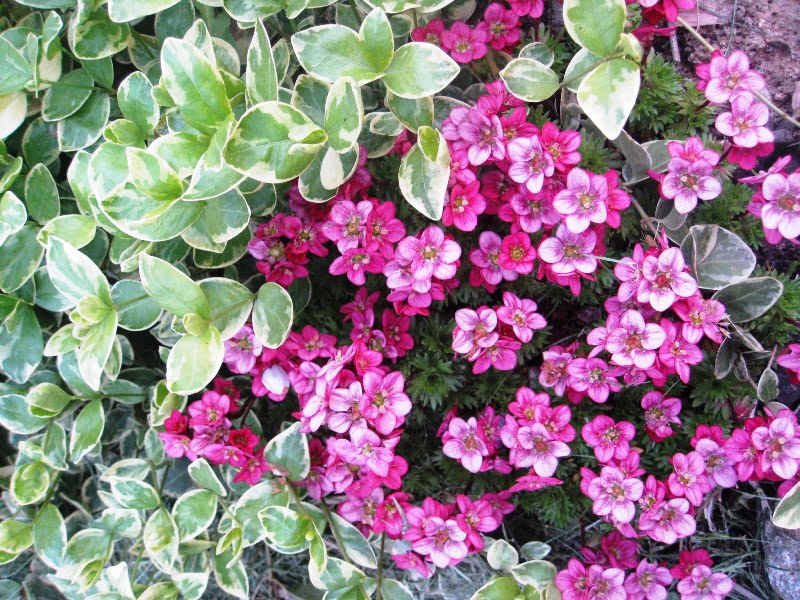
Therefore, sow the lawn only as much as is actually necessary. Elsewhere replace it with flowering shrubs, perennial flower beds, carpet plants. The yard will look lush and rich.
SIMPLIFIES LAWN CARE
Planning your home environment also includes how much lawn you want to have. Since lawns are the biggest time waster when it comes to yard maintenance, it’s important to think about how we can make our lives easier. Some of these tips will involve a larger investment: you can choose between spending more money or spending more time on maintenance. And some tips are just about smart planning.
-
- Do not plant in the lawn. Make a clear distinction between the plant area and the lawn area. The more plants there are in the lawn, the longer it will take to get around each plant with the mower. Furthermore, there will always be a risk of accidentally hooking and injuring the plant. A clean, plant-free lawn is a quick and easy mowing job.
- Separate the lawn area from other plants with special partitions, the most convenient – with plastic sides. They are buried in the ground, you can’t see anything visually, but they do their job. Lawn grass does not spread in the plant area, so there is no need to constantly dig and reform the line. You save a lot of time for your future work, which can be completely abandoned.
- Buy quality grass cutting equipment. A robotic lawnmower is definitely the best option if you can afford it. In addition to the robot, there is a wide choice of what to mow – choose based on the size of your lawn and your finances. With a better device, you will cut faster, the cut will be more uniform, the work will go smoothly and without swearing.
If you have a small lawn, an empty area with no plants, and a good lawn mower, you can save a lot of time in the long run and have a beautiful lawn without the annual investment. As? Mow more often. The perfect option: the grass does not have time to grow high, so you only cut the tips, which the lawnmower shreds right there and throws them back into the grass. Those tiny bits decompose quickly and become mulch. In other words, you are fertilizing your lawn for free.
ANTICIPATE THE FLOWER IMMEDIATELY
If you think that all you need is a lawn and a hedge and you have no other needs for the environment, then you are telling yourself to take care of the future. Thujas and hedges get tired over time. When the darkness of winter comes and the bright yellow forsythia bloom in spring, when the tulips turn white, when the lilacs begin to bloom, when the scent of jasmine and the magic of roses begins to affect everyone – and you.
In the course we meet many people who start in exactly the same way: sowing a lawn and planting a hedge. Subsequently, however, pots of flowers are placed on the terrace, and annual flowering plants begin to appear at the edges of the lawn. Planning your home environment will at least give you an idea of where to plant your flowers if you change your mind.
Both growing in pots and continuously rotating and weeding annual flowers are real time suckers. Pots need to be watered daily, flowers that have bloomed often need to be torn off, young annual seedlings need to be carefully and daily looked after, transplanted, weeding out the spaces between them. Therefore, we recommend that you immediately plan a place for flower beds.
CHOOSE RESISTANT AND LOW-DEMANDING PLANTS
Planning your home environment also includes which plants are best to plant in the yard. Do you want less work? Don’t chase the exotic. Tested vegetable plants, resistant to diseases, winter cold, not afraid of pests, not prone to getting sick.
Plant according to the current situation: Do not plant sun-loving plants in the shade and moisture-loving plants in a dry place. This means that if your soil is sandy, you will not plant roses there, and if your soil is not acidic, you will not plant rhododendrons. Adapting existing conditions to the plant is artificial and temporary: the plant will continue to feel unwell, it will be more attacked by diseases, the plant itself will not be strong and healthy. So, if you want less hassle and less work, choose plants based on the situation you have.
Are there plants for both sand and full shade? Yes, and there is also something to choose from. Take a look at the naturalistic landscaping style: the soil is not particularly improved, the plants are selected based on existing conditions, and the beauty is unexpressed. It’s more work to plan one and select the plants, but there will be very little maintenance afterward. You will need attention only in the first year until it takes root, and subsequent care can be called more management: reduce what is too much, what has grown – remove. No empty areas of land to constantly weed.
latest posts published
Tired of working in the garden? What can be done to reduce maintenance
How to successfully transplant a Christmas tree
Landscaping a new plot: where to start?
What grows in clay: This is what worked on Juste’s farm

Organic seeds: are they worth paying more for?

Preventive spraying of tomatoes with homemade remedies –
Environmental management: how to renovate a bored plot?
Designers answer what are the 3 best plants for the garden
Fruit trees online: how I ordered them and how I planted them