The sight, the smell, the touch, the sounds – everything contributes to an overall impression of your garden, which immediately impresses or simply doesn’t fit and sound right. Sound is one of the components of an elegant and welcoming garden, and Vilma Gudynienė and Sandra Kanapeccaitė, speakers at the environmental design conference “Garden Style” held in August, will recommend a plant that can help create the sound of the garden – this hawthorn.
WHERE DOES THE SOUND COME FROM IN THE GARDEN
The roaring sounds of the city don’t create coziness, but you can always find ways to improve the sound background. In a country house, a pleasant sound occurs naturally, but even in a small suburban plot you can hear the rustling of trees and the rustling of leaves.
The more rigorous the garden design, the more hard surfaces, grassy areas, structures, the less noise.
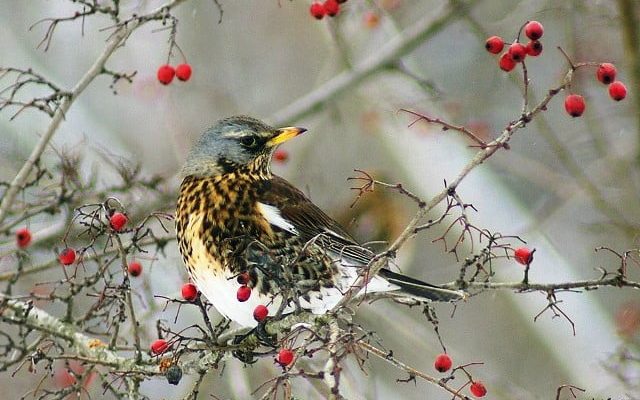
Moreover of free-growing plants, of tall sedges, of water, of birds, the most pleasant sounds. Water popping is a great way to create a unique sound in your garden. But the chirping of birds is even brighter, more diverse, more interesting.
The myth prevailsthat it is not worth inviting birds into your yard, because they will eat all the useful berries or fruits. But in reality only some birds that fly suddenly and in flocks cause such damage, while all others that live here permanently or fly here at certain times positively affect the existing ecosystem. The more diverse the wildlife in your garden, the fewer pests attack, the plants adapt better and look healthier. And the sound is more beautiful with birds chirping.
If you have ever been in a garden where there are no other birds, but many of them, you will agree that the impression is unique. Furthermore, every day is different, every hour is different. Some birds visit in the morning, others chirp during the day, all is quiet when it rains, and in the evening the song changes again. It’s fun to celebrate when a rarer species of woodpecker finds your yard, or to see a house sparrow look for an empty spot while a much larger jackdaw is feeding, and a firefly’s orange bib flashes in the bush. Entire stories follow one after another, accompanied by various sounds.
Nests are usually raised and feeders fixed to attract birds. The most natural way is to grow plants that keep berries or fruits for a long time. Hawthorn – one of those, which is definitely worth growing both on a farm and in a modern plot in the very center of the city.
HAWLEY – AN UNDESERVEDLY FORGOTTEN PLANT
Hawthorn is an undeservedly forgotten plant, says the speaker at the “Garden Style” conference, a botanist Vilma Gudynienė. Hawthorn is a subfamily of apple trees from the thorn family, so it has thorns and in the second half of the year it ripens not berries, but vitamin apples.
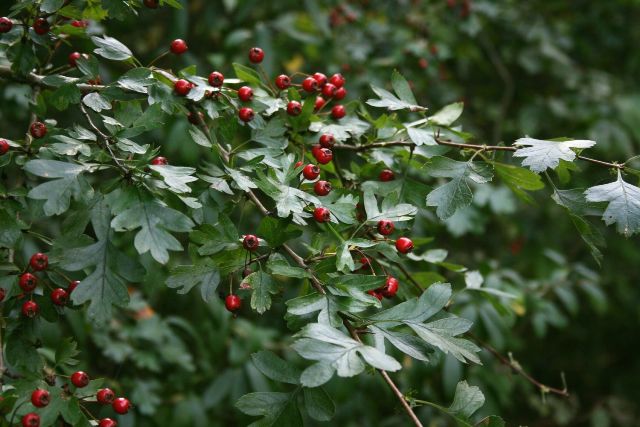
These are the apples – yellow, orange or red that last all winter and even into spring – that attract birds to feed. Hawthorn fruits useful not only for birds, they are also used in medicine. Flowers and fruits the preparations are used in case of various ailments and above all to reduce blood pressure, tone the heart muscles and strengthen blood circulation. Those familiar with folk medicine have known hawthorn for a long time. A real tree of life, which gives energy to man and his garden. We usually know the hawthorn as a tree (2-7 meters high), a bush or a hedge. Some also call its fruits Krakatus. However, the hawthorn can decorate the environment not only with fruits, but also with rings. At the end of May – June they delight the eyes of the owner and bees with fruits of white inflorescences, the umbels of which consist of about twenty white flowers.
Among these there are various forms of hawthorn bloom in other colors. One of the most beautiful is the smooth hawthorn ‘Paul’s Scarlet’, which blooms with deep pink flowers.
The hawthorns that grow naturally in Lithuania have adapted to local climatic conditions and are therefore resistant to frost. Perhaps this genus of plants from the thorn family is less resistant to bacterial downy mildew.
HAWLEY’S PLACE ON MODERN GROUND
Hawthorn formation is common like a hedge – it compacts so well that it becomes like barbed wire: neither a cat nor an unknown dog will pass through it. When shaping it is necessary to cut many flowers, so that not many apples remain on the bushes. However, birds will benefit from the density of the hedge, as they will be able to build their nests there to protect themselves from cats or other predators.
V. Gudynienė argues that with intelligent planning even such coverage can be created special bird lodges. A feeder installed in such a corner would attract both larger and smaller birds that stay in our region or come to winter from abroad. On cold winter days, the colorful chickadees dining and chirping in their apple inn are a lovely sight to watch outside the dining room window.
Landscape architect Sandra Kanapeckaitė states that hawthorn is easy to apply, creating modern garden design. First of all because many of them can grow on different soils, tolerate drought, pollution and low temperatures. The following species and varieties are worth mentioning: Crataegus x lavalleei, Crataegus ‘Carrierei’, Crataegus monogyna (single pistil), Crataegus mollis (soft), Crataegus punctata (dotted), Crataegus ‘Pink Corkscrew’. In addition, nurseries offer the purchase of hawthorns in the shape of single- or multi-stem trees, with free-growing, globose or columnar crowns. From unlimited possibilities to create: it is possible to form avenues, paths, expressive accents, use in mixed compositions, free-growing hedges or form structures with compact shapes. The specialist recommends growing at least one hawthorn in a smaller garden, and even installing a whole grove of it in a larger one. Imagine the soundtrack of these hawthorn forests filled with chirping birds.
With a more spacious plot, give the birds even more: combine hawthorns with others long lasting berries trees and shrubs: rowan, aronia, thistle.
An even more interesting solution – multi-stemmed hawthorn: This is not an ordinary bush, but a specially shaped tree. This would look very natural and naturalistic against the backdrop of a modern architecture house, emphasizing the strict and contrasting lines of the architecture. In a small urban plot, where concrete, glass and metal combine with lush greenery, a multi-stemmed hawthorn would really resonate. The specialist says that it takes several years to form, so it can be difficult to find ones grown in Lithuania. However, if you really want it and have patience, you can try to form one yourself gradually.
The natural form of a simple plant and the company of birds – the pinnacle of contemporary environmental designwhich you can easily implement in your garden.
COURSES AND SEMINARS:
“My garden project” – these are courses intended for those who have land from several to a dozen acres. In them we will help you understand the most important principles of modern design and apply them to your specific plot. We are not talking about specific plants, but about the design of the entire plot. During the course participants make sketches directly on their drawings: very practical!
“Farm Landscape” – routes with a larger surface. The advice of an experienced specialist will certainly come in handy: from intelligent planning of farm spaces to recommendations for farm plants. We will help you resolve problem areas in your plot.
“Plant composition laboratory” – this is a practical and fun creative workshop where you will learn to create a harmonious composition with trees, bushes and flowers and even make a plant planting plan with distances and quantities.
Geltonas karutis” organizes training courses at the “Apželdinimo Academy” for those who want to start working in the field of landscape, learn about management and follow-up of landscape projects and acquire a lot of practical knowledge in a short time.
latest posts published
Tired of working in the garden? What can be done to reduce maintenance
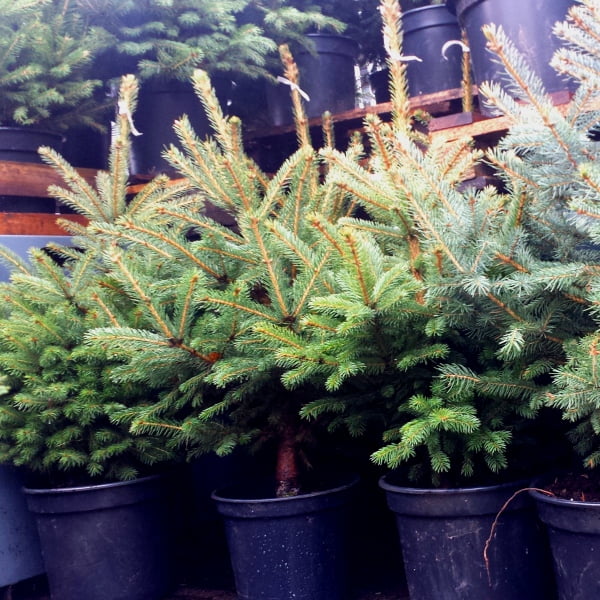
How to successfully transplant a Christmas tree
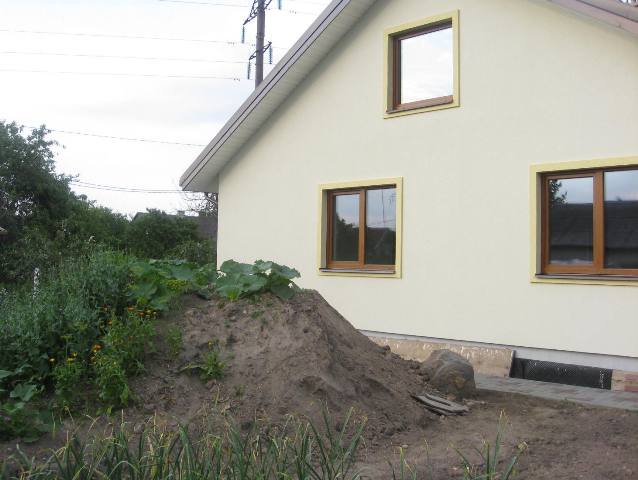
Landscaping a new plot: where to start?
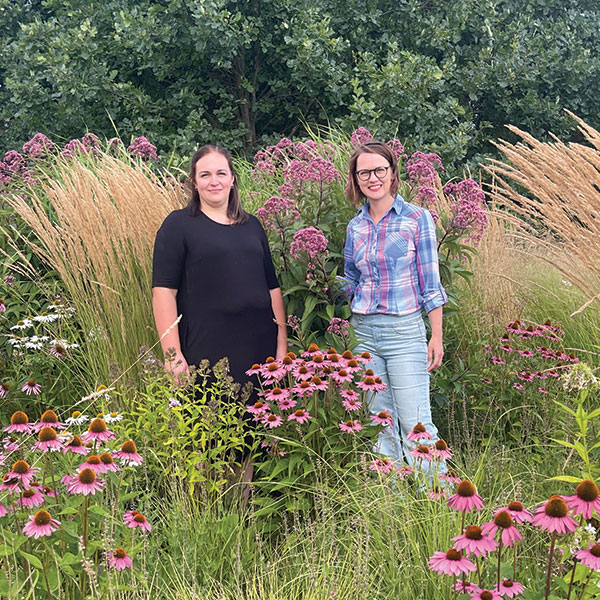
What grows in clay: This is what worked on Juste’s farm

Organic seeds: are they worth paying more for?
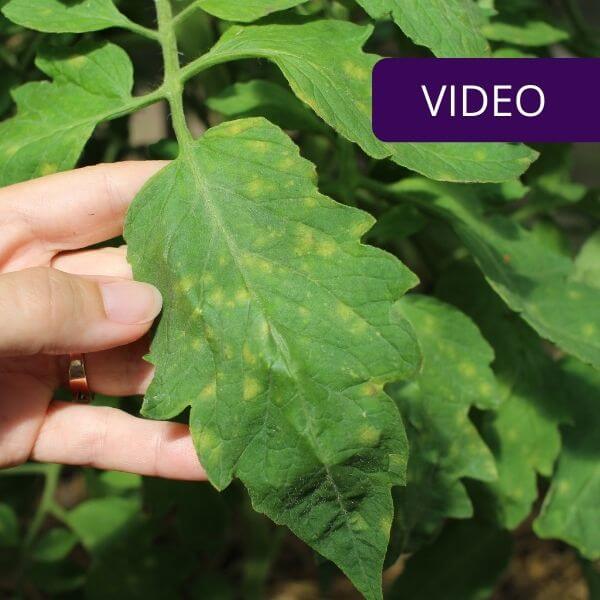
Preventive spraying of tomatoes with homemade remedies –
Environmental management: how to renovate a bored plot?
Designers answer what are the 3 best plants for the garden
Fruit trees online: how I ordered them and how I planted them