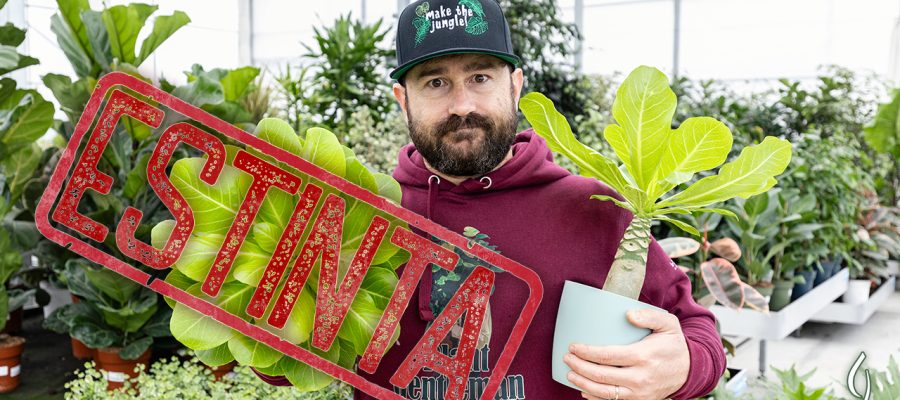
In today’s article we start to discover a truly unique and fascinating plant: the Brighamia insignis, better known as the “Hawaiian palm.” Despite its name, however, this plant is not a true palm. And that’s not the only curiosity because as we will see this plant is EXTINCTED, yes you understood correctly 👀 So let’s see how to grow and take care of the Hawaiian Palm.
Origin and history of the Hawaiian palm1
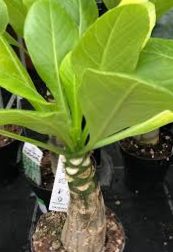
Before explaining how to take care of it, I would like to briefly tell you its story. There Brigham is remarkable it is an endemic plant (therefore it can only be found in that specific place) of Hawaii, where, for a long time it was on the verge of extinction.
Retracing the trend of its population, I found some data: in the 1990s, for example, there were between 60 and 70 plants on the island of Kauai, while shortly before it was also present on Niihau, where, however, it became locally extinct. In 1994 the census recorded between 45 and 65 specimens, but subsequently only 7 adults remained.
The last specimen in the wild was spotted in August 2012, but drone surveys, conducted in June 2019 and May 2020, confirmed that it too had disappeared. According to the IUCN (International Union for Conservation of Nature), the plant is today classified as “extinct in the wild”the last step before complete extinction. Therefore, this plant no longer exists in nature. Today, if you find it, it is in the botanical gardens, at your home or there are the beautiful Hawaiian palms in our nursery 😉
This plant once thrived along the rocky cliffs of the Hawaiian Islands, adapting to difficult and inaccessible terrain thanks to its well-anchored roots. However, natural events such as landslides and hurricanes (a particularly devastating one in 1992) have drastically reduced the number of specimens. For several decades now, the Brigham is remarkable it had almost disappeared completely in the wild due to the loss of its habitat and the lack of pollinators. Research suggests that the only natural pollinator was a now-extinct species of sphinx.
The species was saved only thanks to the efforts of botanists and growerswho have started to pollinate it manually and grow it in protected environments. To preserve it, scientists even climbed cliffs to reach its flowers, a feat that allowed its survival and which today allows us to grow it even in our homes.
So having a Brighamia is not just collecting but a moral duty 😉 Another enemy of this plant, which will make those who own it smile, is the mite Tetranychus urticaeknown as red spider, a constant presence in the warmer seasons. We will soon see how to prevent it.
It must also be said that in addition to the spider, the Brigham it has also been impacted by wild animals such as goats and pigs, competition from invasive plants, and damage caused by hikers and fires.
Appearance and botanical characteristics of Brighamia insignis
THE Brigham is remarkable it is a perennial plant since characteristic fleshy and bulbous stemknown as the caudex, which serves as a water reservoir. It usually does not branch and is wider at the base, then tapering towards the top, where a compact rosette of thick leaves develops, which gives it theappearance of a small palm tree. The stem can grow from 1 to 2 meters, but in ideal conditions it can even reach 5 meters in height.
But the real peculiarity of the Brigham is remarkable lies in its enchanting cream-yellow, trumpet-shaped flowers, which spread a delicate fragrance, especially at sunset. The Palm of Hawaii it flowers between September and Novemberthe scent is similar to that of honeysuckle.
Care and cultivation of the Hawaiian palm
Now let’s see how to care for the Hawaiian Palm. Despite its exotic origins, it is a surprisingly simple plant to grow at home.
Where to place the Hawaiian Palm?
The Brigamia is remarkable I love bright light and it can tolerate direct sunlight, but in summer, especially if you grow it outdoors, it is better protect it from the strongest rays. A well-lit corner near a window is ideal.
Wet the distinct Brighamia
Being a succulent plant, its stem stores water. For this reason, it is important to let the soil dry completely between waterings. During the winter, watering should be further reduced.
Ideal terrain for the Hawaiian Palm
It requires a well-drained substrate, similar to that used for cacti and succulents. Excellent results are also achieved with One universal soils.
Temperatures for La Palma Hawaii
Being of tropical origin, it does not tolerate the cold. It should be kept in an environment with temperatures above 15°C to best take care of the Hawaiian Palm.
Does the Hawaiian Palm lose its lower leaves?
It is normal for the lower leaves of Brighamia insignis to yellow and drop, leaving scars on the stem. New leaves will emerge from the central rosette. In winter, the plant may completely stop its growth and even lose all its leaves. In these cases, increase the available light and suspend watering.
Fertilize the Hawaiian Palm
Use a specific fertilizer for succulent plants or a balanced fertilizer such as Asso di Fiori.
Pests of the Hawaiian palm tree
The Red spider mite is a common problemespecially in summer. To avoid this, during the summer, avoid environments that are too dry, mist the leaves regularly and monitor the plant carefully.
I advise you to keep the plant treated with natural products, perhaps in a mixture, I suggest (mixed in a liter of water):
If the attack is already underway:
Another valid and organic product against spider mites is the consortium of parasitic fungi of mites and soft-bodied insects that we now know and which you can find on the shop exclusively under the name of Mebotrix!
So, if you are looking for a particular plant, easy to grow and with a fascinating history, Brighamia insignis could be just the right one for you! Let me know in the comments if you have ever seen this plant or if you plan to add it to your collection!
latest posts published
Tired of working in the garden? What can be done to reduce maintenance
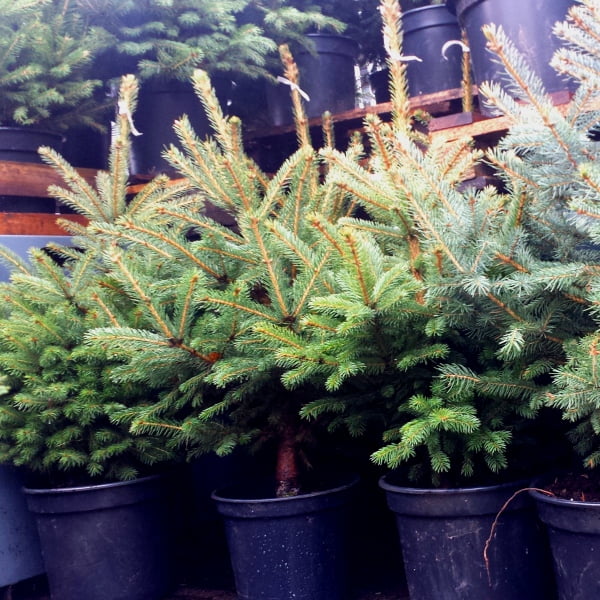
How to successfully transplant a Christmas tree

Landscaping a new plot: where to start?
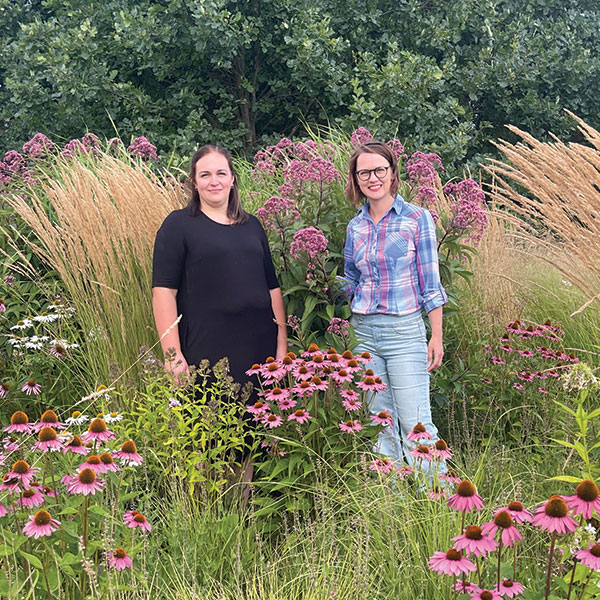
What grows in clay: This is what worked on Juste’s farm

Organic seeds: are they worth paying more for?
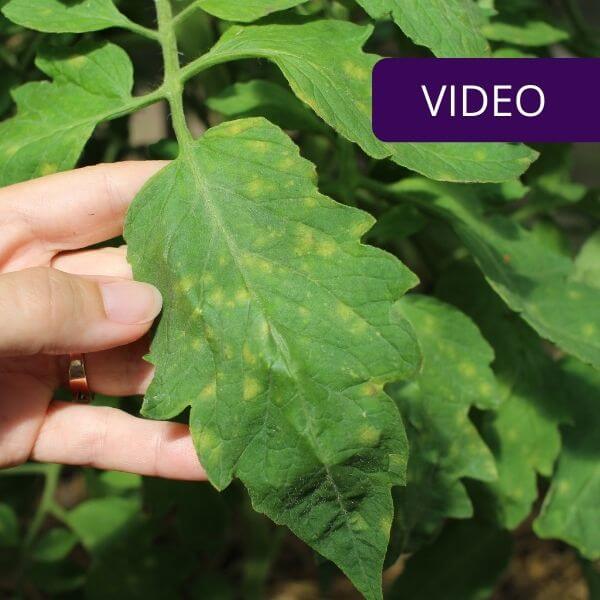
Preventive spraying of tomatoes with homemade remedies –
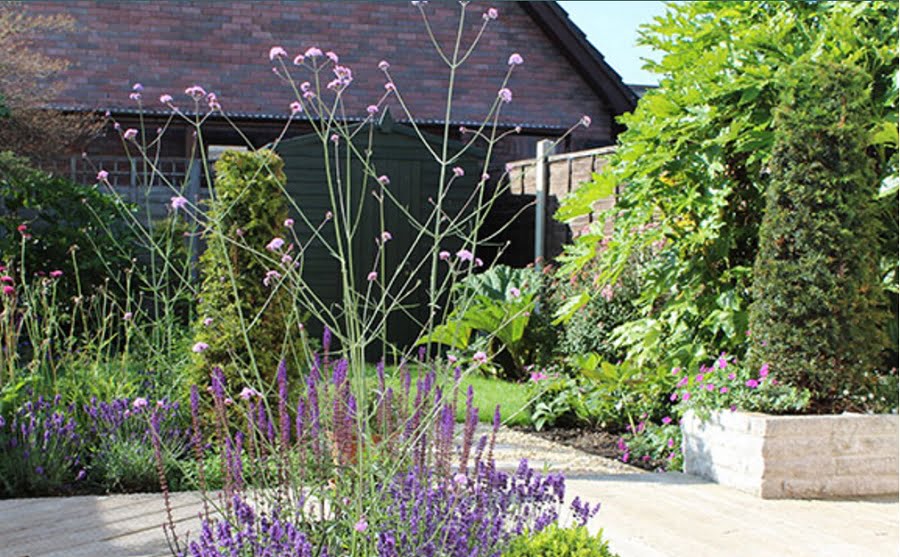
Environmental management: how to renovate a bored plot?
Designers answer what are the 3 best plants for the garden
Fruit trees online: how I ordered them and how I planted them