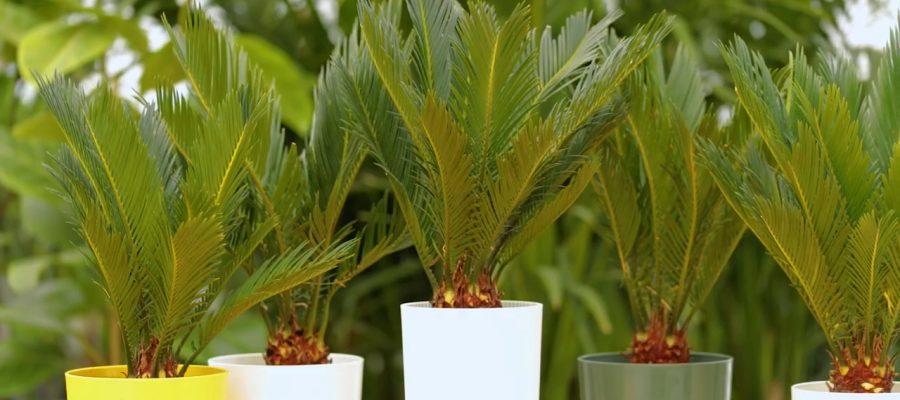
Today we want to guide you to discover a fascinating plant that ahas its roots in the thousand-year history of the Earth: the Cycas revoluta. With its majestic beauty and unique presence, Cycas revoluta is a plant that has fascinated humanity for centuries.
In this article we will explore the history, characteristics and curiosities related to this fascinating cicada, also known asDwarf Palm“, “Sago cicada“or”Japanese palm leaf“. We will take you on a journey through the origins of this plant, explore its distinctive characteristics and provide you with useful tips for its cultivation and care. Ready for this extremely # plantCreateTheJungle ?
Cycas revoluta is a plant with a leathery and resistant appearance, let’s immediately see how to make it grow best!
What exposure to give to Cycas
The Cycas prefers indoors bright positions, even with direct sun during the winterin the warmer months it is usually recommended to avoid direct light so as not to burn the leaves, however we have never seen burns on specimens of Cycas revoluta kept indoors. However, little light could result in sparse leaves and a diseased appearance of the plant.
Outdoors they tolerate both sunny and partial shade positions well.
The Cycas revoluta can remain outside all year round, but if you prefer to move it only during the warmer months we advise you to follow the correct instructions for hardening off!
What temperatures does the Cycas want?
It is a rather rustic plant, it resists (for short periods) up to -5/-10°C. In any case, the Cycas prefers warm and humid conditions and must be kept away from air currents and/or heat sources.
Recommended minimum: 3-5°C
In winter, if temperatures drop too much, it is recommended to protect the plants with non-woven sheets or jute bags.
How to water the Cycas
Cycas revoluta have good drought resistance but better in summer always keep the soil fresh or wait for the surface to dry, then reduce the watering towards winter, carrying out the next one only when the first layers of soil are dry.
Which substrate to choose for Cycas
They are not very fussy plants when it comes to the soil, but it is essential that it is a substrate with a excellent drainage and with aggregates in the mix. If possible they prefer an acidic or neutral pH.
They love terracotta vases, avoiding enamelled ones if possible, in order to facilitate the transpiration of the material.
How to fertilize Cycas
During the growing season (spring to autumn), fertilize monthly with products that contain manganese. Or use a slow release fertilizer 2 or 3 times during the vegetative phase.
We recommend these products:
When to repot the Cycas
Being plants that grow very slowly, Cycads require repotting every approximately 2/3/4 years (here we leave you the article where we explain how to understand if the plant needs repotting). Since repotting, and therefore the renewal of the soil, is done so rarely it is sometimes recommended insert leonardite to restore the state of the soil. This operation must be done twice a year, preferably in March and September and is carried out in this way:
- remove the first centimeters of soil;
- insert leonardite (we recommend Biotron S by Cifo);
- restore the centimeters removed previously with fresh soil
How to Propagate Cycas
Cycas can be propagated by seed or for suckers.
How and when to prune Cycas
For pruning there are two lines of thought:
- prune once a year (around May), by removing all the old leaves, this should give strength to the new leaves to open from the top and remake the new crowns of vegetation;
- the reverse school of thought instead claims that they should go also leave the old leaves attached to the plant until they are completely dry
Both lines do not harm the plant, every proud Cycas revoluta grower decides which one he prefers 😉
Cycas parasites and diseases
It is usually free from parasites but can be attacked by cochineal insects and red spider mites.
Sanium can be used against cochineal traditional molecule still on the market but it affects all the insects present on the plant. If you prefer to use natural methods instead, we recommend a first aid mixture diluted in 1 liter of water consisting of:
Him too mites can be fought with natural products (traditional products have now been removed from free sale), we recommend this mixture (always in 1 liter of water):
Initial infections of red spider mites can also be counteracted by washing the plant, mites hate water!
The Cycas is not pet-friendly
Cycas revoluta is not toxic to humans, it is important to note that it can be potentially toxic to pets, including dogs and cats, if ingested.
All parts of Cycas revoluta, including the leaves, seeds and stem, contain a toxin called cycasin. Cycasin can cause symptoms such as gastrointestinal irritation, vomiting, diarrhea, lethargy, and even liver failure in dogs and cats. Therefore, if you have pets, it is advisable to avoid keeping this plant in places accessible to them, especially if they are inclined to nibble it or eat parts of it.
Although each animal may react differently to the toxin, it is always best to be cautious when it comes to exposing our pets to potentially toxic plants. If you suspect your pet has ingested parts of a Cycas revoluta or shows symptoms of intoxication, consult a veterinarian immediately for appropriate evaluation and treatment.
Cycads are easy to grow and maintain, but they require some specific conditions for them to be healthy, let’s see some of the most common problems.
Transparent resin comes out of the trunk (caudex) of the Cycas
The caudex of the Cycas can be affected by damage when the plants are handled (perhaps in conjunction with dry pruning), due to violent atmospheric events or due to the collapse of old heavy leaves that give way under their weight. In these cases, a transparent, dense and sticky discharge of lymph is observed.
There is no need to be alarmed, the plant manages these events autonomously, healing the wounds.
It is also true that in general such wounds can represent a source of entry for bacterial and fungal parasites and it is therefore recommended to intervene with a fungicide or a natural antiseptic (for example propolis.
Similar cases have also been reported in conjunction with long periods of high humidity or rainfall but usually these are dry lymph, due to previous traumathat rehydrates and even in this case there is no reason to worry. If, however, during periods of drought the plant tends to exude sap from the caudex, this may be due to internal damage sometimes caused by the stem borer.
Yellowing leaves
Yellowing is common in older outer leaves and can be attributed to the normal replacement. The lowest ring of leaves is usually made up of the oldest leaves and they will be the first to yellow. However, these leaves should not be removed until they have turned brown.
Another cause of leaf yellowing could be the insects, or, if no parasites are noticed, you could suspect a manganese deficiency in the soil. In this case, apply manganese sulphate powder to the substrate 2 or 3 times a year or the products we have indicated previously. Yellow leaves will not turn green again, but subsequent ones will be healthy.
Leaves wilting and/or falling
This can be a symptom of root rota fungal infection often caused by too much water or the use of compacted, poorly draining soil. Rot also manifests itself with black spots on the trunk. This infection causes the leaves to wither and then fall. If caught in time you can proceed with the removal of the now ruined foliage and treat the plant with a fungal spray or a systemic fungicide.
If the plant has lost too many leaves it means it may have passed the point of no return.
Black spots on the leaves
The stains may be visible after a parasitic attack and are given by dirt or by smoke. Sooty mold is a fungus that grows on the secretions left by insects (to remove the honeydew it is excellent to clean the leaves with a cloth soaked in soft soap), it can be washed away with a little running water. The fungus itself does not harm the plant, but as it gradually expands, it limits the photosynthesizing surface of the leaves.
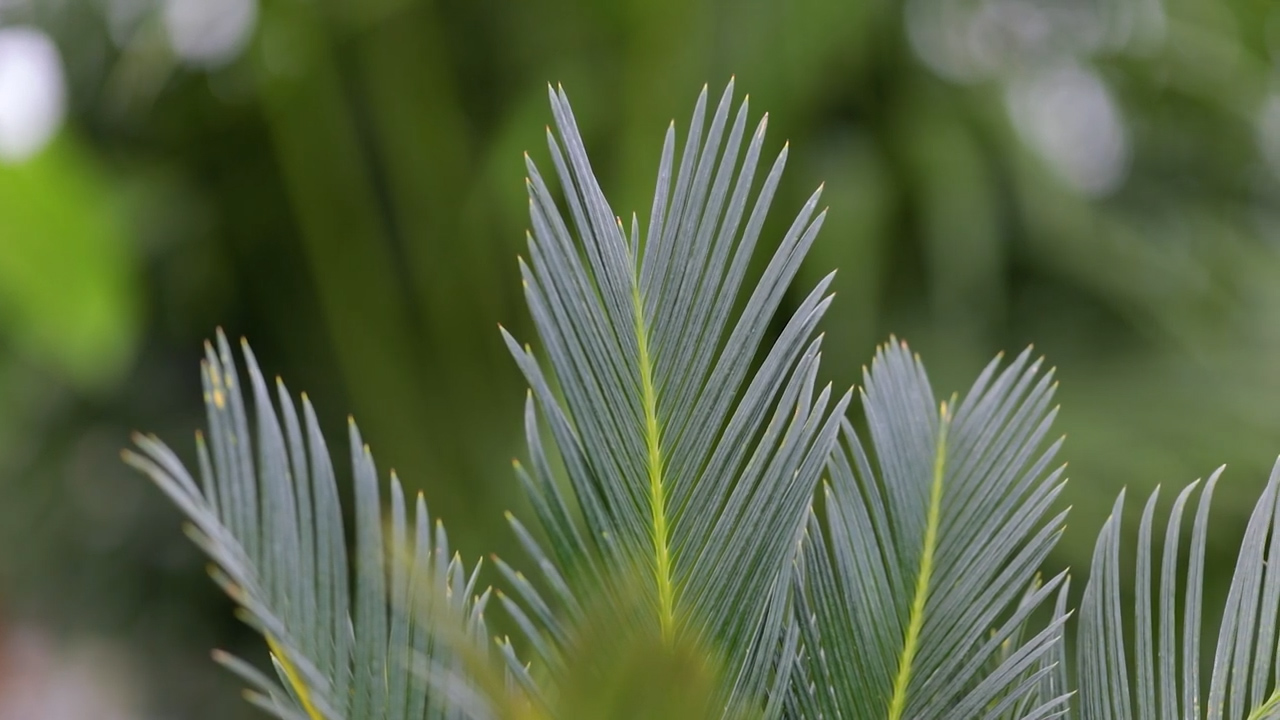
The Cycad is a evergreen perennial similar to a slow growing palm, with pinnate and arching leaves, up to 1.5 m long and golden brown ovoid inflorescences which are rarely seen except on mature plants. They have sturdy, woody trunks.
It can be both an outdoor ornamental and a houseplant.
It can reach a maximum size of 1-1.5 m in approximately 20-50 years. He has one extremely slow growthincreasing only by a few centimeters per year, sometimes arriving at just one new branch during the same year.
Taxonomic description
The Cycas revoluta is part of the Cycadaceae familywhich includes several other cycad species. He is a member of the genus Cycaswhich includes around 100 species of cycad. The scientific name “Cycas” derives from ancient Greek and means “cycle“or”circle“, referring to the rounded shape of the leaves of many cycad species.”Revolution” refers to the characteristic of the leaves of this species, which roll up at the apex.
Cycas revoluta is a gymnosperm plant, which means it produces non-flowering seeds.
They are dioecious perennial plants.
Habitat
The Cycas revoluta is native to the subtropical regions of southern Japanespecially the island of Kyushu. This plant has traditionally been found in the natural habitats of coastal forests and rocky areas of the region. In these areas, Cycas revoluta grew on well-drained soil, often on rocky slopes or sandy soils.
The genus Cycas, which includes Cycas revoluta, has a very ancient history dating back millions of years. Cycads are gymnosperm plants, which are non-flowering seeded plants, similar to conifers. They are considered among the oldest plants on Earth and they have a levolutionary link with the first trees that appeared over 300 million years ago during the Permian period.
Cycads were much more widespread and diverse throughout geological time than they are today. They were present in many parts of the world and were an important component of the forests and plant communities of the time. During the Mesozoic era, which includes the period of the dinosaurs, cycads were common plants and represented a significant component of the earth’s flora.
Over the years, many cycad species have become extinct, but some have survived to the present day. Cycas revoluta is one of these surviving species. It has been the subject of cultivation and aesthetic appreciation for centuries in many parts of the world, becoming one of the most popular cycads in ornamental plant collections.
Curiosity
The history of Cycas revoluta is closely linked to Japanese culturewhere it is known as “Sotetsu“. It has been grown and prized as an ornamental plant in traditional Japanese gardens for centuries. Its elegant shape and stiff, glossy leaves have made it a highly prized plant for its architectural beauty.
latest posts published
Tired of working in the garden? What can be done to reduce maintenance
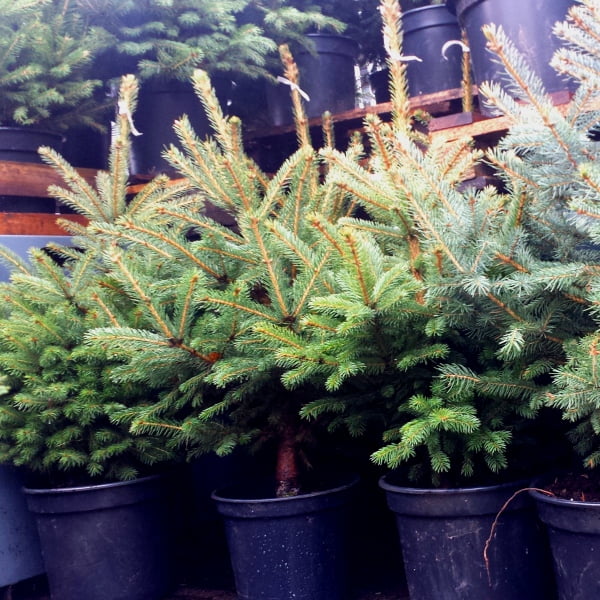
How to successfully transplant a Christmas tree

Landscaping a new plot: where to start?

What grows in clay: This is what worked on Juste’s farm

Organic seeds: are they worth paying more for?
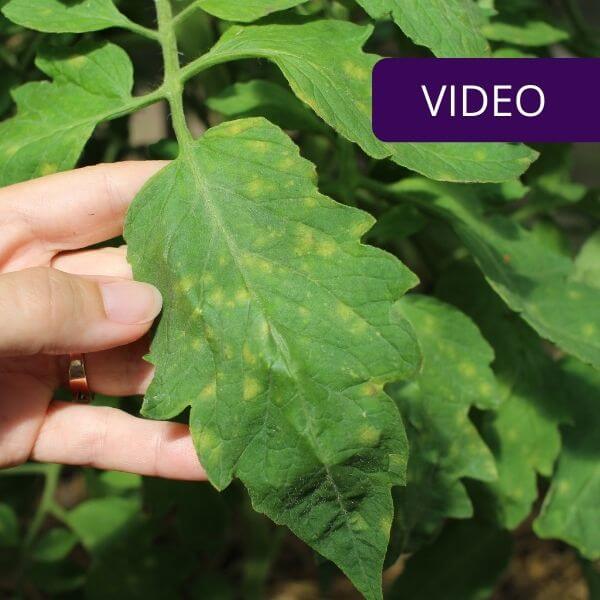
Preventive spraying of tomatoes with homemade remedies –
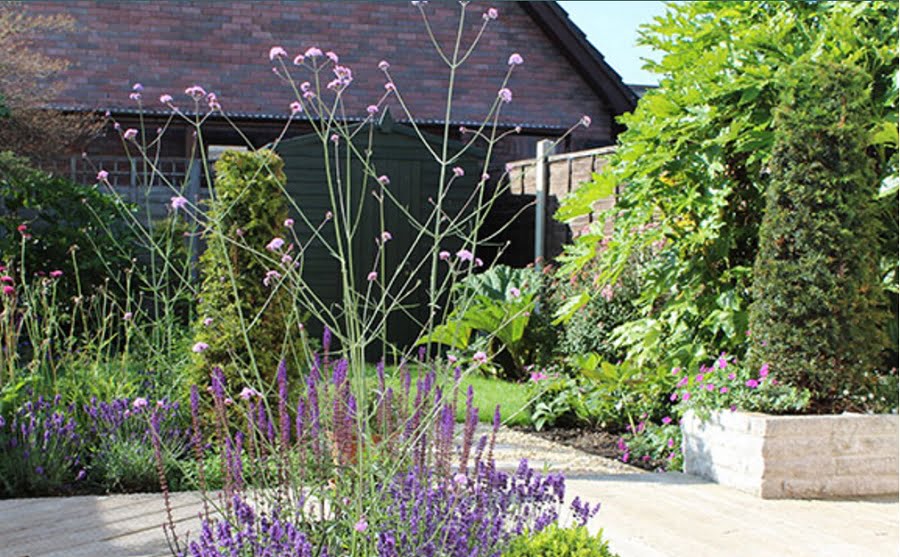
Environmental management: how to renovate a bored plot?
Designers answer what are the 3 best plants for the garden
Fruit trees online: how I ordered them and how I planted them