Few plants have linked the history of man to nature like the vine has. Since ancient times this climbing plant with precious fruits has been a symbol of civilization, hospitality and refinement. From ancient festivals to modern tales of terroir, the history of winemaking in Europe has become an essential presence in European culture. But his road hasn’t always been easy.
Where it all began: the origins of the vine
The first evidence of vine cultivation appears more than 6,000 years ago in the Caucasus region (now Georgia), where ceramic vessels with traces of wine were discovered. From here the habit of cultivation spread to Mesopotamia, Egypt and then to Ancient Greece, where wine became not only a drink, but also an offering to the gods.
It was the Greeks who brought the vine to southern Italy, while the Romans brought it further to Gaul (France), Hispania (Spain) and Dacia (Romania). The Roman Empire was a real driving force for the expansion of viticulture, establishing cultivation techniques and wine preservation methods that profoundly influenced the history of viticulture in medieval Europe.
The Middle Ages and the refinement of noble vines
After the fall of the Roman Empire, the vines were carefully preserved by the monasteries. Cistercian and Benedictine monks cultivated vines and improved winemaking methods, creating what we now call the “winemaking tradition.” During this period noble varieties begin to appear, carefully selected for their flavor and adaptability: Pinot Noir, Cabernet Sauvignon, Riesling, Furmint, but also the local Fetească Neagră or Grasa de Cotnari.
The 18th and early 19th centuries bring a real effervescence to viticulture: terroir begins to be understood and wine quality becomes a clear objective for large producers in France, Italy and Germany. Europe was, at that time, at the height of the golden age of wine.
Phylloxera: the invisible enemy that devastated Europe
Everything would change radically in the second half of the 19th century. Around 1860, a small, almost invisible parasite arrived in Europe from the United States, but with a devastating impact: phylloxeraa microscopic aphid that attacks the roots of the European vine (Vitis vinifera), causing the plant to wither and die within a few years.
The disaster spread quickly. France, Italy, Germany, Spain, Hungary and Romania were affected. Millions of hectares of vineyards were lost. Famous regions such as Bordeaux, Champagne or Tokaj were almost destroyed. Winemaking Europe had entered an unprecedented crisis.
The solution comes from America: hybrids and rootstocks
In the midst of the crisis, help also arrived from America. It was discovered that the American vine (species such as Riparian screws AND The screw is slippery) were immune to phylloxera. Initially, attempts were made to plant these varieties in Europe, but the resulting wine did not have the desired quality or taste: it was often perceived as “fox” (with unpleasant animal fur or musty aromas).
This is how he came up with a brilliant idea: grafting noble European varieties onto robust American roots. Thus he was born rootstock – a system that allows the cultivation of Vitis vinifera varieties on a solid base, immune to phylloxera. It was a real revolution.
Hybrids: between rescue, compromise and innovation
After the discovery of the immunity of the American vine to phylloxera, one of the first solutions applied rapidly and on a large scale was the cultivation of the so-called direct producer hybrids. They were the result of direct crosses between American varieties (The screw is slippery, Riparian screws, Rock screws) and European ones (Wine vine), without the need for grafting.
Their advantages were obvious: resistance to phylloxera, high yield and easy maintenance. The disadvantage, however, is that the low quality of the winewith unpleasant (“fox”) aromas, a higher methanol content and a lack of noble character.
In Romania, these hybrids were massively cultivated during the interwar period and especially during the years of communism, being accessible to small producers and individual families. Among the most famous are:
- Noah
- Isabella
- Othello
- Clinton
- Jacques
- Seibel 8357 (often called “backyard hybrid”)
Over time these hybrids have been limited or even banned in many European countries, including Romania, to protect the quality of the wine and the health of the consumer.
Second generation: quality hybrids
Starting in the 20th century, researchers began to develop a the second generation of hybridsobtained by crossing noble European varieties with resistant American or Asian varieties. The goal was to create vines:
- resistant to phylloxera and diseases (powdery mildew, downy mildew),
- with high oenological potential,
- adapted to local climatic conditions.
These modern hybrids have become better accepted in the wine industry, being grown for both winemaking and direct consumption.
Examples of hybrids grown in Romania:
- Codreanca – table variety, highly appreciated for the appearance and flavor of the grains.
- Augusta – resistant to diseases, intended mainly for fresh consumption.
- Viola – variety originating from the Republic of Moldova, with influences from Muscat AND Seibelincreasingly appreciated for aromatic wines.
These hybrids did not replace the noble varieties, but were extremely useful in difficult areas with high phytosanitary risk or for subsistence viticulture. More recently, they are considered a valuable resource in the face of climate challenges and the demand for sustainable agriculture.
Conclusion: the lessons of history for the future of wine
The history of the vine in Europe is a story of perseverance, adaptation and rebirth. From the clay pots of Georgia to the high-tech cellars of Bordeaux, from the destruction brought by phylloxera to rebirth through grafting, the vineyard has always been a living testimony to human creativity.
Today, faced with new challenges such as climate change, viticulture can look to the past for inspiration. The lesson of port grafting shows us that science, passion and respect for tradition can go hand in hand to build the future of wine.
Romania has one of the oldest winemaking traditions in Europe, dating back to Dacian times. Herodotus wrote about the wines of Thrace, and the Romans encouraged the cultivation of vines in the province of Dacia to support the troops and colonists. In the Middle Ages, monastic and noble vineyards played a crucial role in perpetuating this tradition.
The interwar period: a period of momentum
In the interwar period Romania was one of the largest wine producers in Europe. The first viticultural research stations are developed (such as the Blaj Viticulture and Winemaking Research and Development Station), large plantations appear in the regions of Dealu Mare, Cotnari, Cotești, Odobești and Drăgășani. Romanian wine is starting to be recognized and awarded in international competitions.
Phylloxera and the fight for salvation
As in the rest of Europe, phylloxera arrived in Romania at the end of the 19th century. Seriously affecting native plantations, it forced winemakers to resort to the American rootstock solution. Although the transition was difficult and led to the loss of some traditional varieties, it saved the wine industry. The vineyards are replanted with grafted varieties and some of the most famous Romanian varieties, such as Feteasca Neagră, Grasa de Cotnari or Tâmiaoasa Românească, are preserved and adapted to the new conditions.
Decay during the communist period
After the Second World War, the communist regime transformed wine into a mass product. The collectivization of agriculture led to the destruction of many old plantations and the standardization of varieties. The emphasis was on quantity, not quality. Wines were produced in huge volumes for export to the Eastern Bloc, often sacrificing authenticity and refinement.
The post-December awakening
After 1989, Romanian viticulture experienced a profound transformation. Private wineries began to invest in replanting, modern technologies and the rediscovery of authentic terroirs. Local varieties were re-evaluated and Romanian wines began to win medals internationally. Regions such as Dealu Mare, Cotnari, Cotești or Drăgășani have once again become points of reference on the map of European wines.
Today Romania is experiencing a moment of maturity and consolidation. Family-run wineries, passionate about wine and tradition, write a new page in the history of the vine, where quality, sustainability and local identity are in the foreground.
From compromise to excellence: the return of noble varieties
After 1989, with the reopening of the market and access to modern technologies, Romanian viticulture began a broad process of reprofessionalization and replanting with noble varieties. Many of the plantations with directly producing hybrids have been gradually replaced by higher quality varieties, adapted to the Romanian terroir and international needs.
In the revived Romanian wine landscape, Crama Gîrboiu plays an essential role in the preservation and promotion of authentic wine heritage. Located in the heart of the wine country DOC Coteștione of the oldest and most precious regions of Romania, the winery has stood out for its constant investments in replanting, winemaking technology and, above all, for the courage to bring native varieties.
Del Black girlof broad structure and mature elegance, to expressive white wines from SerbianA, It’s floating, Odobești yellow, White girl, Royal maidenbut also fragrant and seductive variants Romanian incense AND Basil BohotinThe Gîrboiu winery builds bridges between tradition and innovation.
Through every bottle produced, the winery not only carries forward a legacy, but actively contributes to redefining modern Romanian wine: authentic, identity-based and worthy of international appreciation.
This transition from compromise hybrids to noble varieties and authentic terroirs represents not only an economic success, but also a declaration of respect for the Romanian wine tradition.
latest posts published

Tired of working in the garden? What can be done to reduce maintenance
How to successfully transplant a Christmas tree

Landscaping a new plot: where to start?

What grows in clay: This is what worked on Juste’s farm

Organic seeds: are they worth paying more for?

Preventive spraying of tomatoes with homemade remedies –
Environmental management: how to renovate a bored plot?

Designers answer what are the 3 best plants for the garden
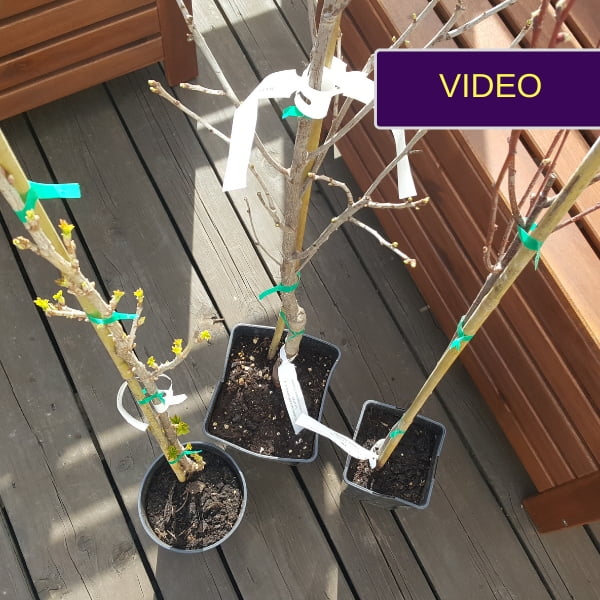
Fruit trees online: how I ordered them and how I planted them