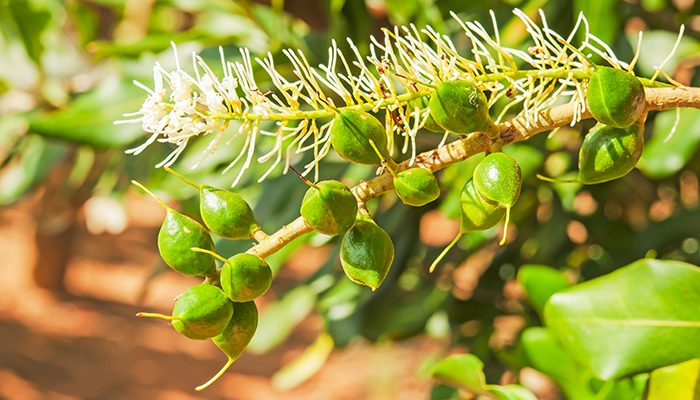
Macadamia is a genus of tree-like perennial plants, endemic to eastern Australia. It is made up of 4 species, two of which (M.tetraphylla And M. integrifolia) are known for the production of edible fruits: Macadamia nuts or Queensland Walnuts. In addition to commercial relevance, Macadamia is also widely used in subtropical climates such as shade tree given the compactness of its foliage and the considerable size it can reach in adulthood in its native climates. Its pinkish-white blooms are also very popular.
Macadamia Care
Macadamia Exhibition
He prefers afull sun exposure but it also tolerates partial shade in warmer areas.
It is best to place this plant in areas sheltered from strong winds and storms because the superficial roots make it at risk of falling.
What temperatures does Macadamia want?
The young tree needs temperatures above 10°C, while adult specimens tolerate temperatures up to -3°C for a short period of time.
Watering the Macadamia
It is a demanding plant regular bathing at a young age and in the warm seasons; as it grows the tree will become independent.
Which substrate to choose for Macadamia
Macadamia It prefers a soil with a slightly acidic pH between 5.5 and 6.5 but above all fertile and well drained. In pots we recommend the excellent One and One+.
How to Propagate Macadamia
The propagation of Macadamia it can be done by seed, cutting and air layering (recommended method because it is particularly fast).
The ideal fertilization for Macadamia
Macadamia it has a root system composed of compact clusters of roots that absorb nutrients with great efficiency.
In the early stages of development, nutrition can be directed above all to the production of vegetation, for example with a slow release fertilizer for green plants, distributed in March, June and September according to the doses indicated on the label. However, a more complete and welcome solution even in the stages of maturity of the plant is a universal fertilizer, complete with nitrogen, phosphorus, potassium and microelements.
Pests and diseases of Macadamia
THE Macadamia it is usually resistant to both parasites and diseases
Description of the Macadamia
The tree of Macadamia it can reach around 15 meters in height, with thick and compact foliage. It produces simple leaves, with a toothed margin, 7 to 15 centimeters long, characterized by a beautiful shiny green colour.
It develops in spring white or pink flowerscollected in pendulous racemes, followed by globose nut-like fruits (Macadamia nuts). It takes 7 to 12 years to bear fruit and is a self-pollinating tree.
Attracts bees and other pollinating insects.
Taxonomic description
The genre Macadamia belongs to the family of Proteaceae. It consists of four species, two of which (M. ternifolia And M. jansenii) have no commercial interest, generating fruits rich in glycosides which make them toxic. Fruit production is instead attributable to M. integrifolia And M.tetraphylla but above all to the numerous cultivars generated by the hybridization of these two species.
Habitat
Macadamia comes from eastern Australia, where it grows along the coasts in subtropical rainforests. The first time the plant was discovered was on Mount Bauple, in Australian Queensland.
Nutritional values of Macadamia Nut
Macadamia nuts are part of the set of fats and seasoning oils. They have a notable energy intake, comparable to that of butter.
Macadamia is not pet-friendly
Macadamia is toxic to dogs, the symptoms are: depression, weakness, vomiting and tremors.
Curiosities about Macadamia
According to a study conducted in 2019, almost the entire industry linked to Macadamia nuts could have originated from a single genetic, dating back to the small Australian village of Gympie, in Queensland. The study of the genome of numerous Macadamia samples from orchards around the world has in fact highlighted particular affinities with the DNA of Gympie’s wild plants. The story (which is extraordinary) intersects with the story of a certain Rober Jordan who in 1896, returning from a trip to Queensland, planted some Macadamia trees (or seeds) taken from the village of Gympie, in his brother’s garden in Honolulu (Hawaii). Hawaii is today responsible for the marketing of approximately 70% of the varieties of Macadamia plants and this explains how Hawaiian genetics (or rather those of Gympie) can be found in almost all the fruits that reach our tables.
The name “Macadamia” was given to this plant in homage to the scientist and politician John Macadam (1827-1865), colleague of the first botanist who described it, Ferdinand von Mueller.
latest posts published
Tired of working in the garden? What can be done to reduce maintenance
How to successfully transplant a Christmas tree

Landscaping a new plot: where to start?
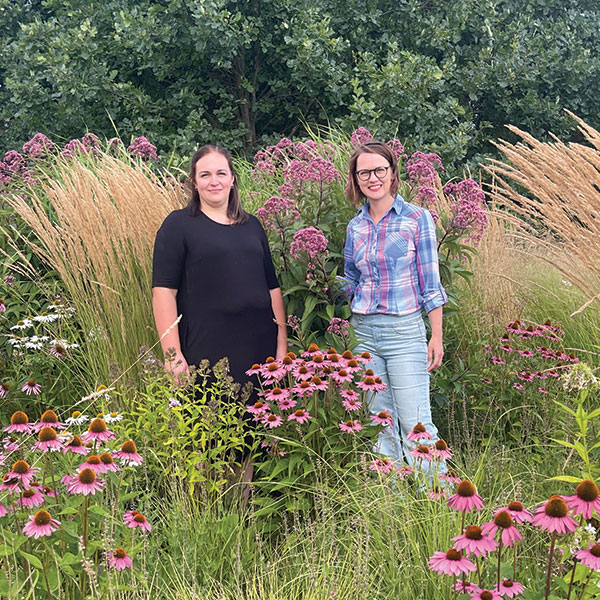
What grows in clay: This is what worked on Juste’s farm

Organic seeds: are they worth paying more for?
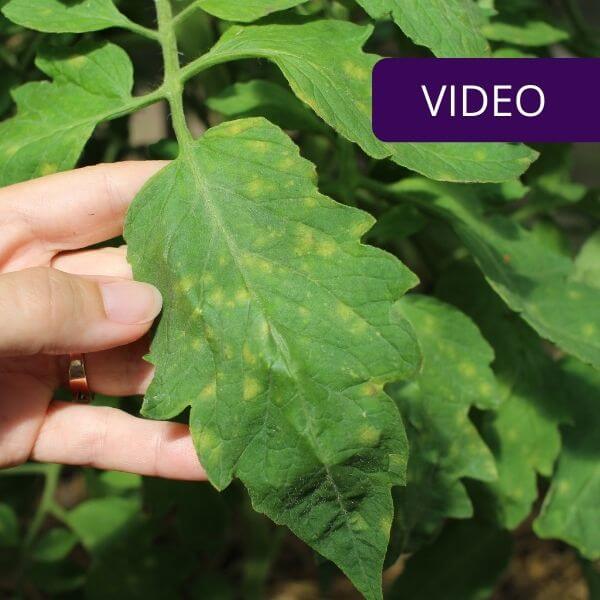
Preventive spraying of tomatoes with homemade remedies –
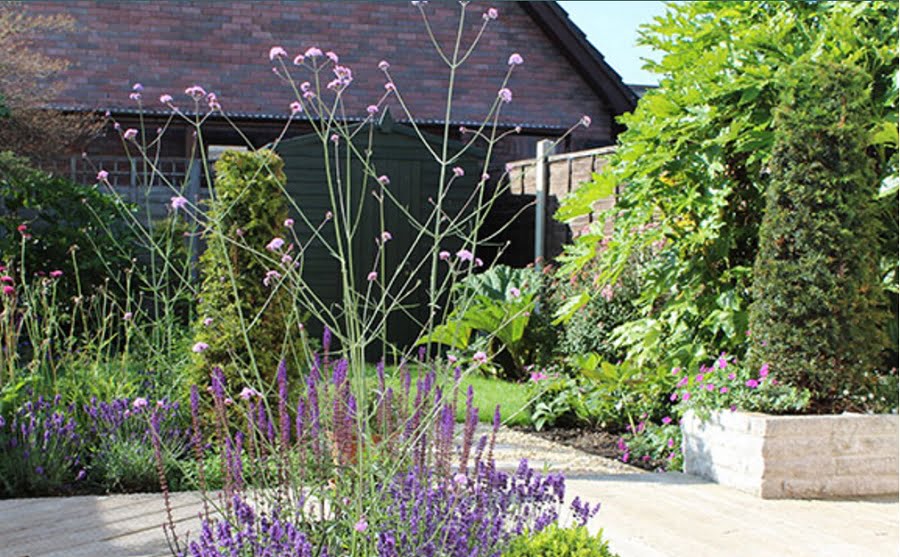
Environmental management: how to renovate a bored plot?
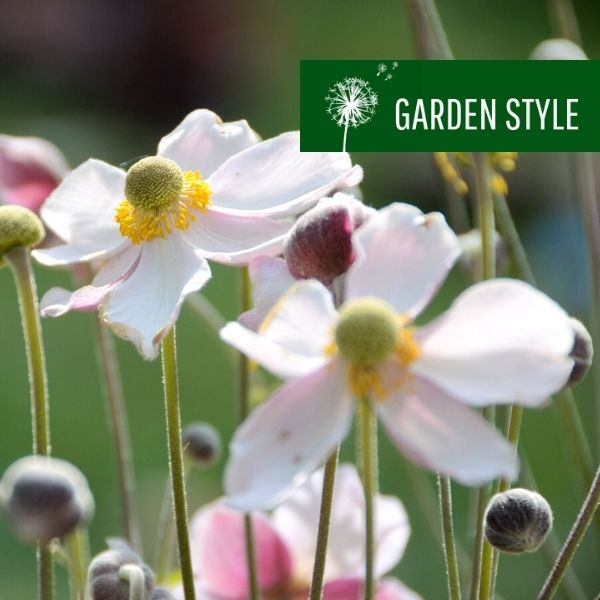
Designers answer what are the 3 best plants for the garden
Fruit trees online: how I ordered them and how I planted them