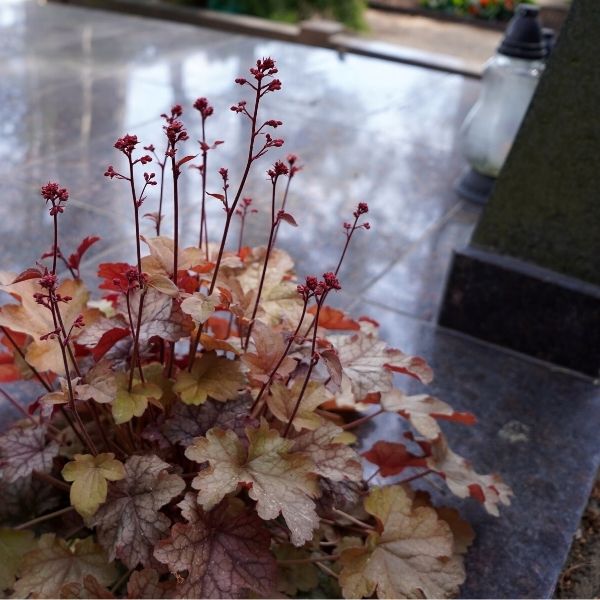
The heavy snowfall interrupted the normal routine, already suspended by the quarantine. In the forest you will now hear the snapping of trees, the roads are interrupted by broken trees, and I myself, opening the front door, scrape off a good layer of snow on the terrace with it. In this situation, we have some important yard work to do.
Continue reading:
- when snow is dangerous for plants and when it is not worth worrying about,
- how to take care of plants when it snows very hard,
- why it is important to clean backyard roofs and how to do it correctly.
Is snow dangerous for plants?
First of all, I hasten to reassure you myself the snow does not damage plants. On the contrary, it is like a soft, fluffy bed, covered by which plants can perfectly survive the winter, because under the snow they do not experience large temperature changes, so they feel really comfortable.
It’s much worse when it’s not snowing outside, it’s very cold, the sky is clear and the sun is still shining. We really like sunny winter days, but for plants this situation is quite threatening. When the sun shines, plants evaporate moisture quickly and cannot compensate for it, because the ground is frozen and the roots cannot absorb water. Subsequently the plants lose a lot of humidity and in spring we see the effects: cracked bark or golden needles on the south side of the plant, blackened, golden trunks, etc. So we often mistakenly think that the plant is frozen, when in reality it has dried out excessively.
When to care for trees and shrubs
As you understand, snow itself does not harm plants. When it is very cold outside, the snow is soft, light and “dry”, it does not cause problems: because the wind takes part of it away quickly.
But if it snows very hard, the temperature is not very low, the snow layer becomes thicker and heavier. And then there is already the risk that it could cause damage to plants:
- The branches of young trees and shrubs can bend and subsequently recover with difficulty.
For example, if there is a lot of snow on the branches of rocky juniper, they will eventually bend like the petals of an overgrown tulip. It is better to prepare these plants for the winter even before it starts to snow heavily: just tie them with string so that the branches are a little more compressed and the snow does not bend them. But if you haven’t done it and it’s started snowing hard, you can very carefully shake off the snow from the branches. This way you can lighten the load on all the snow-covered bushes and trees.
- Branches of mature trees can break.
In this weather I do not recommend taking a walk in the forest, because any small tree will make you fall. And you can really help the trees in your garden and thus avoid disasters. The recipe is once again simple: I advise you to occasionally shake off the snow from all the trees and bushes in your garden. Do it very gently.
Herbaceous perennials: you need to save them from snow
Perennial herbaceous plants decorate the garden even in the cold season, because they do not sag after the first frosts, and maintain their structure and erect stems. For example, in winter you can still see the preserved central ribs of echinacea and rudbeckia, vertical inflorescences of veronica and tubers. And where else are the plants from Campania: miscanthus, lindruns, melvens and many others. Due to their long stems, decorative brooms or fruit boxes, they look beautiful even in snowless winter (more information about plants that decorate the yard in winter, you can read here).
Heavy snows, of course, can break and bend these plants. So if you want to protect them, gently shake the snow off them too. But if you don’t, don’t worry too much, because these plants are already preparing for spring in one way or another and will be cut in February-March.

Heavy snow on the barrels in the courtyard
It is especially important to take care of the roofs of buildings in your yard. Not only for the house you live in, but also for other structures such as:
- pantry,
- shed,
- gazebo,
- conservatory,
- greenhouse
If the roof slope is steep enough, the snow should slide off on its own and won’t cause any major problems. But if the slope is flatter and a layer of snow accumulates on it, we cannot be sure that the structure of the structure will support such a weight. Especially when we talk about temporary structures (greenhouses, sheds, sheds, etc.), their roofs are likely not suitable for heavy loads, so they can collapse and break. It’s probably obvious how dangerous this is.
So what to do? Snow must be removed from the roof. Just don’t go on the roof for any reason! Clear snow while staying safely on the ground. If you don’t have a special tool, you can use:
- wide leaf rake,
- longest broom: as wide as possible so that the work proceeds faster.
True, it is better not to choose metal tools, because you can damage the roof surface (especially if it is glass). With the tool of your choice, first scrape the snow from the center of the roof and then move towards the edges until all the snow has been removed.
So let’s dress warmly and go gently shake the branches of the plants and clean the roofs. We will move like this, lighten the weight on the plants, and be satisfied with the wonderful edges of the snow
latest posts published

Tired of working in the garden? What can be done to reduce maintenance
How to successfully transplant a Christmas tree
Landscaping a new plot: where to start?

What grows in clay: This is what worked on Juste’s farm

Organic seeds: are they worth paying more for?

Preventive spraying of tomatoes with homemade remedies –
Environmental management: how to renovate a bored plot?

Designers answer what are the 3 best plants for the garden
Fruit trees online: how I ordered them and how I planted them