How is rosé wine made? We can say it rosé wines they are among the most versatile, being extremely easy to understand. Refreshing and irresistible, they can be consumed with a light lunch, as well as dinner. Our experience has taught us that red wines are suitable for both men and women. Bacchante Roseobtained 100% from Feteasca Neagra, it is an example of a wine consumed mainly by men.
Since we are talking about still, sparkling or fortified wine (we already have Porto Rose), rosé is among our preferences. Rosé wine is no longer considered a summer wine, it is gaining followers even in the cold season. As mentioned above, it is consumed by both women and men. There is a certain mystery and fascination when it comes to rosé wine.
Many Romanians are discovering and loving it as they experiment with this wine. We are happy to be able to offer these types of wine in our cellar superior rosé wines. Yet, how is rosé wine obtained? We set out to explore the answer to this question in the following lines.
Winemaking methods for rosé wines
Have you ever wondered how rosé wine is produced? There are four methods for making delicious rosé wines, each with a different end result. The choice is up to the winemaker who dictates the style of the rosé wine. We are obviously also talking about grape pairings for wine. The wines differ in color, aroma and persistence depending on the winemaking method and the type of grape from which they are obtained.
Brief film maceration
One of the most widespread and used methods for obtaining quality rosé wines. Pigments are known to be found in the skin of grape seeds. Through a short maceration, the must takes on the color of the red grapes, as much as the winemaker wants.
Usually, the process takes 6 to 48 hours to extract the color. A longer maceration gives us both color and a fruitier taste. The must is taken from the skins and subjected to alcoholic fermentation.
Direct pressing
The method is used when rosé wine is made from grape varieties with strong pigments. The technique is similar to making white wines, and the resulting rosé wines tend to be lighter. The Girboiu Company, being in a relatively warm area, uses direct pressing to obtain rosé wines such as: Pink epicenter AND Livia Roze. These two wines define the essence of rosé wine. Try them and you will feel the difference in this method.
Bloodletting method
It involves obtaining more concentrated red wines by extracting part of the rosé wine. During the maceration of the red must with the skins, the winemaker decides to extract part of the rosé wine. It is vinified separately according to the white wine technology and continues the red one maceration/fermentation for several weeks. The rosé wines thus obtained are more intense in color and aroma.
Mix white wine with red wine
This method of obtaining a rosé wine is strictly prohibited by European legislation. The only exception is obtaining rosé sparkling wines in Champagne, France. Also, in some regions of the New World, this method is used due to more permissive legislation. Rosé wines differ in style depending on the red wine added. Both quantity and variety can influence the quality of the final wine.
Grape varieties used for rosé wine
Rosé wines obtained from rosé – aromatic wine vines approx Basil Bohotin or Gewurztraminer.
Basil Bohotin
As the name suggests, the variety Busuioaca de Bohotin is a grape variety native to the city of Bohotin, in the county of Iași. These grapes are light in color and ripen in early October. The predominant aromas are rose petals, basil, honeycombs, strawberries or wild strawberries. No wonder this variety produces incredibly aromatic rosé wines. The variety is frost resistant and the pulp of the berries is juicy, prickly enough to obtain rosé wine.
Gewürztraminer
This variety also bears the name Traminer, originating from the Termeno hills in Italy. The variety produces grapes that naturally accumulate sugars. The grapes have a skin dark enough to give the wines a rosé color. It is up to the winemaker to decide whether to vinify the must as rosé or white. The short maceration on the skins allows the extraction of the pigments and the unique aroma.
So, the next time you taste a rosé wine, in addition to the color, freshness and aromas, you will have to appreciate the effort of the winemaker. It takes years of experimentation to find the best method for the red varieties grown and the terroir of the area. Rosé wine is obtained from the best grapes. It is not for nothing that they say that a rosé wine requires a lot of experience.
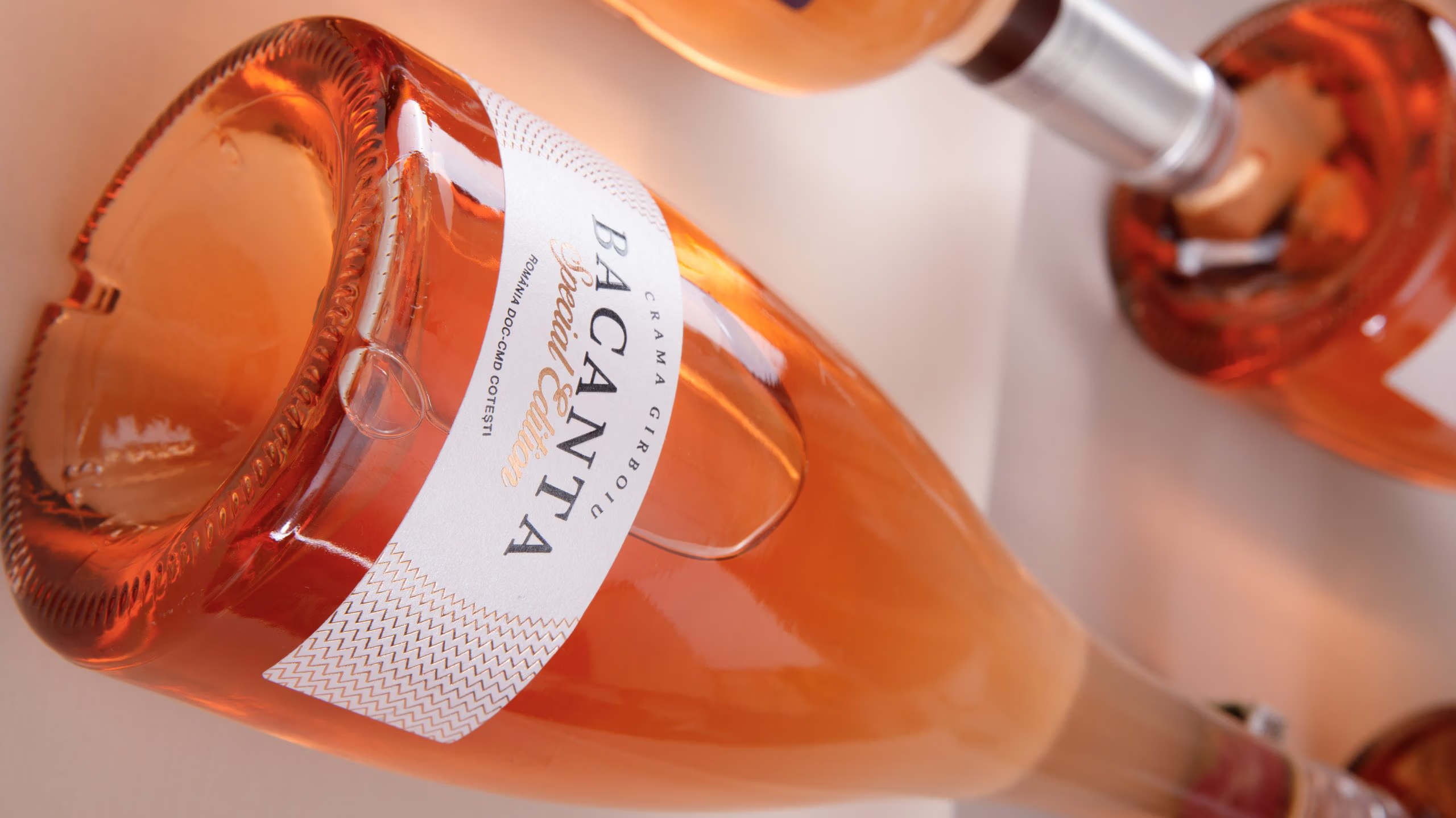
Collection of pink wines from the Girboiu winery!
Offer your loved ones the best wines. The joy of living or our way of celebrating every day with renowned wines. A collection of rosé wines that brings together different varieties in an explosion of fruit and freshness. Perfect wines for summer evenings and beyond. Choose wine Romanian roses from Girboiu winery and you will benefit from it 30% discount!
Which dishes do we associate rosé wine with?
Valid for any type of wine, we immediately ask ourselves the question of what to pair with rosé wine. Now that we have learned how to obtain rosé wine, we can also focus on successful culinary pairings.
Poultry meat
Rosé wine pairs beautifully with poultry, especially turkey. Being a light meat but in some cases tastier than chicken, this type of food goes well rosé wine. It can be served in the evening and you can enjoy it together loved one of a light dinner.
Rosé wine also pairs well with smoked duck breast.
Seafood or salads
Rosé goes well with simple and light dishes to be enjoyed at the table. Seafood absorbs flavors like butter, garlic and wine to meet a quality sour rosé. At the same time, salads come to life when accompanied by a delicious rosé from Cârnu, you can still get your fill.
Desert
THE desertrosé wine is recommended for a special sensory experience. However, it must be kept in mind that not all rosés are advisable. As for dessert, sweeter and more fragrant wines are the perfect choice. Our recommendation would be the Basil Bohotin or even the dessert wine of our company, the wonderful Ambra.
We are sure that you will now appreciate rosé wine more, especially because you will have learned the process by which it is obtained and the dedication we demonstrate. To enjoy good wines!
latest posts published

Tired of working in the garden? What can be done to reduce maintenance
How to successfully transplant a Christmas tree

Landscaping a new plot: where to start?

What grows in clay: This is what worked on Juste’s farm
Organic seeds: are they worth paying more for?
Preventive spraying of tomatoes with homemade remedies –
Environmental management: how to renovate a bored plot?
Designers answer what are the 3 best plants for the garden
Fruit trees online: how I ordered them and how I planted them