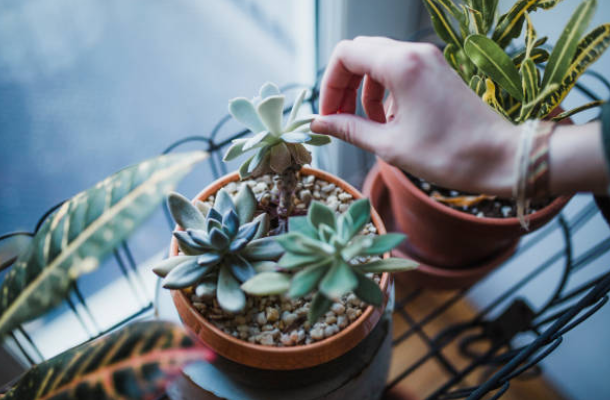
Succulents, also known as succulents, have gained increasing popularity due to their hardy nature and ability to add an exotic touch to any setting. But how to sow succulents? It’s a question that many green lovers ask themselves. Fortunately, the process of planting succulents is simpler than it may seem and, by following a step-by-step guide, even the least experienced can achieve excellent results.
Succulents are distinctive for their ability to hold water, making them perfect for anyone who doesn’t have the time or patience for frequent watering. However, the first step to growing them successfully is understanding the right planting method. In this guide, I will explain how to sow plants in the most effective way, providing you with useful advice and valuable ideas to make them grow lush and healthy. It is not just a technical process, but a real art form, which will allow you to connect with nature and enjoy the spontaneous beauty of these wonderful plants.
Preparation of the soil and choice of substrate
Before planting your succulents, it is essential to properly prepare the soil. Succulents require a well-drained substrate to avoid waterlogging which could easily cause root rot. You can buy specific soils for succulents in gardening stores, or make a mixture at home by combining universal soil with coarse sand or perlite. Make sure the substrate is dry before starting sowing.
Choose the right container
Choosing a container for planting your succulents is equally important. You can opt for a germinator, a planting tray or simply small pots. Whatever you choose, make sure the container has holes for drainage. This will allow excess water to drain freely, thus avoiding excessive humidity problems.
How to sow succulents
Once the substrate has been prepared and the container has been chosen, it is time to move on to the actual sowing. To successfully germinate succulents, follow these simple steps:
- Seed distribution: Spread the seeds gently on the substrate, trying to avoid overlapping. Succulents have very small seeds, so be careful to distribute them as evenly as possible.
- Cover the seeds: Do not cover the seeds with too much substrate. A thin covering, no thicker than a couple of millimeters, is sufficient and allows light to reach the seeds, facilitating germination.
- Watering: Use a mist to keep the substrate moist, but never soggy. The goal is to simulate dew rather than heavy rain.
Placement and care
After sowing the seeds, place the container in a warm, well-lit place, but avoid direct sunlight which may overheat the seeds. A constant temperature around 20-25 degrees Celsius is ideal for germination of succulents.
Continue to lightly mist the soil when you notice it starting to dry out, keeping the humidity constant until you notice the first signs of germination. Remember, patience is key when it comes to planting succulents. With the right environment and care, your seeds will begin to sprout within a few weeks, giving you the satisfaction of seeing beautiful succulents grow from nothing.
In the second part of the article we will delve into how to take care of newly germinated seedlings and how to transfer them into the final pots. Stay tuned for further details!
Care of newly germinated succulents
Once the seeds have begun to germinate, it is essential to care for the seedlings in the right ways to ensure healthy and robust growth. Succulents are known for their hardiness, but newly germinated seedlings can be delicate and require a little extra attention.
Nutrition and growth
Young succulent seedlings do not need fertilizer in the early stages of growth, as it may burn the delicate roots. After a few weeks, you can begin feeding a liquid fertilizer diluted to half its strength every 4 to 6 weeks. Be sure to use a fertilizer specifically for succulents or cacti, available at nurseries and specialty stores.
Light and temperature
As the seedlings grow, you will need to increase light exposure. However, gradually introduce the seedlings to direct sunlight to avoid sunburn. A good method is to expose them to the morning sun and gradually prolong the exposure depending on the reaction of the plants.
Transplant succulents
When the seedlings are robust enough, with well-developed roots and about 5 centimeters high, it’s time to transfer them to their permanent pots. This step is crucial for their further growth and health.
Choice of vase
Opt for pots with excellent drainage. Succulents benefit from a well-aerated, dry environment. You can choose from many decorative options that fit your style and desired aesthetic appearance.
Transplant method
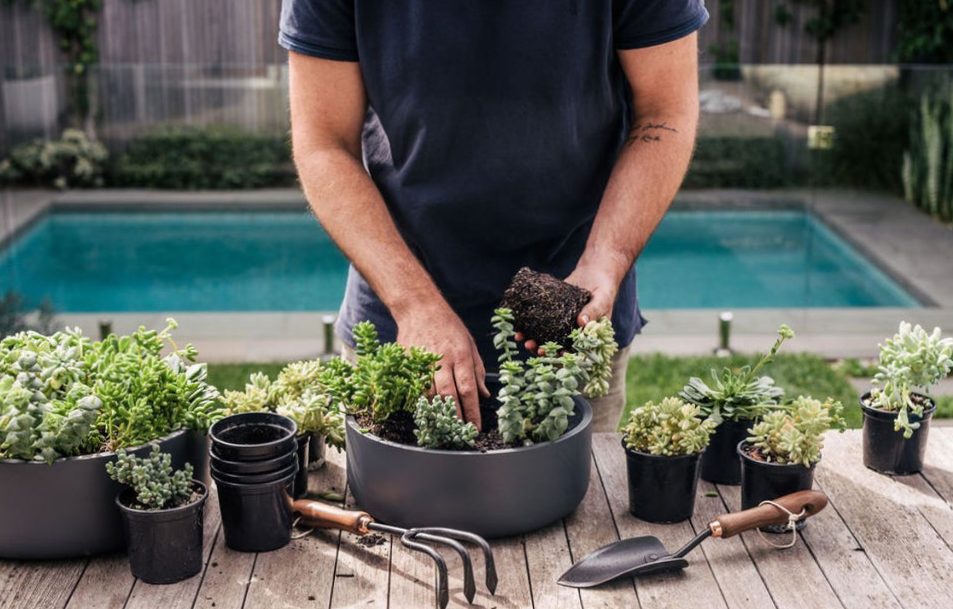
- Preparation of the vase: Fill the new pot with the substrate mix you used for planting, ensuring good drainage.
- Extract carefully: Gently remove the seedlings from the original container, avoiding damaging the roots. If you have used a germinator, this step will be easier thanks to the design that allows for easy extraction.
- Planting: Place the plant in the center of the new pot and gently cover with soil, compacting slightly. Make sure the plant collar is not covered.
- Initial watering: After transplanting, wait a few days before watering again, to allow the roots to adapt to the new environment without becoming stressed.
Long-term maintenance
Transplanted succulents will require less water than in the initial stage. On average, water the soil once every two weeks or when it is completely dry. Pay attention to seasonal changes, as many succulents go dormant during the winter and require less water and nutrition.
By following these tips on how to plant and care for succulents, you will have an exuberant and easy-to-manage indoor garden. Every little plant that manages to grow thanks to your personal care will become a small success that you can admire in your home day after day. May your green thumb thrive, and may your collection of succulents bring a touch of beauty and serenity to your life!
latest posts published

Tired of working in the garden? What can be done to reduce maintenance
How to successfully transplant a Christmas tree

Landscaping a new plot: where to start?

What grows in clay: This is what worked on Juste’s farm
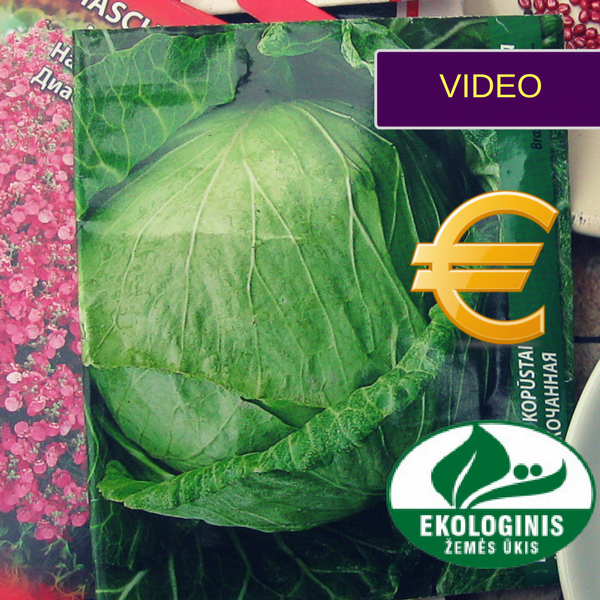
Organic seeds: are they worth paying more for?
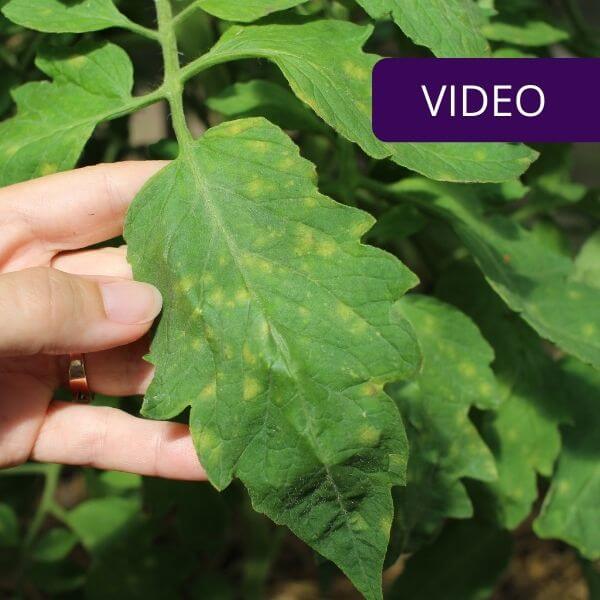
Preventive spraying of tomatoes with homemade remedies –

Environmental management: how to renovate a bored plot?
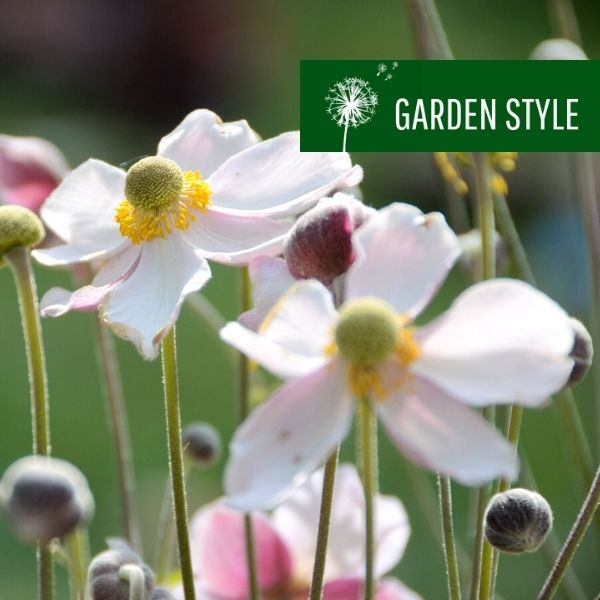
Designers answer what are the 3 best plants for the garden
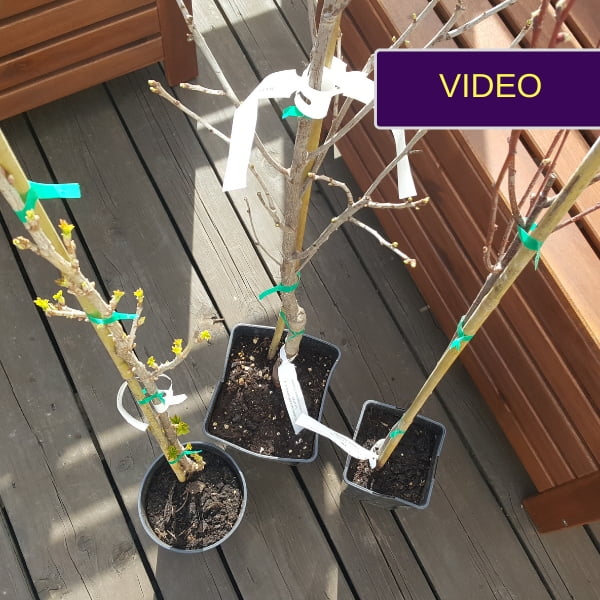
Fruit trees online: how I ordered them and how I planted them