If you have already experienced the seminar of some plant varieties you know that not everything always goes smoothly.
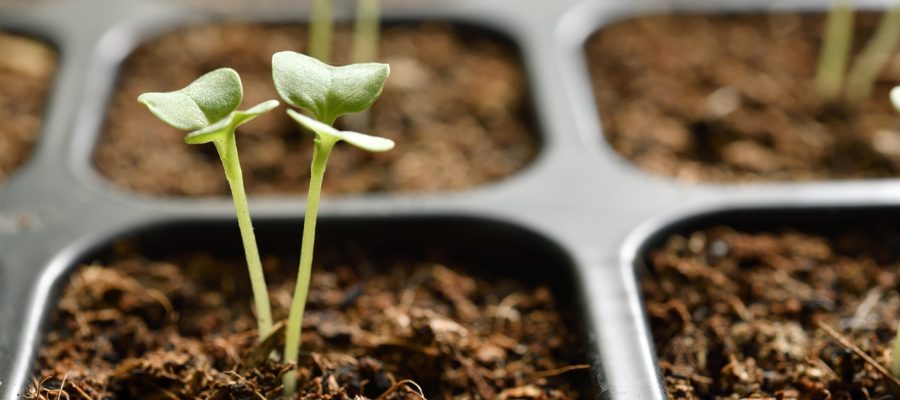
Most of the seeds For germination it requires nothing more than heat, water and an adequate cultivation base. However, there are some with a truly difficult “character”, almost as if they were determined to resist any attempt to make them germinate.
This post is dedicated to the latter: here are some useful suggestions.
The importance of the environment
Everything is fine seed has undergone an evolution that has led it to adapt to environmental conditions of its natural habitat: it will therefore germinate only if these conditions – humidity, heat and light – are simulated.
An example that follows the logic of nature is provided by the seeds of the species belonging to the tropical family palm: they must be kept moist and sown immediately after being harvestedotherwise no new plant will be able to grow.
And semi-hard
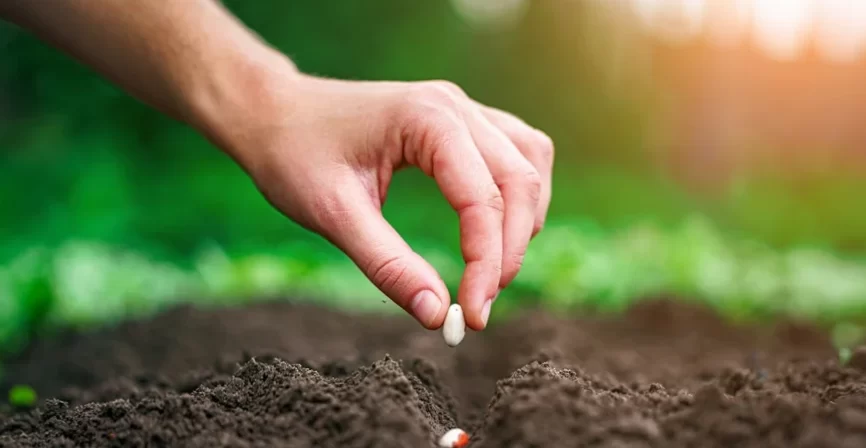
A hard, leathery seed can prevent germination simply by being impervious to water: god seeds peas (species belonging to the family Latiro), of some geraniums (Pelargonium), from the sena (Cassia) and of climbing bell (Morning Glory) can be scored and cut to allow water absorption.
The method to be adopted depends on the type of integument of the seed: you will be able to cut off the piece of seed further fromeyerub the seed lightly with sandpaper (scarification) or, for very small seeds, use a needle to make a hole.
For seeds of asparagus, cane, hibiscus And clitoria in addition to engraving technique is also usedimmersion in water.
For other seeds, for example those of broom And mimosaimmersion in water is sufficient to stimulate germination.
Pour boiling water over the seeds and leave them to soak for 24 hours, then sow them; never let them dry completely: seeds that do not swell even after immersion should be pierced with a needle and immersed again in clean water.
Early collection
If the seeds come from your own plants, you can prevent the formation of hard seed coats by harvesting them while they are still green; collect the seeds of rubrifolia rose and of wrinkled rose before the fruit changes color: remove the fleshy part surrounding the seeds and proceed immediately to sowing them.
Layers
Also known as “cold treatment“, The stratification process is suitable for those seeds – for example species belonging to genera Sarracenia, Gentian And Penstem – which need to remain in cool, humid conditions for a certain period before germinating.
Most seeds originating from cold-temperate climate areas need this period, which can be quite long.
The simplest way to get around this obstacle is to place the seeds in moist soil inside a plastic bag and then place it, hermetically sealed, in the refrigerator.
The ideal temperature is around 5°C: most seeds should be left in these conditions for 3-5 weeks.
Very small seeds are difficult to handle and (if you have space available) it is best to sow them directly into one sowing bowlcover them and put them in the refrigerator.
In general, once sown, the seeds should be grown in a warm environment, well lit by indirect light.
Particularly hard types of seeds can be stratified in horticultural sand pots, covered and placed outdoors during the winter period: some seeds require at least 2 years before germination begins, so watch out for rodents and birds!
Double and multiple retirement
There are species of seeds which present more than one of the needs seen previously: some seeds, for example, need to be scarified and then stratified in order to germinate.
This feature, known as double retirementis typical of many seeds of the family liliaceaewhich often need 3 months in hot conditions (21-30°C) followed by 3 months of cold treatment; the development of these species is particularly slow and may require a couple of growing seasons.
What must always be kept in mind is that the seeds do not germinate unless they have reached the stage state of maturation and that this state does not depend solely on their size.
Furthermore, before germination takes place, some types of seeds must be subjected to treatments in hot or cold conditions, for particular periods of time: the need to resort to these treatments is usually indicated on the sachet.
See you next week!
latest posts published
Tired of working in the garden? What can be done to reduce maintenance
How to successfully transplant a Christmas tree
Landscaping a new plot: where to start?
What grows in clay: This is what worked on Juste’s farm
Organic seeds: are they worth paying more for?
Preventive spraying of tomatoes with homemade remedies –
Environmental management: how to renovate a bored plot?
Designers answer what are the 3 best plants for the garden
Fruit trees online: how I ordered them and how I planted them