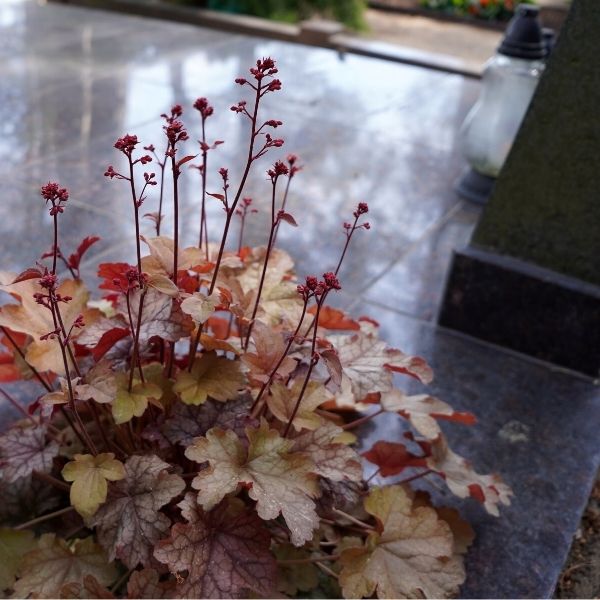
Kretinga’s flower gardens have become a scandal, at least among plant enthusiasts. The city of Kretinga’s decision to plant green spaces with perennials, somewhat reminiscent of the “Dutch wave” style, has attracted much public attention and debate. Some people support this idea and think that it is a beautiful example of how a small town manages itself according to the prevailing trends in the world. Others express reproaches and criticism for the decision to abandon the usual images: planted begonias, lollipops and serente.
Who knows what those Kretinga flower gardens look like in October? Watch this video report. I’m talking about it Alma Patamsieniathe deputy mayor of Kretinga, because it is always interesting not only the plants, but also the people behind them:
Those of you who have seen this video have probably formed an opinion about Kretinga’s greenery. Let me know in the comments below, it’s really interesting to hear. And for those who are more comfortable reading, I present our conversation with Alma here:
Lina Liubertaitė: The flower gardens in Kretinga have changed radically. How did you come up with the idea of carrying out such a radical transformation of the city’s green areas?
Alma Patamsienė: We have always wanted changes and different flower gardens that fit the city. The longevity and uniqueness of the greenery were also important. When we came up with the idea of implementing the changes, we consulted with the elders and got their approval. Then we turned to our native, landscape architect Petras Daukantas. He created these flowerbeds three years ago. His work was continued by Banguolė Verbienė.re of the city of Kretinga, designed by Petras Daukantas. author of the photo L. Lubertaitė.
Lina: What kind of reaction did you have when the flowerbeds changed?
Alma: The reaction was quite violent. As the mayor recently joked, there seemed to be no other problems in the city, because everyone’s attention seemed to be on the flower gardens. We really didn’t expect that it would be so complicated, because there have been different opinions and statements on this topic, both in the regional press and personally as a reproach. When it comes to perennial vegetables, it takes patience to wait for that result, and some have enough of it.
Maybe people just want more colors because that dreary, gray time of year has been around for a long time. Therefore, we plan to make some green corrections next spring. We have already talked about it with P. Daukantas, because we still want that clarity.
Lina: Did this decision work out financially?
Alma: It is obvious that one of the criteria for choosing such a landscape was economic benefit. Although it requires a considerable investment in the beginning, it really pays off. When you start to calculate how much 1 sq m is planted with flowers twice a year, the amount is quite impressive. In Kretinga the flower gardens occupy around 2000 square metres. m, that we did not have the opportunity to plant only annual flowers, so we looked for other alternatives.
It’s also nice that our greenery is spreading, because both the city school and the museum have asked for seedlings and we are happy to share. So it can be said that thanks to this greenery other flower gardens of similar style are created: this is a great added value.
Lina: And what will the Kretinga flower gardens look like in three years?
Alma: They are really beautiful, even in winter. I remember when last year, during the Christmas holidays in the city, snow-covered perennials took us into a magical winter fairy tale and everyone was very happy about it. It’s a shame that they are so icy, they are not always there in winter.
Flax: The greens of herbaceous perennials often have a gap in early spring when they are harvestedbut part land. Have you solved this question, are there plants that decorate in early spring?
Alma: We planted some spring plants, although we wish we had more. Last year the flower gardens in Kretinga were full of sycamores. They bloom beautifully and delight with their bright blue flowers, and then form such fluff. We planted many more this year and are now looking forward to a beautiful spring view.
latest posts published
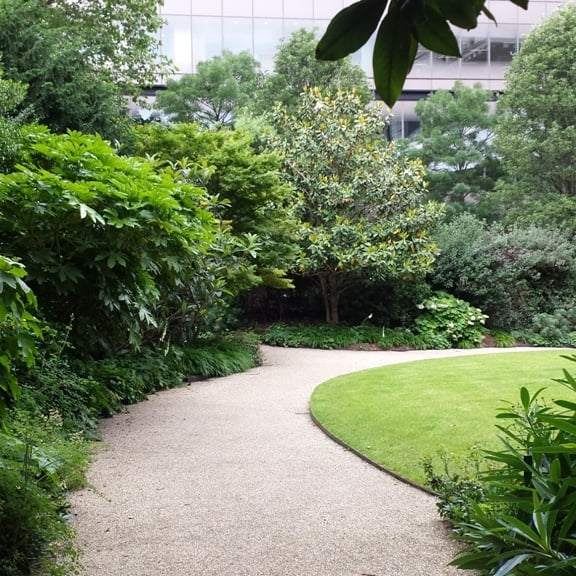
Tired of working in the garden? What can be done to reduce maintenance
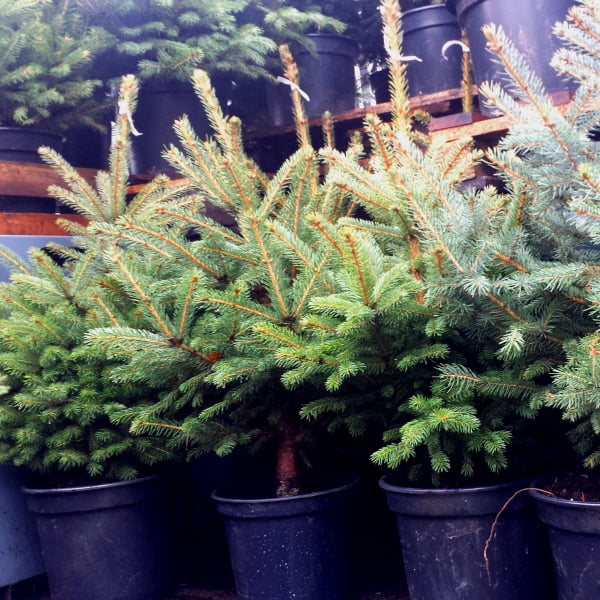
How to successfully transplant a Christmas tree
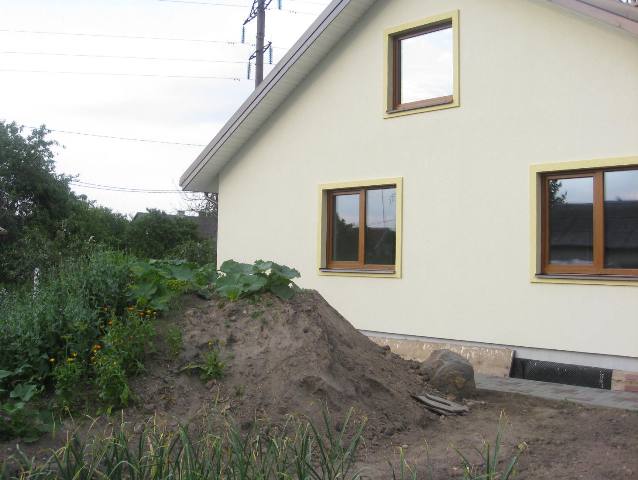
Landscaping a new plot: where to start?
What grows in clay: This is what worked on Juste’s farm

Organic seeds: are they worth paying more for?

Preventive spraying of tomatoes with homemade remedies –
Environmental management: how to renovate a bored plot?
Designers answer what are the 3 best plants for the garden
Fruit trees online: how I ordered them and how I planted them