When we remove old siding or finish a project, there is often something left behind glue on the tiles. It is stubborn, sometimes dry, difficult to remove without damaging the surface. Fortunately, there are solutions for every situation: new glue, old glue, thin layer or large package… Here is an overview of effective techniques for removing glue from tileswithout skimping on the result.
🔧 Identify the type of glue on your tiles before removing them
What glue was used: tile glue, neoprene glue, resin?
Before acting, identify yourself the nature of the glue. This determines which method to use. Tile glue (mortar type), carpet glue, PVC glue, contact adhesive (neoprene type) or resin? Everyone has their resistances.
Observe the color, texture and try scratching a small area. If the glue crumbles, it is a mineral glue (like cement). If it’s soft and rubbery, it’s probably a polymer or solvent-based glue. This distinction is essential for choosing the right product or tool.
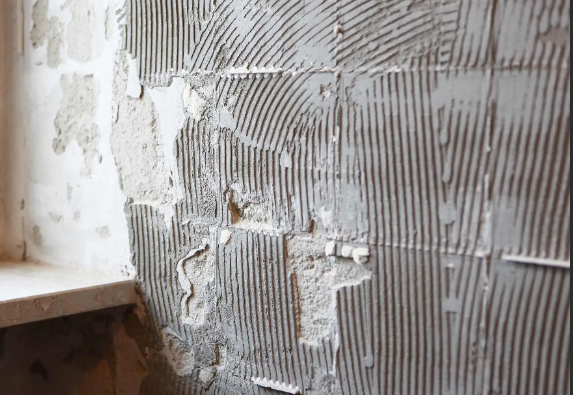
Because the type of glue changes everything in the method to be adopted
Old tile adhesive often requires gentle sanding or chiseling. Contact adhesive can be softened with heat. Modern glues, which are very adhesive, sometimes require a specific solvent.
Take the time to test a method on an inconspicuous angle before generalizing. THE tiles can be fragile, especially if shiny or porous.
🧽 Natural methods to remove glue from tiles without chemicals
White vinegar, bicarbonate of soda and heat: formidable allies
Natural solutions are sometimes surprisingly effective. THE heated white vinegar softens some organic glues. THE baking sodain thick paste, helps to detach without damaging the surface.
Another tip: place a cloth soaked in hot water on the glue for 15 minutes. This helps loosen the residue before gently scraping with a plastic spatula. Avoid: cutter or metal blade, except for very hard tiles.
Scraping without scratching: effective manual tools and actions to take
Use a flexible spatulaa ceramic blade scraper or a ceramic hob scraper. Work in small circular motions. You can also sand lightly with a non-abrasive sanding sponge.
Tip: Test on a corner first. Some old tiles are more fragile than expected.
🧪 Use a chemical to dissolve the tile glue
Which solvent to choose depending on the type of glue
If gentle methods are not enough, specific solvents can make a difference. We find in trade adhesive solvents OR solvents for construction site adhesives. They are generally based on strong solvents.
Apply the product with a cloth or squeegee, leave as directed (often 10 to 30 minutes), then scrape. Remember to ventilate the room well.
Precautions for use to avoid damaging your tiles
Some chemical detergents can damage the grout or dull the tiles. Wear gloves and never use these products on unglazed tiles without testing them first.
Avoid any product containing hydrochloric acid. Choose citrus-based solvents or delicate solvents, which are more respectful of surfaces.
🧰Removing old or resistant glue: radical but safe solutions
The heat gun: an effective method but one to be handled with care
When glue has been stuck for years, you need to pull out your arsenal. A heat guncalibrated between 150° and 200°C, it softens rigid glues. Go through it slowly while scraping off the glue as you go.
Be careful not to heat the joints or surrounding plastic areas. Always keep the gun at a distance (about 20 cm).
Spot sanding: When the adhesive doesn’t really come off
As a last resort, a local smoothing with an orbital sander or a diamond bit for Dremel it can work. Work dry to avoid spreading the glue. Use this technique only if you are sure of the strength of your tiles.
Then rinse the area well with warm water and a soft cloth.
🛡️ Protect your tiles by removing the glue
Craftsman tips to avoid scratches and premature wear
Before working, clean the tiles with a dry cloth to remove dust. Cover fragile or already cleaned areas with plastic film or protective blanket.
Avoid stepping on or spreading the glue. Always work from the center towards the edges.
Post-intervention cleaning: for an impeccable surface
Once the glue is removed, move on mild tile cleaner. Then rinse thoroughly with clean water. To restore shine, a mixture of hot water and white vinegar is ideal.
Always dry the tiles with a microfibre cloth to avoid streaks.
⚠️ Mistakes to avoid and practical advice for flawless tiling
What you should never do to remove glue from tiles
Never start scrape dry with a metal tool without testing. This can scratch or even break a tile. Same rule with aggressive chemicals. The exception is obviously the method we saw above with the grinder, sometimes we have no choice!
Never mix products again without knowing their interactions. And above all: don’t force it if an area resists. It’s better to come back later with another method.
Professional tips to save time and avoid damage
- Always work on small areas
- Test each product on a scrap or corner
- Use clean, non-abrasive tools
- Bring gloves, protective glasses and good ventilation
With these tips, your the tiles will regain all their cleanlinesswithout a trace is rayure.
latest posts published
Tired of working in the garden? What can be done to reduce maintenance
How to successfully transplant a Christmas tree
Landscaping a new plot: where to start?

What grows in clay: This is what worked on Juste’s farm
Organic seeds: are they worth paying more for?
Preventive spraying of tomatoes with homemade remedies –
Environmental management: how to renovate a bored plot?

Designers answer what are the 3 best plants for the garden
Fruit trees online: how I ordered them and how I planted them