Painting a placo wall or ceiling is a crucial step in your renovation work. Many wonder how many coats of paint are actually necessary to achieve a uniform and durable finish. In reality it all depends on the preparation, the type of paint and the application conditions. Let’s take a look at the best practices for successfully creating your Placoplâtre walls without unpleasant surprises.
🧱Prepare the surface before applying the paint
A rough placo wall absorbs a lot. If you apply a coat of paint directly the result will be opaque and non-uniform. This is why preparation is key. It guarantees the adhesion, longevity and aesthetics of the future coating.
The preparation involves several phases: fill the joints and imperfections with a putty, sand lightly to smooth, then dust carefully. This healthy foundation is essential before thinking about painting the placo. A poorly prepared wall leads to the need to unnecessarily multiply layers of paint.
🎨 Should an undercoat be applied to the placo?
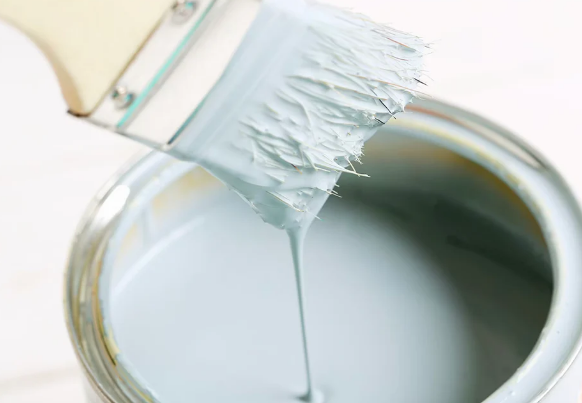
Yes, the underlay is almost mandatory on Placoplâtre. Without it, the paint penetrates the support, creating stains and a “buffered” effect. This first step helps to even out the absorption of the plaster and reveals a surface ready to receive the finishing layers.
Not all substrates are the same. Favor A special placo underlay : blocks the base and facilitates the application of subsequent layers. It’s a small investment, but it saves you from wasting several gallons of decorative paint.
🖌️How many coats of paint on the plate?
In practice it is necessary two coats of paint after the undercoat. The first covers the background and hides the areas that are still visible, the second guarantees color depth and uniformity. In some cases (dark colour, very stressed wall) a third coat may be useful.
Don’t neglect drying time: wait at least 6-8 hours between two coats of acrylic paint, sometimes 24 hours for glycerin. Too short a drying time causes streaks and poor adhesion of the second coat.
🧴What type of paint should you choose to paint the placo?
The choice of product is as decisive as the number of layers. Water-based acrylic paint remains the most widespread: it dries quickly, has little odor and is easy to apply. It is ideal for painting placo walls or ceilings in dry environments.
Glycer, more resistant, remains interesting in humid environments such as the bathroom or kitchen. Finally, some natural or bio-based paints are attractive due to their low ecological impact. The important thing is to adapt your choice to the use of the room and the support.
🪄Application techniques for a uniform finish
Even with a good paint and the right number of coats, it will all depend on how you apply it. For large surfaces choose a suitable roller (medium bristles for walls, short bristles for smooth ceilings). Brushes will be used for corners and finishes.
Work by crisscrossing the passes: first vertically, then horizontally, and finish with a light smoothing in the same direction. This avoids excessive thickness and visible marks once the paint has dried. A regular and unhurried gesture is your best ally.
⚠️ Common defects: how to avoid or correct them
Air bubbles often appear when you press the roller too hard or if the surface is still dusty. Traces of recovery come from a lack of paint or drying too quickly. To avoid this, load the roller correctly and work on surfaces of approximately 1 m².
If, despite the precautions, a wall has defects, don’t panic: light dry sanding followed by a new coat is often sufficient to correct. Remember that a well-prepared wall and two properly applied coats of finish already provide a finish worthy of a professional painter.
In summary, painting the placo requires rigor and method, but nothing insurmountable. With a suitable primer, two coats of paint and a little patience, your walls will reveal all their beauty. Careful work from the beginning avoids rework and guarantees a bright and homogeneous interior.
latest posts published
Tired of working in the garden? What can be done to reduce maintenance
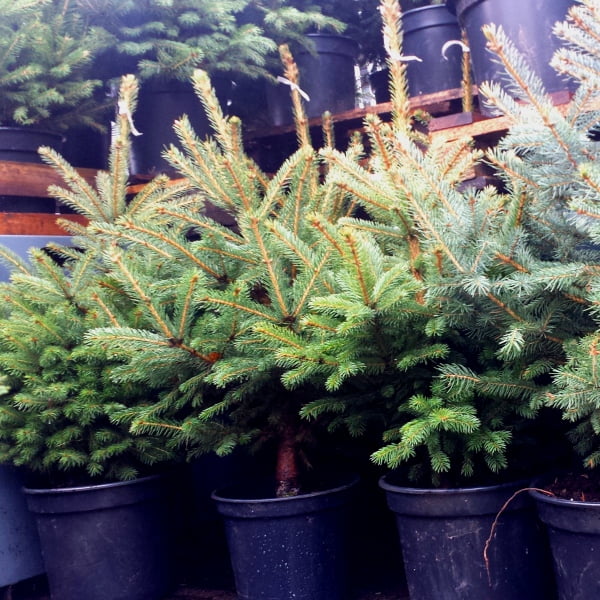
How to successfully transplant a Christmas tree
Landscaping a new plot: where to start?

What grows in clay: This is what worked on Juste’s farm

Organic seeds: are they worth paying more for?

Preventive spraying of tomatoes with homemade remedies –
Environmental management: how to renovate a bored plot?

Designers answer what are the 3 best plants for the garden
Fruit trees online: how I ordered them and how I planted them