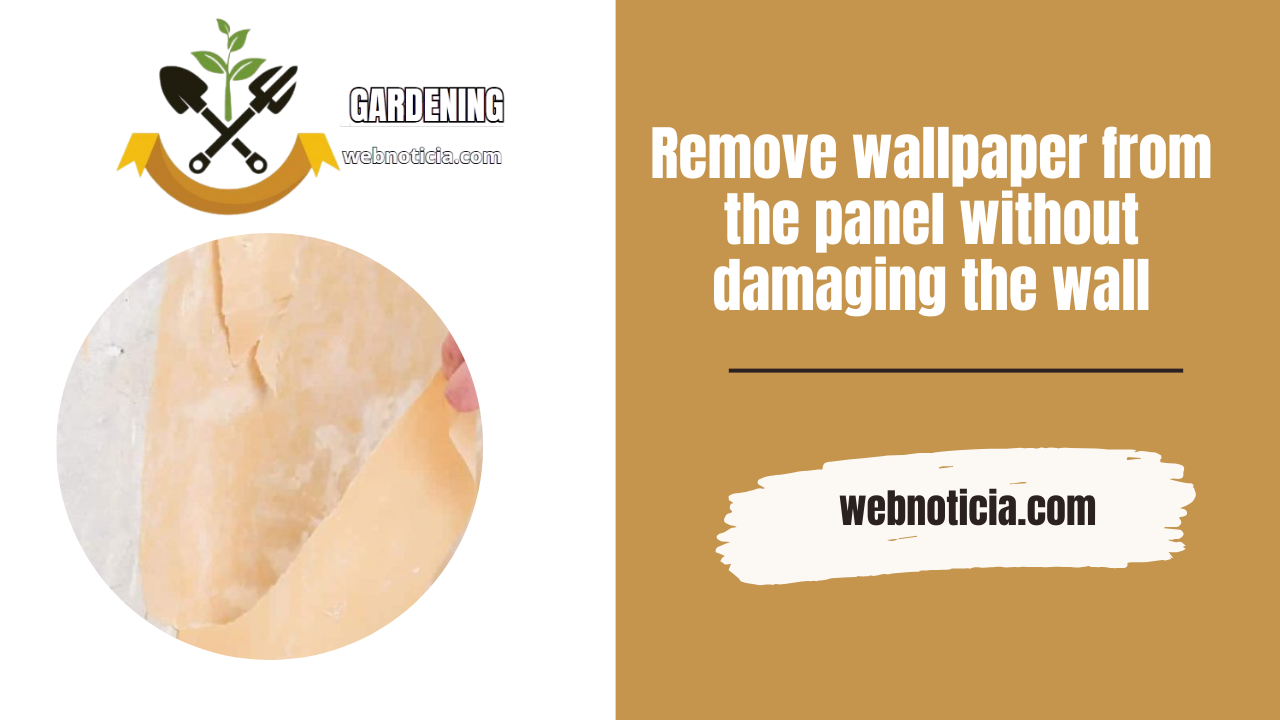
🧱 Prepare the wall before removing the wallpaper from the plate (BA13)
Before you even get out your tools, get started make your construction site safe. Protect the floor with plastic sheets or old sheets, and turn off the electricity if there are sockets or switches on the wall to be treated. Disassemble them if possible to avoid moisture infiltration, but above all to be able to put the paper back behind the socket cover.
Then take a moment to identify the type of wallpaper. Is it laminate? Non-woven? Ancient ? Waterproof vinyl paper will require pre-punching, while conventional paper will absorb water more easily. As for the placo, if it is not previously painted or coated, it will be more vulnerable to humidity.
🛠 What tools to correctly remove wallpaper from placo?
For a smooth takeoff, here’s the ideal together :
- A wide and flexible spatula
- A sprayer (garden type)
- A sponge or cloth
- A precision cutter
- Protective gloves
- A steam paint remover for stubborn surfaces
On the product side, chemical strippers such as Dissolute work wonders on well-glued wallpaper. Otherwise, mix hot water with a little white vinegar or dish soap for an effective and economical home version.
💦 Effective methods to remove wallpaper from placo
The gentle method remains hot water. Spray generously on the wall, paying particular attention to the joints. Leave on for 5 to 10 minutes, then gently remove with the spatula, starting from the bottom. Never get the plate too wetespecially if not protected by paint.
For durable papers, opt for a steam thermal pickler. It allows you to soften the glue without flooding the wall. Work in areas of 50 cm² and avoid prolonged back and forth movements which could cause bubbles to form on the plaster.
⚠️ Essential precautions to avoid damaging the plate
The main mistake? Wanting to go too fast. Scratching too hard or too deeply can cut placo cardboard. Always use a soft spatula and keep a low angle, almost parallel to the wall.
Be careful with water too: too much can deform the plates or weaken them. Work gradually, area by area, absorbing excess water. Good ventilation also helps to avoid prolonged infiltration.
🔧 What to do if the aircraft is damaged after takeoff?
If, despite your precautions, the wall has suffered, don’t panic. For repair the damaged plateget some filler. Fill any holes or tears, then sand lightly once dry.
Before any new decoration, think about it apply a special Placo undercoat. Normalizes absorption and prevents paint or new paper from reacting badly. A well-prepared wall is the key to a lasting result.
🕒 Tips for a quick and stress-free take-off
To save time without rushing, work in vertical stripes of about 50 cm. This allows for better control of wetting and delamination. Always keep a cloth handy to remove excess water.
Finally, pay attention to the classic traps: start without testing a methodor forget to ventilate the room while working. With a little patience, the right tools and the right method, you can do it wallpaper peeling from the placo without stress or damage.
latest posts published
Painting wooden skirting boards: simple and effective steps
Home: how to reduce energy consumption?
Remove wallpaper from the panel without damaging the wall
Can we leave a concrete block wall unclad? Complete guide
Lost Attic Insulation: Reduce Your Heating Bill
Damp wall: effective solutions to clean it quickly

30 ideas for furnishing the dining room buffet with style
👉 Painting: how long between two coats?
Internal ceiling insulation: complete guide and help